15 Foods You Should Freeze to Save Money, Reduce Waste, and Stay Prepared
Freezing food is one of the simplest and smartest ways to extend freshness, cut grocery costs, and always have ingredients ready when you need them. Many people only freeze meat, but the freezer can preserve far more foods than you might think—without sacrificing quality or nutrition when done correctly.
Below are 15 foods you should absolutely freeze, along with tips on how to do it the right way.
1. Bread and Baked Goods
Bread often goes stale or moldy before it’s finished. Freezing keeps it fresh for months.
Best items to freeze:
- Sliced bread
- Rolls and buns
- Muffins and cakes
Tip: Slice before freezing so you can thaw only what you need.
2. Milk
Yes, milk freezes well—especially if you use it for cooking or baking.
How:
- Pour a little out first to allow for expansion
- Freeze in the original container or smaller portions
Note: Texture may change slightly, but shaking after thawing helps.
3. Cheese
Hard and semi-hard cheeses freeze beautifully.
Best cheeses:
- Cheddar
- Mozzarella
- Swiss
Avoid freezing: Soft cheeses like cream cheese or ricotta unless for cooking.
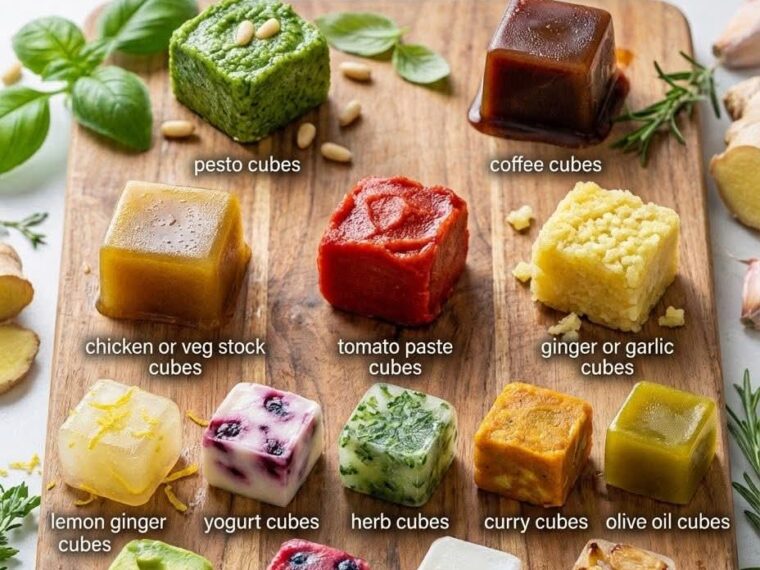
4. Fresh Herbs
Freezing herbs preserves flavor far better than drying.
Best method:
- Chop herbs
- Place in ice cube trays
- Cover with olive oil or water
Perfect for soups, sauces, and stews.
5. Fruits
Frozen fruit is ideal for smoothies, baking, and desserts.
Best fruits to freeze:
- Berries
- Bananas (peeled)
- Mangoes
- Pineapple
Tip: Freeze in a single layer first, then transfer to bags.
6. Vegetables
Freezing vegetables prevents waste and saves prep time.
Best veggies to freeze:
- Broccoli
- Carrots
- Peas
- Green beans
Important: Blanch vegetables briefly before freezing to preserve color and nutrients.
7. Cooked Rice
Cooked rice freezes surprisingly well and reheats easily.
How:
- Cool completely
- Freeze in portion-sized containers
Perfect for quick meals.
8. Cooked Pasta
Great for busy days when you need fast food at home.
Tip: Toss lightly with oil before freezing to prevent sticking.
9. Eggs (Without Shells)
Never freeze eggs in their shells—they will crack.
How:
- Crack eggs into a bowl
- Beat lightly
- Freeze in portions
Ideal for baking and scrambled eggs.
10. Meat and Poultry
Freezing meat is common, but proper storage matters.
Tips:
- Remove excess air
- Label with dates
- Freeze as soon as possible
Raw and cooked meats both freeze well.
11. Fish and Seafood
Freezing keeps fish fresh and safe longer.
Best practice:
- Wrap tightly
- Freeze immediately after purchase
Use within 2–3 months for best quality.
12. Butter
Butter freezes extremely well without quality loss.
How:
- Freeze in original packaging
- Use directly from frozen for cooking
13. Soups and Stews
Homemade soups are perfect freezer meals.
Tip:
- Cool fully before freezing
- Leave space for expansion
Avoid freezing soups with cream unless added after reheating.
14. Nuts
Freezing nuts prevents them from going rancid.
Best nuts to freeze:
- Almonds
- Walnuts
- Pecans
Great for baking and snacking.
15. Leftover Tomato Paste
Never waste half-used tomato paste again.
How:
- Spoon into small portions
- Freeze on a tray or in ice cube molds
Grab exactly what you need later.
Freezing Tips for Best Results
- Use airtight containers or freezer bags
- Label everything with dates
- Avoid refreezing thawed foods unless cooked
- Keep freezer temperature at 0°F / −18°C
Final Thoughts
Your freezer is more powerful than you think. By freezing the right foods, you reduce waste, save money, and make daily cooking easier. With proper storage, frozen food can be just as nutritious and delicious as fresh.
A well-organized freezer is a smart kitchen secret every home should use.