🍯💜
The Mystery of Violet Honey: When Beekeepers Expect Gold and Find Purple
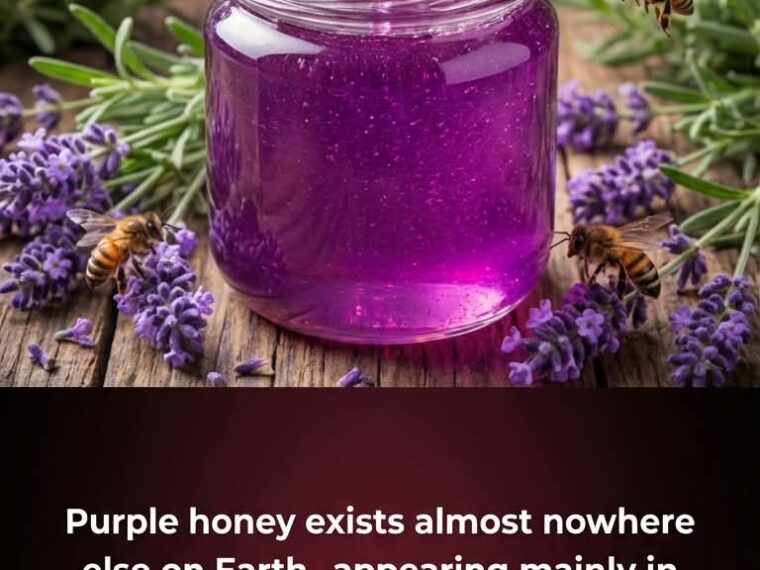
Beekeepers are used to surprises. Weather changes, shifting blooms, and unpredictable yields are all part of the craft. But nothing prepares them for the moment they open a hive expecting liquid gold — and instead find honey the color of violet, amethyst, or deep purple.
It doesn’t happen every year.
It doesn’t happen everywhere.
And when it does, no two jars are quite the same.
This phenomenon, often called violet honey or purple honey, remains one of beekeeping’s most fascinating mysteries.
A Rare and Unpredictable Discovery
Purple honey has been reported sporadically in parts of:
- France
- Germany
- Italy
- Eastern Europe
- The southeastern United States
Some years, a region may produce several jars. Other years, none at all. Entire apiaries may go untouched while a single hive turns violet.
For beekeepers, it’s a moment of disbelief — a reminder that nature still keeps secrets.
What Makes Honey Turn Violet?
No Single Proven Cause
Despite years of observation, no definitive explanation exists. Scientists and beekeepers alike have proposed theories, but none fully explain the phenomenon’s rarity and inconsistency.
Each jar appears to be the result of a perfect storm of conditions.
Leading Theories Behind Violet Honey
1. Nectar from Rare or Unusual Plants 🌸
One popular theory suggests bees collect nectar from plants rich in anthocyanins, the pigments responsible for purple, blue, and red colors in nature.
Possible contributors include:
- Certain wildflowers
- Forest plants
- Berries or fruit blossoms
- Alpine or mountain flora
However, many areas producing violet honey lack a single dominant purple-flowering plant, leaving questions unanswered.
2. Honeydew Instead of Nectar 🌲
In some cases, bees produce honey not from flower nectar, but from honeydew — a sugary substance secreted by insects like aphids feeding on trees.
Honeydew honey is:
- Darker in color
- Rich in minerals
- More complex in flavor
Some researchers believe violet hues may result from chemical interactions within honeydew sugars, influenced by local flora and climate.
3. Soil and Mineral Influence 🪨
Trace minerals in soil may indirectly affect nectar composition. When absorbed by plants, these minerals could influence the pigments or compounds bees collect — subtly changing honey’s color.
4. Microbial or Enzymatic Reactions 🧬
Another hypothesis suggests that enzymes within the hive, combined with specific sugars and environmental conditions, trigger a natural chemical reaction after the honey is stored.
Temperature, humidity, and hive microbiome may all play a role.
Why It Doesn’t Happen Every Year
Violet honey depends on variables that rarely align:
- Precise flowering times
- Specific weather patterns
- Local insect activity
- Soil conditions
- Hive health and microbiology
If even one factor changes, the color disappears — returning the honey to familiar shades of amber and gold.
What Does Violet Honey Taste Like?
Those lucky enough to try it describe flavors as:
- Mild and floral
- Slightly fruity or berry-like
- Less sweet than typical honey
- Smooth, with earthy undertones
Despite its unusual color, violet honey is completely natural and safe to eat.
Is Violet Honey Valuable?
Because of its rarity, violet honey:
- Is highly sought after by collectors
- Often sells at premium prices
- Is usually produced in very small quantities
Many beekeepers keep their jars rather than sell them — a once-in-a-lifetime harvest.
Nature’s Reminder of Mystery
In an age of analysis and certainty, violet honey stands as a quiet rebellion against full explanation. No lab can reliably reproduce it. No calendar can predict it.
Each jar is as rare as the conditions that created it — a reminder that even in well-studied crafts like beekeeping, wonder still exists.
Beekeepers open their hives expecting gold.
Sometimes, just sometimes, they find violet.
💜🍯