Boiling Water the Wrong Way 🚰
Three Common Habits That May Harm Family Health
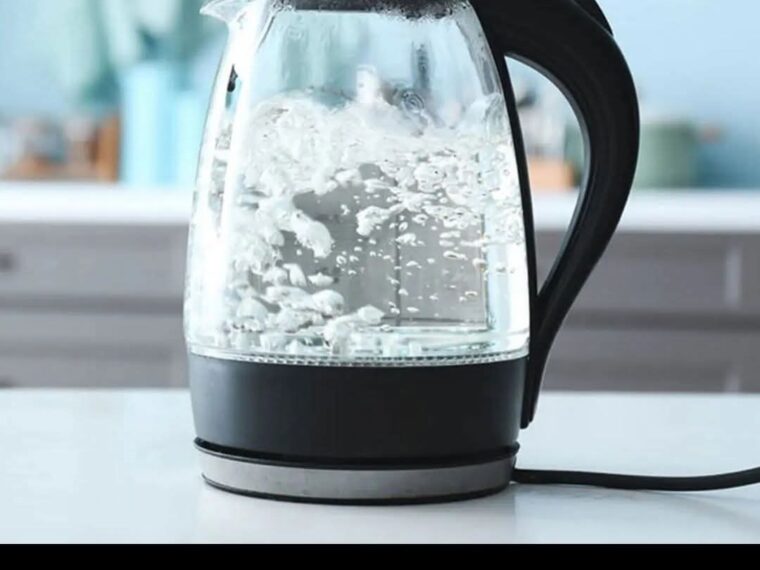
Boiling water seems like one of the simplest kitchen tasks—but how you boil water matters more than most people realize. While boiling is meant to make water safer, certain everyday habits can reduce its benefits or even introduce new health risks.
Understanding these common mistakes can help protect your family’s health and ensure the water you drink and cook with is truly safe.
🔥 Why Boiling Water Matters
Boiling water is commonly used to:
- Kill harmful bacteria and pathogens
- Make questionable water sources safer
- Prepare beverages and meals
However, boiling alone doesn’t automatically make water perfect—technique and equipment matter.
1️⃣ Re-Boiling the Same Water Repeatedly
One of the most common habits is boiling the same water over and over, especially in kettles.
Why this can be a problem:
- Repeated boiling reduces oxygen content
- Dissolved minerals become more concentrated
- Certain contaminants (like nitrates or heavy metals, if present) do not evaporate
Over time, this can affect taste and potentially increase exposure to unwanted substances.
Better practice:
- Use fresh water each time you boil
- Empty kettles daily
- Rinse kettles regularly to prevent buildup
2️⃣ Using Old or Damaged Plastic Containers
Some people boil water in plastic kettles, containers, or reuse plastic bottles for hot water.
Why this may harm health:
- Heat can cause plastics to release chemicals
- Repeated heating increases leaching risk
- Older or scratched plastics degrade faster
Even “heat-resistant” plastics can break down over time.
Better practice:
- Use stainless steel, glass, or ceramic kettles
- Avoid pouring boiling water into plastic bottles
- Replace worn kitchen equipment
3️⃣ Boiling Water Isn’t Enough for All Contaminants
Boiling kills bacteria and viruses—but it does not remove everything.
Boiling does NOT remove:
- Heavy metals (lead, arsenic)
- Chemical pollutants
- Pesticides
- Microplastics
Relying only on boiling may create a false sense of security if water quality is poor.
Better practice:
- Use filtered water before boiling
- Test household water if quality is uncertain
- Combine boiling with proper filtration when needed
🫖 Extra Tip: Don’t Over-Boil
Letting water boil aggressively for long periods:
- Wastes energy
- Concentrates minerals
- Alters taste
Once water reaches a rolling boil for 1–3 minutes, it’s sufficient for most safety needs.
🧼 Keep Your Boiling Equipment Clean
Mineral buildup and residue can:
- Affect water taste
- Harbor bacteria over time
- Reduce kettle efficiency
Clean kettles regularly using:
- Vinegar and water
- Lemon slices
- Mild descaling methods
👨👩👧👦 Why This Matters for Family Health
Children, elderly family members, and those with weakened immunity are more sensitive to:
- Water contaminants
- Chemical exposure
- Mineral imbalance
Simple boiling habits—done correctly—help ensure safe hydration and food preparation for everyone.
🌟 Final Thoughts
Boiling water is meant to protect health—but doing it the wrong way can reduce its benefits. By avoiding re-boiling, choosing safe materials, and understanding boiling’s limits, families can make smarter, healthier choices every day.
Sometimes it’s not about doing more—it’s about doing simple things the right way.