Is This Meat Still Good?
What to Know When Thawing Meat That’s Been Frozen for Almost Two Years
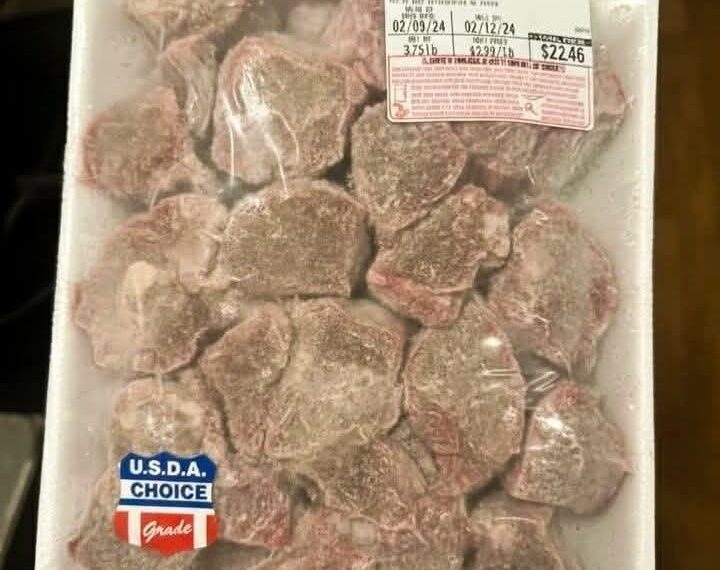
You pull a package of meat from the freezer, planning a comforting stew. Then you notice the date. Almost two years frozen. Worse, the packaging looks compromised. Now comes the big question:
Is this meat still safe to eat—or should it go straight to the trash?
Let’s walk through the facts calmly, safely, and honestly.
First: Does Frozen Meat Ever “Expire”?
Technically, frozen meat doesn’t spoil in the freezer if it stays continuously frozen at 0°F / -18°C or below.
However, there’s an important distinction:
- Safety → depends on temperature and contamination
- Quality → declines over time
A freezer preserves food, but it does not stop oxidation, dehydration, or freezer burn, especially if packaging fails.
How Long Is Meat “Good” in the Freezer?
According to food safety guidelines:
- Whole cuts of beef or pork: 12 months (best quality)
- Stew meat / cuts: 8–12 months
- After that: usually safe, but quality drops sharply
👉 Two years is well past the quality window, especially if the seal was broken.
Why Compromised Packaging Matters
This is the biggest red flag.
If packaging was damaged:
- Air entered → oxidation
- Moisture escaped → freezer burn
- Odors from other foods may have been absorbed
- Surface bacteria can survive freezing
Freezing does not kill bacteria — it only puts them to sleep.
Once thawed, bacteria can wake up and multiply.
The Smell Test: Helpful, but Not Enough
Many people rely on “wait and smell it.”
That’s useful — but incomplete.
During thawing, discard immediately if you notice:
- Sour, rotten, or sulfur-like odor
- Strong ammonia smell
- Sticky or slimy surface
- Gray-green or iridescent discoloration
⚠️ Important:
Some dangerous bacteria do not cause bad smells.
So “no smell” does NOT guarantee safety.
Visual Signs That Mean “Do Not Eat”
Throw it away if you see:
- Thick frost inside the package (long-term air exposure)
- Dry, grayish-white patches (severe freezer burn)
- Liquid pooling with an odd color
- Mold (rare, but an instant no)
Freezer-burned meat isn’t dangerous by itself, but when combined with damaged packaging + extreme age, risk increases.
What About Cooking It in a Stew?
Long cooking does kill bacteria — but it does not neutralize toxins that bacteria may have produced if the meat degraded before or during thawing.
Stews are forgiving for tough or dry meat.
They are not a safety reset button.
The Safest Recommendation (Honest Answer)
Given that:
- The meat has been frozen almost two years
- The packaging was compromised
- You’re unsure how long the seal was broken
👉 The safest choice is to discard it.
It’s frustrating. It feels wasteful. But food poisoning costs far more than replacing one cut of meat.
If You Decide to Assess It Anyway (Use Extreme Caution)
Only proceed if ALL of the following are true:
- Thawed in the refrigerator (never room temp)
- No off-odors
- No slime
- No discoloration beyond mild freezer burn
- Meat was kept consistently frozen the entire time
Even then, understand you are accepting some risk.
How to Prevent This in the Future
- Double-wrap meat (plastic + freezer bag)
- Vacuum seal when possible
- Label with date + cut
- Store away from freezer walls and floor
- Use within 12 months for best safety and flavor
Final Word
When it comes to meat that’s:
- Very old
- Poorly sealed
- Questionable on thawing
Your nose helps — but time and packaging matter more.
When in doubt, throw it out.
Your stew should bring comfort, not consequences.