
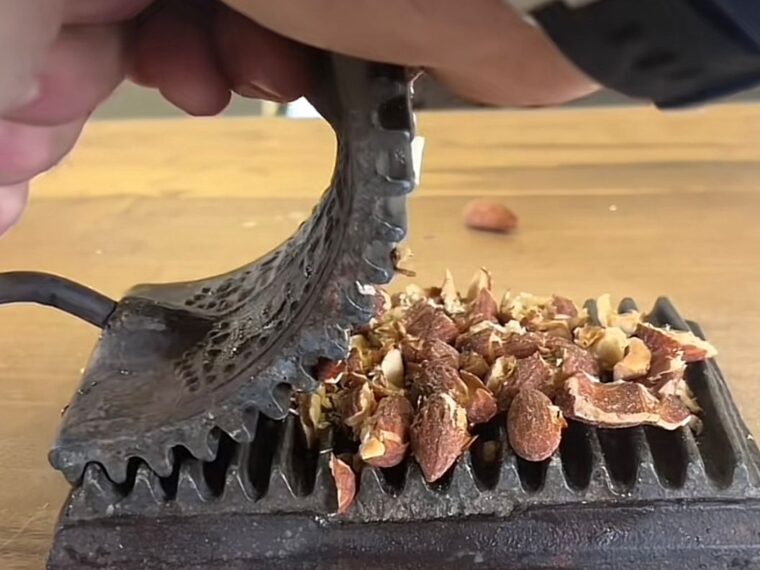
The Old Almond Cracking Machine: A Forgotten Tool of Simpler Times
Before modern food processors and industrial nut shellers took over, almonds were cracked by hand using sturdy, mechanical devices designed for efficiency and durability. One such invention—the old almond cracking machine—was once a common sight in farms, village markets, and family kitchens.
Though largely replaced today by automated systems, these vintage machines tell a story of ingenuity, craftsmanship, and a time when tools were built to last for generations.
A Glimpse Into the Past
In the late 19th and early 20th centuries, almonds were an important staple crop in many Mediterranean and Middle Eastern regions, as well as in parts of Europe and California. Families harvested almonds in large quantities and needed a practical way to crack the hard shells without damaging the delicate nut inside.
This need gave rise to hand-operated almond cracking machines, often made from cast iron, steel, and wood. They were designed to withstand years of heavy use and were typically bolted to a table, bench, or wooden block for stability.
Many households passed these machines down through generations, making them as much a family heirloom as a kitchen tool.
How the Old Almond Cracking Machine Worked
The design was simple but highly effective.
Main Components
- Cast Iron Frame
The heavy base and frame provided stability and strength. - Cracking Chamber
A small adjustable opening held the almond in place. - Pressure Lever or Hand Crank
Turning the crank or pulling the lever applied controlled pressure to crack the shell. - Adjustment Screw or Dial
This allowed users to change the pressure depending on almond size and shell thickness.
The Cracking Process
- An almond was placed into the cracking chamber.
- The user turned the crank or pulled the lever.
- The machine applied gradual pressure.
- The shell split cleanly, leaving the kernel intact.
- The cracked shell and nut fell into a collection tray or bowl.
Unlike smashing almonds with stones or hammers, this machine minimized waste and reduced broken kernels.
Why These Machines Were So Valued
1. Efficiency
Cracking almonds by hand was slow and tiring. These machines allowed families to process large batches quickly.
2. Precision
The adjustable pressure meant fewer crushed nuts and more whole kernels.
3. Durability
Made from thick cast iron and steel, many of these machines are still functional today, over a century later.
4. Versatility
Some models could also crack walnuts, hazelnuts, and pecans.
A Symbol of Rural Craftsmanship
Old almond cracking machines were not mass-produced in plastic molds like today’s appliances. Many were crafted by local blacksmiths or small manufacturers who took pride in their workmanship.
Each machine had subtle differences in shape, handle design, and adjustment mechanisms. Some were decorated with engraved brand names or ornate ironwork, making them both practical and beautiful.
Why They Disappeared
As technology advanced, electric nut shellers and industrial cracking machines became more common. These modern devices offered:
- Faster processing
- Less manual effort
- Higher output for commercial use
As a result, the old hand-cranked machines were gradually pushed aside, ending up in barns, storage rooms, or antique shops.
A Revival of Interest
In recent years, vintage kitchen tools and farm equipment have gained renewed popularity. Collectors, homesteaders, and traditional food enthusiasts are rediscovering the charm of old almond cracking machines.
People value them for:
- Their nostalgic appeal
- Their sturdy construction
- Their eco-friendly, electricity-free operation
- Their ability to connect users with traditional food practices
Some small manufacturers have even started producing modern replicas inspired by these classic designs.
Caring for an Old Almond Cracking Machine
If you’re lucky enough to own one of these vintage tools, proper care can keep it working for decades more.
- Clean after each use to remove shell fragments and dust
- Wipe with a dry or lightly oiled cloth to prevent rust
- Store in a dry place
- Occasionally tighten bolts and lubricate moving parts
Final Thoughts
The old almond cracking machine is more than just a forgotten kitchen tool—it’s a reminder of a time when everyday objects were built to be simple, reliable, and long-lasting.
Though modern machines may be faster, they lack the charm, durability, and quiet satisfaction of turning a hand crank and watching almonds crack open perfectly.
For collectors, homesteaders, or anyone who appreciates traditional craftsmanship, these vintage machines remain a fascinating piece of culinary and agricultural history.