What Is Freezer Burn, How Does It Happen, and Can You Avoid It?
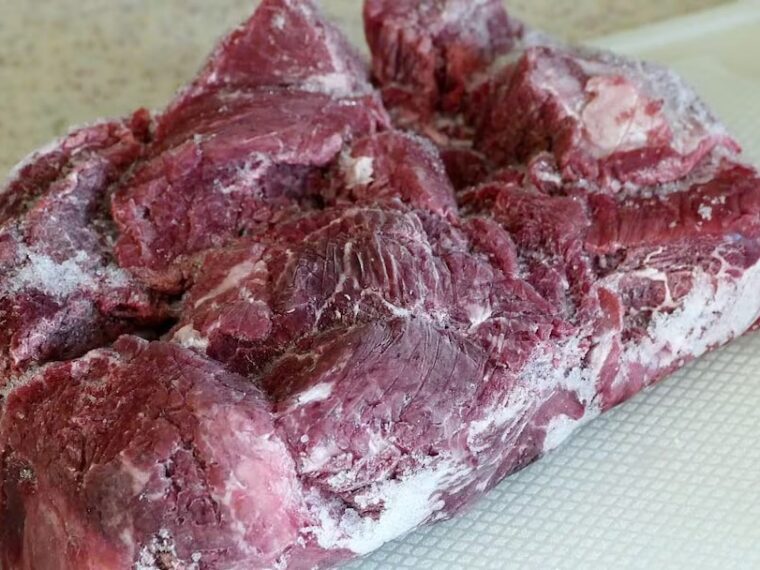
Freezing food is one of the best ways to preserve freshness, reduce waste, and save money. But if you’ve ever pulled a package of meat or vegetables from the freezer only to find dry, grayish patches or strange icy crystals, you’ve encountered freezer burn.
Freezer burn doesn’t mean food is unsafe to eat—but it can seriously affect texture, flavor, and quality. Understanding what freezer burn is, how it happens, and how to prevent it can help you keep frozen foods tasting fresh for months.
What Is Freezer Burn?
Freezer burn is a type of dehydration and oxidation that happens when frozen food is exposed to air.
When food isn’t properly sealed:
- Moisture evaporates from the surface of the food
- Ice crystals form and then sublimate (turn directly from ice to vapor)
- Oxygen reacts with fats and pigments
This process causes:
- Dry, leathery, or tough spots
- Grayish or whitish patches
- Off flavors or stale smells
Freezer burn doesn’t make food unsafe, but it does reduce its quality and enjoyment.
How Does Freezer Burn Happen?
Freezer burn occurs due to air exposure, temperature fluctuations, and poor packaging.
1. Air Exposure
Air is the main culprit. When food is stored in containers or bags with trapped air:
- Moisture escapes from the food
- Oxygen causes oxidation
- Ice crystals grow on the surface
The more air surrounding the food, the faster freezer burn develops.
2. Poor Packaging
Thin plastic bags, loose wrapping, or cracked containers allow air to seep in. Over time, even small gaps in packaging can lead to freezer burn.
3. Long Storage Times
The longer food stays in the freezer, the more likely it is to develop freezer burn—especially if it wasn’t sealed well from the start.
4. Temperature Fluctuations
Opening the freezer frequently or overloading it can cause small temperature changes. This leads to:
- Partial thawing and refreezing
- Growth of ice crystals
- Increased moisture loss
What Foods Are Most at Risk?
Some foods are more prone to freezer burn than others:
- Meat and poultry – exposed surfaces dry out easily
- Fish and seafood – delicate texture and high moisture content
- Bread and baked goods – lose moisture quickly
- Fruits and vegetables – especially if frozen without blanching
- Cheese – surface dries and becomes crumbly
Is Freezer-Burned Food Safe to Eat?
Yes—freezer-burned food is safe as long as it has remained frozen and shows no signs of spoilage.
However:
- Texture may be dry or rubbery
- Flavor may be bland or slightly stale
- Appearance may be unappetizing
You can trim off freezer-burned areas and use the remaining food in soups, stews, casseroles, or sauces where texture matters less.
How to Avoid Freezer Burn
The good news: freezer burn is almost completely preventable with the right storage habits.
1. Use Airtight Packaging
- Use freezer-grade zip bags or vacuum-sealed bags
- Press out as much air as possible before sealing
- Use rigid, airtight containers for liquids and leftovers
Tip: For zip bags, submerge the bag (unsealed) in water to push out air, then seal.
2. Double-Wrap Foods
Wrap food tightly in:
- Plastic wrap
- Then aluminum foil or a freezer bag
This extra layer helps block air and moisture loss.
3. Label and Date Everything
Write:
- Food name
- Date frozen
Use older items first to avoid long storage times.
4. Freeze Foods Quickly
The faster food freezes:
- The smaller the ice crystals
- The better the texture after thawing
Spread items out in a single layer until frozen, then stack.
5. Keep Your Freezer Full (But Not Overcrowded)
A mostly full freezer:
- Maintains a stable temperature
- Reduces air circulation
Use frozen water bottles or ice packs to fill empty space.
6. Set the Right Temperature
Keep your freezer at 0°F (-18°C) or colder.
This slows moisture loss and oxidation.
7. Portion Food Before Freezing
Freeze food in meal-sized portions to:
- Reduce air exposure
- Avoid repeated thawing and refreezing
8. Use a Vacuum Sealer (Best Option)
Vacuum sealing removes nearly all air and is the most effective way to prevent freezer burn.
How Long Can Food Last Without Freezer Burn?
Here’s a general guide when food is properly packaged:
- Meat & poultry: 6–12 months
- Fish: 3–6 months
- Fruits & vegetables: 8–12 months
- Bread & baked goods: 2–3 months
- Cooked meals: 2–6 months
Poor packaging can cut these times in half.
What to Do With Freezer-Burned Food
If you discover freezer burn:
- Trim off dry or discolored areas
- Use in:
- Soups
- Stews
- Stir-fries
- Sauces
- Casseroles
Avoid dry-heat cooking methods (grilling, roasting) that highlight dryness.
Final Thoughts
Freezer burn isn’t dangerous, but it is disappointing. It happens when food is exposed to air, loses moisture, and undergoes oxidation during frozen storage.
By using airtight packaging, freezing foods quickly, keeping your freezer cold and organized, and limiting air exposure, you can almost completely prevent freezer burn.
A little extra care when freezing food goes a long way toward preserving flavor, texture, and freshness—saving both money and frustration in the kitchen.