
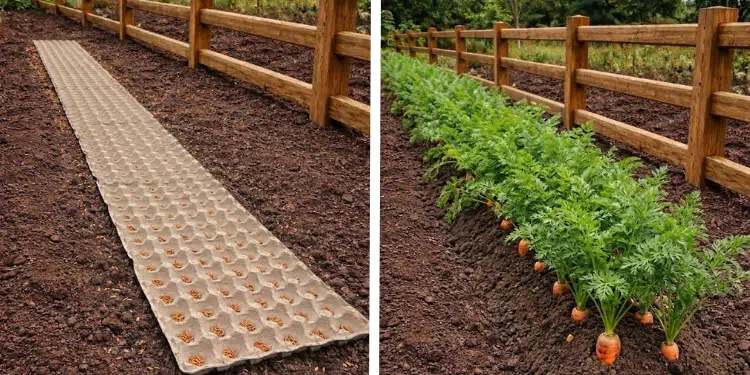
For gardeners eager to harvest fresh vegetables in summer, early planting is one of the most important strategies.
Many vegetables need several months of warm weather to develop fully, which means the sooner they are planted in spring, the larger and more productive they become by summer.
Planting vegetables before April allows seedlings to establish strong roots while temperatures are still mild. When summer heat arrives, these plants are already mature enough to produce large harvests.
Crops such as Solanum lycopersicum, Cucumis sativus, and Capsicum annuum benefit greatly from early planting because they require long growing seasons.
Why Early Spring Planting Matters
Vegetables planted early often outperform those planted later in the season. Early planting allows crops to take advantage of cooler temperatures, consistent soil moisture, and longer daylight hours as spring progresses.
Early planting also means plants have time to build strong root systems before extreme summer heat arrives.
This often leads to:
- stronger plants
- earlier flowering
- larger yields
- longer harvest periods
Starting vegetables before April is one of the simplest ways to maximize productivity in a home garden.
1. Tomatoes
Tomatoes are one of the most popular vegetables grown in home gardens.
Because tomatoes require a long growing season, starting them early is essential.
Seeds are usually started indoors several weeks before outdoor planting. Once the danger of frost passes, seedlings can be transplanted into the garden.
Tomatoes prefer warm temperatures, full sunlight, and nutrient-rich soil.
Providing support structures such as cages or stakes helps keep plants upright and improves airflow.
With proper care, tomato plants can produce fruit continuously throughout summer.
2. Cucumbers
Cucumbers grow quickly but benefit from an early start.
Planting cucumbers before April allows the plants to establish strong vines before summer heat intensifies.
Cucumbers grow best in warm, sunny locations with well-drained soil.
Vertical trellising is often recommended because it improves airflow and makes harvesting easier.
Regular watering is essential, as cucumbers contain a large amount of water and require consistent moisture to develop crisp fruits.
3. Peppers
Peppers require a long growing season and should be started early for best results.
Seeds are typically started indoors and transplanted outdoors once temperatures stabilize.
Peppers thrive in warm soil and sunny locations.
The plants grow slowly at first but accelerate as temperatures rise.
Providing consistent watering and nutrient-rich soil encourages healthy growth and abundant fruit production.
4. Lettuce
Lettuce is one of the easiest vegetables to grow in early spring.
Unlike many summer crops, lettuce prefers cooler temperatures and can be planted as soon as the soil becomes workable.
Planting lettuce before April allows gardeners to harvest fresh leaves before the intense heat of summer arrives.
Successive planting every two weeks ensures a continuous supply of tender greens.
Lettuce grows well in garden beds, containers, and raised beds.
5. Carrots
Carrots are ideal for early planting because they tolerate cool soil conditions.
Planting carrots before April allows them to develop strong roots before the soil becomes too warm.
Carrots grow best in loose, sandy soil that allows roots to expand easily.
Keeping the soil evenly moist during germination helps ensure successful seed sprouting.
Carrots take several weeks to mature, but early planting results in sweeter and more tender roots.
6. Spinach
Spinach is another cool-season vegetable that thrives when planted early.
It grows quickly in mild spring temperatures and can be harvested within weeks.
Spinach prefers nutrient-rich soil and consistent moisture.
Planting spinach before April allows gardeners to harvest multiple crops before summer heat causes plants to bolt.
Because spinach grows quickly, it is often used as a fast-growing crop between slower vegetables.
7. Radishes
Radishes are among the fastest vegetables to mature.
Some varieties are ready to harvest in as little as three to four weeks.
Early planting allows gardeners to enjoy fresh radishes throughout spring.
Radishes grow well in loose soil and require minimal care.
Because they grow so quickly, they are often planted between slower crops as a companion plant.
8. Green Beans
Green beans grow vigorously once temperatures warm up.
Planting them before April allows vines to establish early and produce abundant pods during summer.
Beans thrive in sunny locations with well-drained soil.
Many varieties benefit from trellises or stakes, especially climbing types.
In addition to producing delicious vegetables, beans improve soil health by fixing nitrogen in the soil.
9. Zucchini
Zucchini is known for its incredible productivity.
A single plant can produce many fruits throughout the growing season.
Planting zucchini early allows plants to develop large leaves and strong root systems before peak summer production.
Zucchini grows best in rich soil with plenty of sunlight.
Regular harvesting encourages the plant to produce even more fruit.
10. Onions
Onions are commonly planted early in the season because they require a long growing period to develop large bulbs.
Planting onions before April allows them to establish roots and begin forming bulbs as daylight hours increase.
Onions grow best in well-drained soil and full sun.
Keeping the soil weed-free ensures the plants receive adequate nutrients and space to develop.
By midsummer, onions planted early can produce large, flavorful bulbs.
Tips for Successful Early Spring Planting
Planting vegetables early requires attention to a few important factors.
Soil preparation is essential. Adding compost improves soil structure and provides nutrients.
Monitoring soil temperature ensures seeds germinate successfully.
Using row covers or mulch can protect young plants from unexpected cold snaps.
Consistent watering helps seedlings establish quickly.
These practices help ensure strong plant growth and productive harvests.
Companion Planting for Healthier Crops
Companion planting can also improve vegetable growth.
Certain plants help repel pests or improve soil health.
For example:
- basil planted near tomatoes may help repel insects
- marigolds planted near vegetables can deter pests
- beans add nitrogen to the soil for nearby plants
Using companion planting strategies can enhance garden productivity.
Planning Your Summer Harvest
Planting vegetables before April is one of the most effective ways to ensure a productive summer garden.
Early planting gives crops the time they need to develop strong roots and healthy foliage.
With proper care, these plants will produce fresh vegetables for months.
By selecting crops suited to early planting, gardeners can enjoy continuous harvests throughout the growing season.
Timing is one of the most important factors in gardening success. By planting vegetables before April, gardeners give their crops the best possible start.