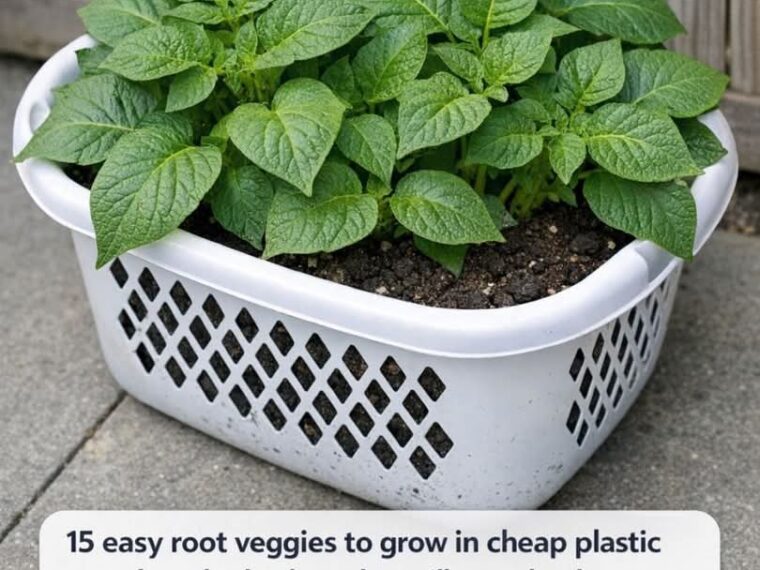
Why Use Plastic Laundry Baskets for Gardening?
If you’ve ever thought gardening was expensive or required a large backyard, this idea will completely change your perspective. Using cheap plastic laundry baskets as planters is not only a creative hack but also one of the smartest ways to grow your own food without breaking the bank. These baskets are lightweight, widely available, and incredibly versatile. You can often find them at local stores or online—honestly, you can get them on Amazon for just a few dollars, making them perfect for beginners or anyone working with a tight budget.
The real magic lies in their design. Those small holes you see all around the basket? They’re not just for airflow in laundry—they create perfect natural drainage for plants. Root vegetables, in particular, thrive in well-drained soil, and these baskets help prevent waterlogging, which can easily ruin your crops. Plus, the aeration promotes healthier root growth, leading to better yields.
Another underrated advantage is mobility. Unlike traditional garden beds, you can easily move these baskets around your patio to chase sunlight or protect your plants from harsh weather. It’s like having a portable garden you can rearrange anytime you want. And let’s be honest—there’s something incredibly satisfying about turning a simple household item into a thriving mini farm.
Setting Up Your Laundry Basket Garden
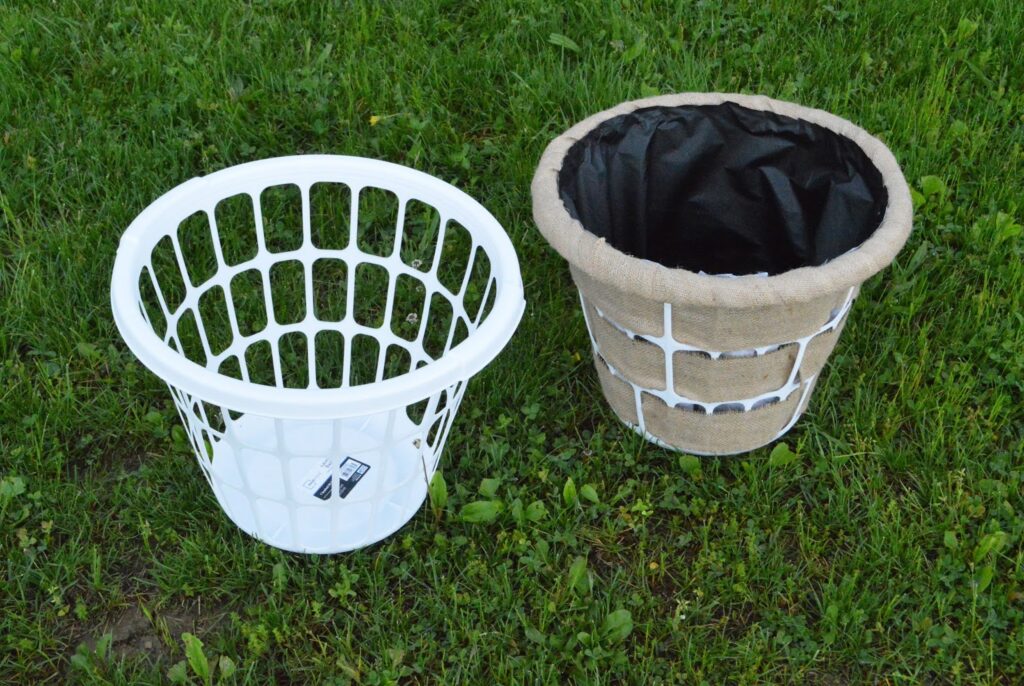
Getting started is surprisingly simple, and you don’t need any fancy tools or gardening experience. All you need is a plastic laundry basket, some good-quality soil, and your choice of root vegetables. If you don’t already have a basket at home, you can easily grab one online—you can get durable options on Amazon that work perfectly for this setup.
Start by lining the inside of the basket with a breathable material like landscape fabric or even an old cloth. This prevents soil from spilling out while still allowing water to drain. Then, fill the basket with a well-balanced soil mix—ideally a combination of potting soil, compost, and a bit of sand for drainage.
Once your basket is filled, plant your seeds or seedlings according to the spacing instructions. Don’t overcrowd—root vegetables need room to grow underground. Place the basket in a sunny spot, and you’re good to go. It’s really that easy.
This setup is perfect for patios, balconies, or even small outdoor corners. You don’t need a backyard to grow your own food anymore. With just a few baskets, you can create a productive and visually appealing garden space.
Best Soil Mix for Root Vegetables
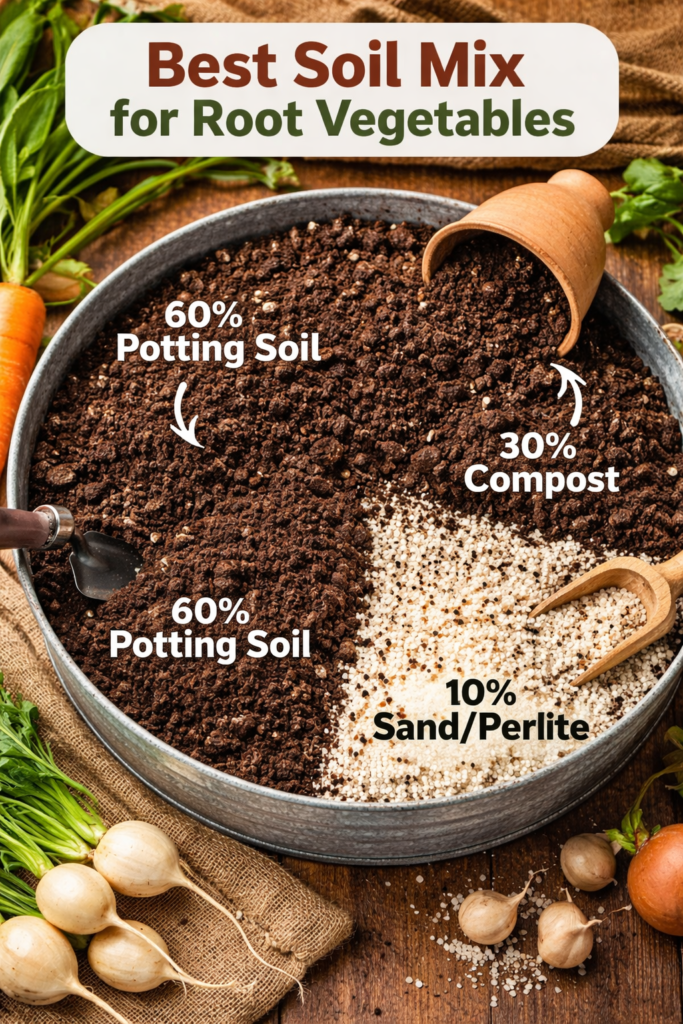
When it comes to growing root vegetables, soil quality is everything. These plants grow beneath the surface, so the soil needs to be loose, well-draining, and rich in nutrients. Think of it like giving your plants a soft, cozy bed to stretch out in—compact or heavy soil will stunt their growth and lead to misshapen vegetables.
A great mix includes:
- 60% potting soil
- 30% compost
- 10% sand or perlite
This combination ensures proper drainage while still retaining enough moisture and nutrients. Compost adds essential organic matter, which helps roots develop fully and improves overall plant health.
Avoid using garden soil straight from the ground—it’s often too dense and may contain pests or diseases. Instead, invest in a quality potting mix. You can easily find affordable options online—again, you can get excellent soil blends on Amazon that are ready to use.
The better your soil, the better your harvest. It’s that simple.
15 Root Vegetables You Can Grow Easily
TO CONTINUE READING THE ARTICLE PLEASE SEE PAGE 2