As we grow older, we often discover that small, consistent habits can make the biggest difference: a short daily walk, quality sleep, balanced meals — and sometimes, even a simple sprinkle of oregano.
Oregano is more than a pizza topping or pasta seasoning. This fragrant Mediterranean herb has long been appreciated for its supportive wellness properties. While it is not a miracle cure and should never replace medical care, it may offer meaningful benefits when included regularly as part of a balanced diet.
Why Oregano Deserves a Second Look
Oregano is:
- Rich in antioxidants
- Naturally flavorful and easy to add to meals
- Traditionally used for immune and digestive support
- Affordable and widely available
- Versatile — fresh, dried, or brewed as tea
For seniors seeking simple, natural additions to a healthy routine, oregano is a practical and accessible option.
Why Seniors May Especially Benefit
As we age, the body experiences:
- Increased oxidative stress
- Slower digestion
- Greater inflammatory activity
- Changes in immune response
Incorporating herbs with supportive plant compounds — such as oregano — can complement a nutrient-rich lifestyle.
Below are five evidence-informed reasons oregano may be worth including in your daily meals.
1. Rich in Powerful Antioxidants
Oregano contains plant compounds such as carvacrol and thymol, known for their antioxidant activity.
Why This Matters
Oxidative stress increases with age and is linked to cellular damage and various chronic conditions. Antioxidants help neutralize free radicals, supporting overall cellular health.
Simple ways to use it:
- Add to roasted vegetables
- Sprinkle over salads
- Stir into soups or tomato sauces
Even small daily amounts contribute to overall dietary antioxidant intake.
2. May Support Heart Health
Heart health becomes increasingly important after age 60.
Oregano contains natural plant compounds that may:
- Support healthy cholesterol levels
- Help reduce inflammation
- Contribute to healthy circulation
While oregano is not a substitute for prescribed treatment, it can be part of a heart-supportive diet rich in vegetables, whole grains, lean proteins, olive oil, and healthy fats.
Important: Always consult your healthcare provider if you have heart disease or take cardiovascular medications.
3. Helps Support the Immune System
The immune system naturally becomes less robust with age.
Oregano has traditionally been valued for its antimicrobial properties. Research on carvacrol suggests it may help support the body’s natural defense mechanisms against certain microbes.
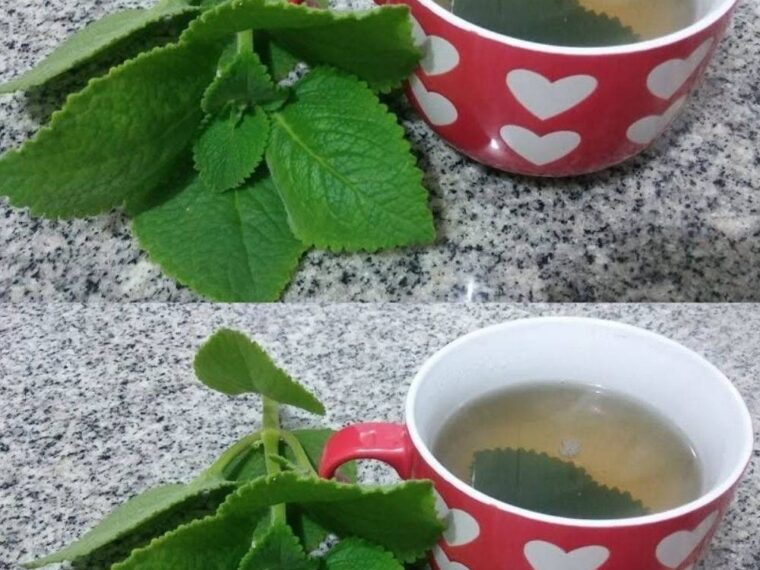
Many people enjoy oregano tea during colder months as a comforting addition to their wellness routine.
4. May Aid Digestion
Digestive discomfort — including bloating or slower digestion — can become more common over time.
Oregano may help:
- Stimulate digestive enzymes
- Support gut balance
- Ease mild digestive discomfort
Easy daily additions:
- Sprinkle over scrambled eggs
- Mix into salad dressings
- Add to soups and stews
- Combine with olive oil for dipping whole-grain bread
Consistency is more beneficial than large, occasional amounts.
5. Supports Healthy Inflammation Levels
Chronic low-grade inflammation is often associated with joint stiffness and discomfort.
Oregano contains naturally occurring anti-inflammatory compounds that may support a balanced inflammatory response when consumed regularly as part of a healthy diet.
Pair oregano with other supportive foods such as:
- Olive oil
- Garlic
- Leafy greens
- Turmeric
A balanced dietary pattern matters more than any single ingredient.
How to Add Oregano to Your Diet
You do not need large amounts to potentially benefit.
Try these simple ideas:
- Sprinkle dried oregano over eggs
- Add fresh leaves to salads
- Brew oregano tea with hot water and lemon
- Stir into soups and tomato-based dishes
- Mix with olive oil and garlic as a marinade
A typical culinary amount is about ½ to 1 teaspoon of dried oregano per day within meals.
Important Safety Notes
When used as a culinary herb, oregano is generally safe for most people.
However:
- Individuals taking blood thinners should consult a doctor before increasing intake.
- Those on blood sugar medications should speak with their healthcare provider.
- Concentrated oregano oil supplements are much stronger and should only be used under medical supervision.
Moderation and balance are key.
Frequently Asked Questions
Is oregano tea safe for daily use?
For most individuals, moderate consumption is fine. Consult your healthcare provider if you take prescription medications.
Is fresh oregano better than dried?
Both are beneficial. Dried oregano is more concentrated in flavor and antioxidant content per teaspoon.
Can oregano replace medications?
No. Oregano may support overall wellness but should never replace prescribed treatment.
How much oregano should I use?
About ½ to 1 teaspoon of dried oregano daily in meals is generally reasonable as part of a balanced diet.
Conclusion
Oregano may seem like a humble herb, but it carries meaningful potential when included regularly in a healthy lifestyle. For seniors looking for natural and affordable ways to support heart health, digestion, immune function, and balanced inflammation, this Mediterranean staple deserves a place in the pantry.
No single ingredient is a cure-all. However, thoughtful, consistent dietary choices add up over time. Sometimes wellness begins with something as simple as what you sprinkle onto your dinner plate.
Share Your Thoughts
Do you cook with oregano regularly?
Have you tried oregano tea?
Sharing practical experiences can help others discover simple ways to support their well-being.