
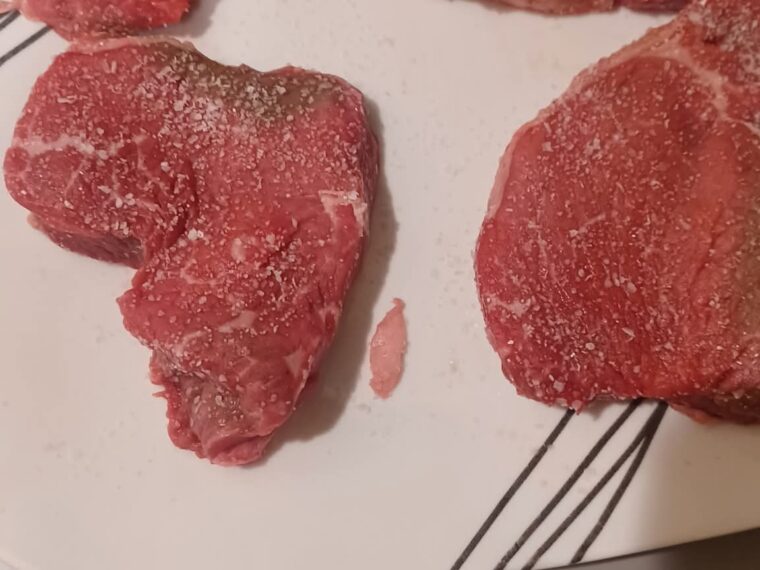
The Correct Way to Marinate Meat
A Complete Guide to Flavorful, Tender, and Safe Results
Marinating meat sounds simple—pour, wait, cook. But done incorrectly, marinades can make meat mushy, bland, or unsafe. Done right, they transform even tough cuts into juicy, deeply flavorful meals.
This guide explains how marinades actually work, what mistakes to avoid, and gives you perfect base recipes you can adapt to any meat.
What a Marinade Really Does (And Doesn’t Do)
A proper marinade has three jobs:
- Flavor – carries herbs, spices, and aromatics into the surface
- Tenderization – gently loosens muscle fibers
- Moisture retention – helps meat stay juicy during cooking
⚠️ Myth to drop right now:
Marinades do not penetrate deeply. They affect mainly the outer ¼–½ inch of meat. That’s normal.
The 4 Essential Components of a Correct Marinade
1. Acid (Use Carefully)
Examples:
- Vinegar
- Lemon or lime juice
- Yogurt
- Wine
Purpose:
- Breaks down surface proteins
- Enhances flavor
⚠️ Too much or too long = mushy meat
2. Fat (Non-Negotiable)
Examples:
- Olive oil
- Avocado oil
- Sesame oil
- Yogurt (counts as fat + acid)
Purpose:
- Carries fat-soluble flavors
- Prevents dryness
- Improves browning
3. Salt (Or a Salty Ingredient)
Examples:
- Salt
- Soy sauce
- Fish sauce
- Miso
Purpose:
- Seasons the meat
- Helps retain moisture
- Improves texture
4. Aromatics & Flavor
Examples:
- Garlic
- Onion
- Herbs
- Spices
- Mustard
- Honey or sugar (small amount)
Purpose:
- Flavor depth and balance
The Golden Rules of Marinating
✔ Always marinate in the refrigerator
✔ Use glass, ceramic, or food-grade plastic (never aluminum)
✔ Turn meat occasionally for even coverage
✔ Pat meat dry before cooking for proper browning
❌ Never reuse raw marinade unless boiled
How Long to Marinate (This Matters)
| Meat Type | Ideal Time |
|---|---|
| Fish | 15–30 minutes |
| Chicken pieces | 1–4 hours |
| Whole chicken | 4–12 hours |
| Beef steaks | 2–12 hours |
| Tough cuts (stew meat, pork shoulder) | 8–24 hours |
⛔ Acidic marinades should never exceed 24 hours.
The Perfect All-Purpose Marinade (Base Recipe)
Ingredients
- ¼ cup olive oil
- 2 tbsp lemon juice or vinegar
- 1 tbsp soy sauce or 1 tsp salt
- 3 cloves garlic, minced
- 1 tsp black pepper
- 1 tsp paprika or cumin
- Optional: 1 tsp honey or brown sugar
Method
- Whisk all ingredients until emulsified
- Add meat and coat thoroughly
- Cover and refrigerate
- Remove meat 20 minutes before cooking
- Pat dry and cook as desired
This works for beef, chicken, lamb, and pork.
Marinade Recipes by Meat Type
For Beef (Steak or Stew)
- Olive oil
- Red wine vinegar
- Soy sauce
- Garlic
- Rosemary or thyme
- Black pepper
⏱ 4–12 hours
For Chicken (Juicy & Flavorful)
- Yogurt
- Lemon juice
- Garlic
- Paprika
- Turmeric or cumin
- Salt
⏱ 2–8 hours
🔥 Excellent for grilling or roasting
For Pork (Tender & Balanced)
- Olive oil
- Apple cider vinegar
- Mustard
- Garlic
- Honey
- Thyme
⏱ 6–24 hours
For Fish (Light & Fresh)
- Olive oil
- Lemon zest (not juice)
- Herbs
- Salt
- Pepper
⏱ 15–30 minutes only
Common Marinating Mistakes to Avoid
❌ Too much acid
❌ Marinating too long
❌ Skipping oil
❌ Using salt only at the end
❌ Leaving meat at room temperature
❌ Expecting marinade to fix spoiled meat
Marinade enhances good meat — it does not rescue bad meat.
Should You Poke Holes in Meat?
No.
Fork-poking causes:
- Juice loss
- Uneven texture
- Dry meat
Salt and time do the work naturally.
Final Thoughts
The correct way to marinate meat isn’t complicated — it’s balanced.
When you respect:
- Time
- Ingredients
- Meat type
You get:
- Better texture
- Deeper flavor
- Safer cooking
A good marinade whispers flavor.
A bad one screams regret.