
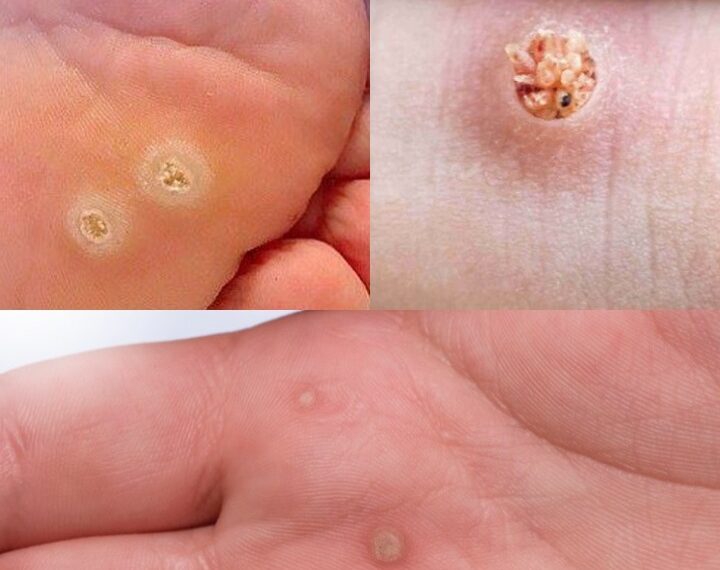
Be Very Careful: If You Notice This Skin Growth, It Could Be Serious
Most skin changes are harmless—freckles, moles, skin tags, or small bumps that appear with age. However, not every growth should be ignored. Some changes on the skin can be early warning signs of serious health conditions, including skin cancer.
Knowing what to look for can make a life-saving difference.
Skin Growths You Should Never Ignore
Certain characteristics make a skin growth more concerning than others. Doctors advise paying close attention if a spot or bump:
- Changes rapidly in size, color, or shape
- Bleeds, oozes, or crusts without injury
- Doesn’t heal after several weeks
- Looks different from other moles or spots on your body
- Itches, hurts, or becomes tender
- Has irregular borders or uneven coloring
These signs don’t always mean cancer, but they do warrant medical evaluation.
The ABCDE Rule Doctors Use
Dermatologists often rely on the ABCDE rule to assess moles and skin growths:
- A – Asymmetry: One half doesn’t match the other
- B – Border: Edges are jagged, blurred, or uneven
- C – Color: Multiple shades (brown, black, red, white, or blue)
- D – Diameter: Larger than about 6 mm (size of a pencil eraser)
- E – Evolving: Any change over time
If a growth meets one or more of these criteria, it should be checked promptly.
Why Early Detection Matters
Skin cancers, including melanoma, are far more treatable when caught early. In many cases, early removal prevents the cancer from spreading to other organs. Delayed diagnosis, on the other hand, can lead to more aggressive treatments and serious complications.
Who Is at Higher Risk?
You may be at increased risk if you:
- Have fair skin or many moles
- Spend a lot of time in the sun or use tanning beds
- Have a family history of skin cancer
- Experienced frequent sunburns, especially in childhood
That said, skin cancer can affect anyone, regardless of skin tone.
What You Should Do
- Perform monthly self-skin checks, including hard-to-see areas
- Take photos to track changes over time
- See a dermatologist if anything looks unusual
- Never attempt to remove suspicious growths at home
The Bottom Line
Your skin often gives early warnings when something isn’t right. A growth that looks small or harmless today could become serious if ignored. Paying attention, acting early, and seeking professional advice could protect not only your skin—but your life.