Writer
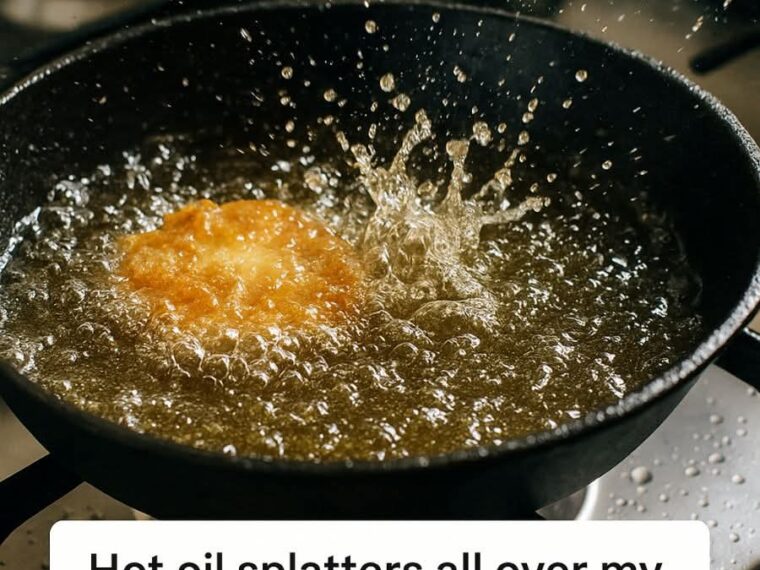
Frying is a beloved cooking method that delivers crispy, golden results that are hard to resist. However, as anyone who has ever stood over a sizzling pan knows, hot oil splatters can quickly turn your kitchen into a war zone, leaving you with burns and a sticky mess to clean up. Why does this happen? When moisture from the food contacts hot oil, it rapidly turns to steam, causing the oil to spatter.
Understanding the science behind these splatters is the first step to taming them. With the right techniques, you can enjoy perfectly fried foods without the headache of cleaning up a greasy stovetop. Here are several methods to help you prevent oil splatters and maintain a clean cooking space.
1. Start With Dry Ingredients to Eliminate Excess Moisture
Water and oil don’t mix, and when droplets of water hit hot oil, they cause violent splattering. Always start with dry ingredients. If you’re frying something like potatoes, make sure they’re dry before they hit the oil. Using a salad spinner can be an effective way to remove water from vegetables after washing.
For proteins, such as chicken or fish, ensure they are thawed and brought to room temperature. Ice crystals or condensation from the fridge will cause the oil to spatter. Allowing them to rest on a paper towel for a few minutes can help remove excess moisture.
2. Pat Proteins and Vegetables Thoroughly Dry Before Frying
For proteins, use paper towels to pat them dry thoroughly. This step is crucial whether you’re frying chicken, fish, or even tofu. The drier the surface, the less likely you are to experience dramatic oil splatters.
Similarly, with vegetables, especially those with high water content like zucchini or eggplant, pat them dry using a clean kitchen towel or paper towel. You can also let them air dry on a rack for 10 minutes before frying.
3. Use Light Breading or Coating to Create a Moisture Barrier
Breading or coating your food can act as a moisture barrier, preventing juices from escaping and reacting with the hot oil. A simple dredge in flour, or a more complex breading with egg and breadcrumbs, can make a significant difference.
For example, when frying chicken, first coat it in flour, then dip in beaten egg, and finally coat with breadcrumbs. This triple-layer coating not only enhances texture but also minimizes splatter.
4. Choose the Right Pan Size and Depth to Contain Splatters
Using a deep pan can help contain oil splatters. A pan with high sides is ideal as it provides more space for oil to bubble and splatter without escaping.
Ensure that your pan is large enough to fit your food without overcrowding. This extra room helps prevent oil from being pushed up and out of the pan by displaced oil.
5. Control Oil Temperature to Reduce Violent Bubbling
Maintaining the right oil temperature is critical when frying. If your oil is too hot, it can cause excessive bubbling and splattering. Use a thermometer to monitor the oil temperature; for most frying, a range of 350°F to 375°F is ideal.
Lower temperatures will cook food more evenly and prevent it from burning on the outside while remaining raw inside. Adjust the heat as needed to maintain a consistent temperature.
6. Avoid Overcrowding the Pan to Minimize Steam and Spatter
Adding too much food at once can lower the oil temperature and cause excessive steam, leading to splatters. Fry in batches to give each piece enough space in the pan.
This technique not only reduces spattering but also ensures that your food cooks evenly and attains the desired crispiness.
7. Add Food Gently and Away From You to Direct Splashes
When adding food to hot oil, do so carefully and away from you. This technique helps direct any splashes away from your hands and body, reducing the risk of burns.
Use tongs or a slotted spoon to lower the food into the oil, which allows for a controlled placement and minimizes splashing.
8. Use Splatter Screens and Clever Lid Hacks From TikTok
A splatter screen is a mesh cover that lets steam escape while containing oil splatters. They are an inexpensive investment that can significantly reduce the mess.
Additionally, some creative cooks use clever lid hacks, such as partially covering the pan with a lid and leaving a small gap for steam to escape, further minimizing splatter.
9. Swap to Higher-Smoke-Point Oils for Cleaner, Calmer Frying
Certain oils have higher smoke points and are more stable at high temperatures, leading to less splattering. Oils such as canola, grapeseed, or peanut oil can withstand higher temperatures without breaking down.
Switching to these oils can result in more controlled frying and less aggressive bubbling.
10. Keep Water, Ice, and Frozen Foods Far From Hot Oil
Never add water, ice, or frozen foods directly into hot oil, as this will cause severe splattering. If you’re frying frozen foods, ensure they are thawed properly and patted dry before cooking.
Keep any liquids and ice far from your frying station to prevent accidental splashes.
11. Line and Shield Your Stove Area for Easier Cleanup
Line your stovetop with aluminum foil or a silicone mat to catch any stray oil droplets. This can make cleanup easier and prevent oil from baking onto your stovetop.
Additionally, you can use a baking sheet to cover nearby surfaces or walls, acting as a shield against errant oil splatters.
12. Try Alternative Methods: Air Fryers, Ovens, and Shallow Frying
For those looking to avoid oil splatters altogether, consider alternative cooking methods like air frying or oven baking. These methods use little to no oil and still provide crispy results.
Shallow frying, using just enough oil to cover the bottom of the pan, is another technique that reduces the risk of splattering while still achieving a delicious, fried texture.