
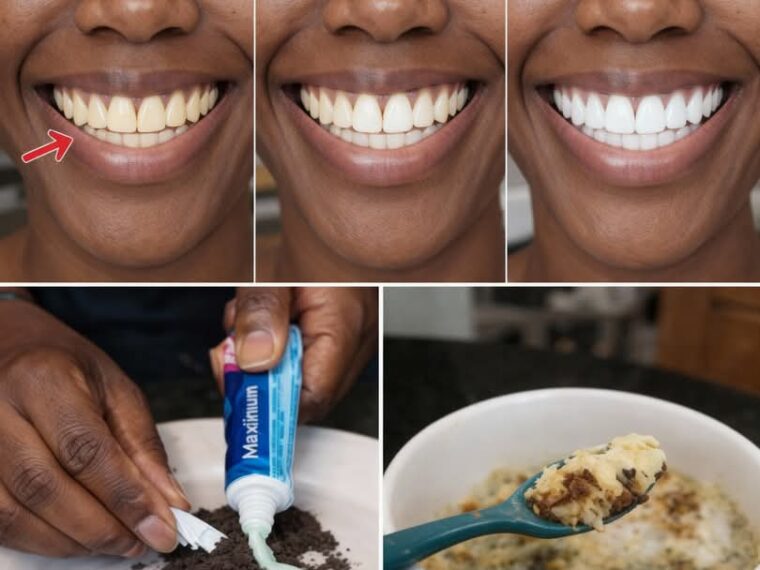
Tooth discoloration sneaks up on so many of us, turning a once-bright smile into something we feel self-conscious about every time we laugh or smile for photos. You might notice yellowing from daily coffee, tea, or red wine, or feel that dullness creeping in with age, making you hesitate in conversations or avoid close-up moments altogether. The worst part? Those trendy over-the-counter kits often deliver disappointing results or leave teeth feeling sensitive and irritated. The good news is that some gentle, natural approaches can help lift mild surface stains over time—without aggressive chemicals—when done carefully and consistently. In this guide, we’ll explore what actually works based on evidence, what to skip, and simple habits that support a brighter smile while keeping your enamel safe. Stick around until the end for a practical routine that could make a real difference in how confident you feel showing your teeth.

Why Do Teeth Get Discolored?
Tooth discoloration is incredibly common and often unavoidable. Dark-colored drinks like coffee, tea, and red wine, along with smoking and natural aging, leave stubborn extrinsic stains on the enamel surface. These stains build up over time, making your smile appear less vibrant and affecting your confidence in social situations.
Intrinsic stains, which develop deeper within the tooth from medications, trauma, or genetics, are harder to address. Natural teeth whitening at home primarily targets milder extrinsic stains, offering subtle improvements rather than dramatic transformations. Research shows these gentle approaches work best as maintenance habits alongside good oral hygiene.

Popular DIY Trends: What Science Actually Says
Social media overflows with “miracle” natural teeth whitening hacks, but many lack solid evidence and can harm your enamel. One viral trend involves rubbing banana peels on teeth, with claims that potassium and magnesium polish away stains.
The reality? Multiple dental studies have found banana peels offer no meaningful whitening effect. Any temporary shine usually comes from simple friction, not special minerals. When people combine banana peels with abrasive or acidic ingredients, the risk of enamel damage increases significantly.
Other trending mixtures—like lemon juice, excessive salt, or complex blends with ginger and baking soda—sound promising but often introduce unnecessary risks. Highly acidic ingredients can erode enamel over time, leading to increased sensitivity and a higher chance of cavities. Dentists and the American Dental Association consistently caution against aggressive DIY combinations.
But that’s not all—let’s look at what safer options actually hold up under scrutiny.

Safer Natural Approaches Backed by Evidence
Fortunately, some natural teeth whitening at home habits are gentler and supported by research. These methods focus on mild stain removal and better oral cleanliness rather than aggressive bleaching.
1. Gentle Baking Soda Use
Baking soda is a mild abrasive found in many ADA-approved whitening toothpastes. Studies show it can effectively reduce surface stains when used sparingly without causing excessive enamel wear.
Safe way to try it:
- Mix ½ teaspoon of baking soda with your regular fluoride toothpaste.
- Brush gently for 2 minutes.
- Limit to 2–3 times per week.
- Avoid daily use to prevent abrasion.
This approach offers gradual, low-risk stain reduction when moderated properly.
2. Oil Pulling
Swishing coconut or sesame oil for 10–15 minutes may reduce plaque and bacteria. Small studies suggest this ancient practice can contribute to a cleaner, slightly brighter appearance over time, though evidence for dramatic whitening remains limited.
It’s generally considered safe and doesn’t expose teeth to acids that erode enamel.
3. Crunchy Fruits and Vegetables
Eating apples, celery, carrots, and strawberries acts as natural scrubbing. Their texture helps remove surface debris, while the malic acid in strawberries may offer minor natural teeth whitening benefits in some cases—though research shows results are subtle and short-lived.
These foods promote overall oral health without added risks when eaten as part of a balanced diet.
4. Everyday Preventive Habits
Simple daily changes can make a big difference in maintaining brightness:
- Brush twice daily with fluoride toothpaste to strengthen enamel and remove plaque.
- Floss daily to clear debris between teeth.
- Rinse your mouth with water after consuming staining foods or drinks.
- Use a straw to minimize contact with dark beverages like coffee or soda.
These habits prevent new stains from setting in and support any gentle whitening efforts.

Home Remedies vs. Proven Options: Quick Comparison
Here’s a straightforward look at how these stack up:
| Method | Potential Effectiveness | Safety Level | Cost | Duration of Results |
|---|---|---|---|---|
| Gentle baking soda use | Mild surface stain removal | Generally safe if moderate | Very low | Maintenance only |
| Oil pulling | Minor cleanliness boost | Safe | Low | Temporary |
| Crunchy fruits/vegetables | Minor mechanical cleaning | Safe | Free | Temporary |
| ADA-approved whitening toothpaste | Moderate surface stains | Safe | Low | Ongoing with use |
| Professional whitening | Significant brightening | Safe when supervised | Higher | Months to years |
This table highlights why gentle, consistent habits often outperform risky one-off experiments.
Step-by-Step Gentle Natural Whitening Routine
Want to try natural teeth whitening at home safely? Follow this simple weekly routine:
- Start with your normal brushing using fluoride toothpaste twice daily.
- 2–3 times per week, add a small amount of baking soda to your toothpaste for gentle polishing.
- After meals with staining potential, eat an apple or crunchy vegetable as a natural cleanser.
- Optionally, practice oil pulling in the morning for 10–15 minutes.
- Always rinse thoroughly and wait 30 minutes before consuming anything acidic.
Consistency is key—gentle, regular habits often deliver better long-term results than intense one-time treatments. Many people notice subtle improvements after a few weeks of sticking to this plan.
When to Consult a Dentist
If surface stains persist or you want more noticeable improvement, professional options remain the gold standard. Dentists can provide custom trays, in-office bleaching, or address underlying causes of discoloration. They’ll also check for issues like thinning enamel or gum health that natural methods can’t fix.
Never ignore increasing sensitivity or pain—these can signal enamel damage that needs professional attention.
Frequently Asked Questions
How long until I see results from natural teeth whitening at home?
Most people notice subtle improvements after 2–4 weeks of consistent safe habits, though individual results vary based on diet, stain level, and oral hygiene routine.
Are natural methods better than store-bought whitening products?
Not necessarily. ADA-approved whitening toothpastes and strips undergo rigorous safety testing and often deliver more predictable results than purely natural approaches.
Can DIY remedies permanently damage my teeth?
Yes—repeated use of highly acidic or overly abrasive ingredients can erode enamel permanently. Once enamel is lost, it doesn’t regenerate, so moderation and caution are essential.
Final Thoughts
A brighter smile can significantly boost confidence, but it’s worth pursuing safely. While certain natural teeth whitening at home habits—like gentle baking soda use, oil pulling, and smart daily choices—may help reduce mild surface stains, viral “miracle” mixtures often fall short and carry risks.
Focus on evidence-based oral care, stay consistent, and consult your dentist for personalized guidance. Your smile deserves gentle, reliable support—not fleeting social media trends.
Disclaimer: This article is for informational purposes only and does not constitute medical advice. Natural remedies are not substitutes for professional dental care. Always consult your dentist before trying new whitening methods, especially if you have sensitive teeth, restorations, or existing dental conditions. Discontinue any practice that causes discomfort or sensitivity.