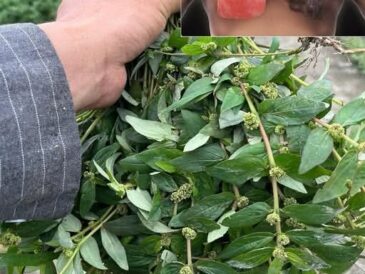

The Common Blue Violet (Viola sororia) is one of the most familiar wildflowers across North America. Most people recognize it for its delicate purple blooms scattered across lawns, forest edges, and shaded gardens—but very few know that this plant is far more than a pretty weed. Beneath its soft appearance lies a long history of traditional use, impressive nutritional value, and soothing properties that have made violet a trusted household remedy for generations.
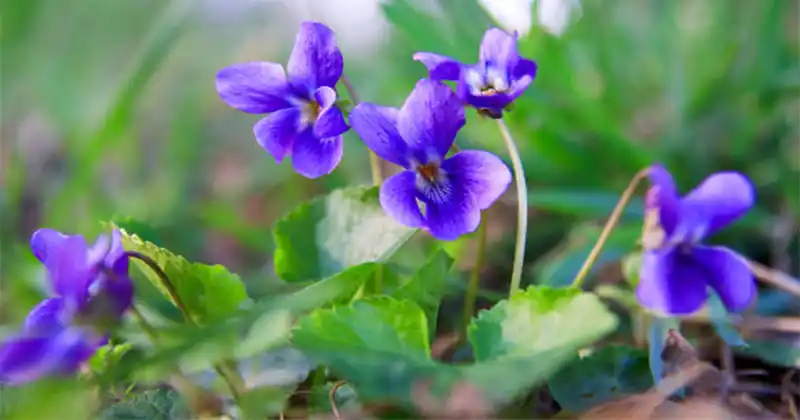
Both the leaves and flowers of Common Blue Violet are edible and medicinal. They can be used fresh or dried, brewed into teas, transformed into syrups, turned into soothing skin remedies, or even enjoyed in homemade culinary creations. The plant is gentle, safe when used properly, and incredibly versatile.
Below is a complete overview of its natural power and practical ways to use it at home.
The Power of Common Blue Violet (Viola sororia)
1. Rich in Vitamins A and C
The leaves are densely packed with vitamin A, supporting skin health, eye function, and immunity. The flowers contain vitamin C, making them a natural immune supporter.
2. Natural Anti-Inflammatory
Violet’s soothing compounds help calm internal and external inflammation—from irritated skin to swollen tissues.
3. Lymphatic Cleanser
Traditionally, the plant is used to support healthy lymph flow, helping the body flush waste and maintain immune strength.
4. Gentle Respiratory Support
A mild expectorant, violet tea is known to ease coughs, support bronchial comfort, and soften irritation in the throat.
5. Digestive Soother
The mucilage found in violet leaves acts as a natural demulcent, coating the digestive tract and comforting the stomach.
6. Skin-Healing Properties
The leaves can soothe dryness, redness, minor rashes, and irritation when applied as a poultice or infused oil.
7. Mild Pain Relief
Its natural compounds provide a gentle analgesic effect for headaches, sore muscles, and general discomfort.
8. Natural Sleep Support
Violet has calming properties that may help the body relax before bedtime.
9. Anti-Microbial Effects
The plant contains mild antimicrobial elements traditionally used to support overall wellness.
10. Nutrient-Dense Edible Plant
Fresh leaves can be added to salads or smoothies as a source of minerals, antioxidants, and plant-based nourishment.
Homemade Uses of Common Blue Violet
Below are the most practical and effective ways to use Common Blue Violet at home.
1. Violet Tea (for immunity, digestion, and coughs)
Ingredients:
- 1 tablespoon dried leaves or flowers
- 1 cup hot water
Instructions:
- Pour hot water over the herb.
- Cover and steep for 10–15 minutes.
- Strain and drink warm.
Best for: immunity boosting, soothing coughs, digestive comfort, relaxation.

2. Violet Infused Oil (for skin issues)
Ingredients:
- Fresh or dried violet leaves and flowers
- Olive oil, sweet almond oil, or jojoba
Instructions:
- Fill a jar halfway with violet leaves/flowers.
- Cover completely with oil.
- Let it infuse for 3–4 weeks in a warm place, shaking occasionally.
- Strain and store in a dark bottle.
Uses:
- Apply to dry skin
- Soothe rashes, irritated spots, and redness
- Use in homemade lotions or balms
3. Violet Salve (for dry skin and minor irritation)
You need:
- Violet infused oil
- Beeswax
Steps:
- Melt 1 tablespoon beeswax with 4 tablespoons violet oil.
- Pour into a small container and let cool.
This salve is great for:
- Dry or cracked skin
- Minor scrapes
- Bug bites
- Under-eye moisture (very gentle)
4. Violet Syrup (for coughs and soothing the throat)
Ingredients:
- 1 cup violet flowers
- 1 cup water
- Sugar or honey
Preparation:
- Simmer flowers in water for 10 minutes.
- Strain and press out liquid.
- Add equal parts honey or sugar.
- Store in the refrigerator.
Uses:
- Take 1 teaspoon during coughs
- Add to tea
- Use as a natural sweetener for relaxation
5. Violet Leaf Poultice (for direct skin application)
How to make:
- Crush fresh leaves until moist and juicy.
- Apply directly to irritated skin.
- Cover with a cloth and keep for 20–30 minutes.
Helpful for:
- Mild rashes
- Insect bites
- Redness and irritation
6. Violet Honey (for sore throat)
Simply place a handful of violet flowers in a jar and cover with honey. Let infuse for at least 2 weeks.
Use a spoonful as needed for throat comfort.
7. Violet Powder (made from dried leaves)
Dry violet leaves completely and grind them into powder.
Uses:
- Add ½ teaspoon to smoothies for added nutrients
- Mix into herbal capsules
- Sprinkle into soups or stews for a nutritional boost
8. Violet Culinary Uses
- Add young leaves to salads
- Use flowers as edible decorations
- Add leaves to soups during cooking
- Mix leaf puree into green sauces
The taste is mild and pleasant, making the plant easy to introduce into meals.
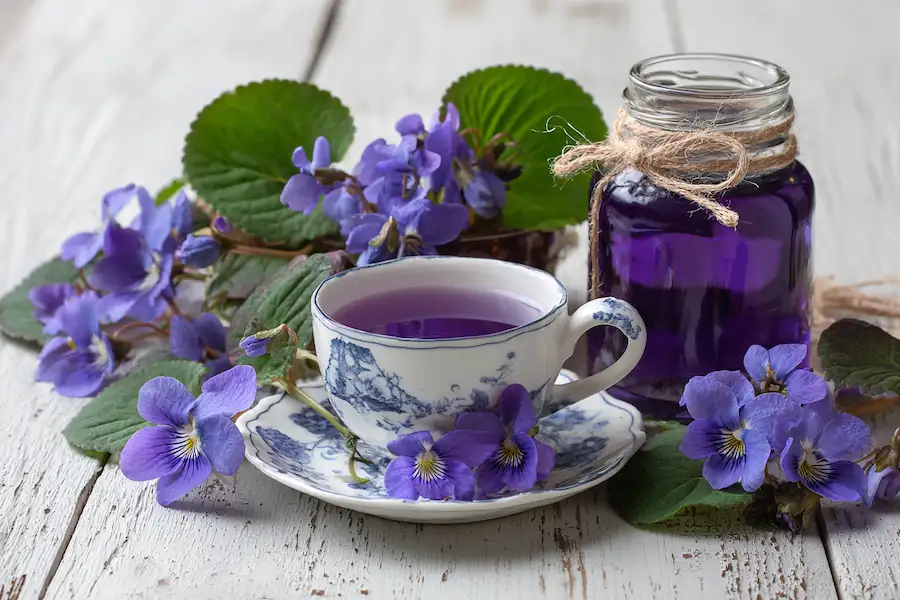
The Common Blue Violet (Viola sororia) is far more than a lawn flower. It is a gentle, nutritious, and incredibly useful plant with centuries of traditional use behind it. Whether used as a soothing tea, a skin-healing salve, a respiratory syrup, or a nutrient-rich addition to meals, this plant offers a wide range of natural support for the body.
Disclaimer
While Common Blue Violet is considered safe, always use it in moderation. Individuals with allergies to plants in the Violaceae family should avoid it. This article is for educational purposes only and is not a substitute for medical advice.
Inspired by this? Share the article with your friends!