
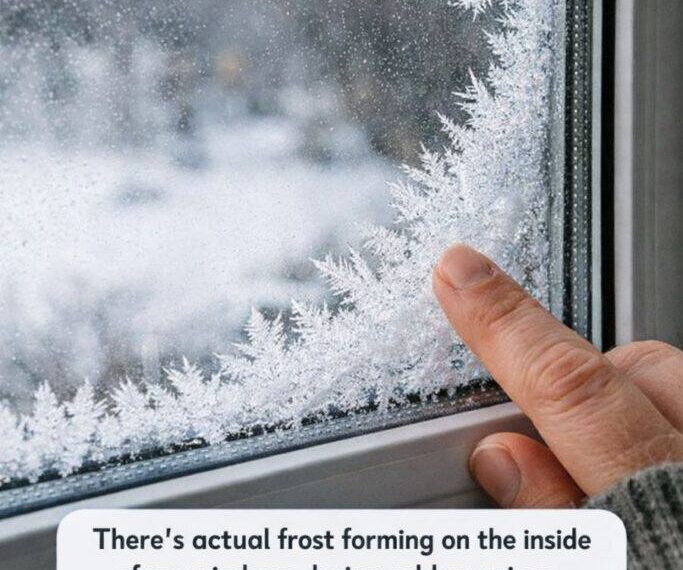
Waking up to find frost on the inside of your windows can be a surprising and concerning sight. While it can create beautiful patterns reminiscent of winter wonderlands, its presence indoors might raise questions about your home’s insulation and humidity levels. Understanding why this happens is crucial for maintaining a comfortable and energy-efficient living space.
Frost formation on windows is not merely a cosmetic issue; it can be indicative of underlying problems with your home’s thermal envelope or ventilation. In this article, we will explore the reasons behind indoor frost, when it’s a sign of a bigger problem, and what steps you can take to prevent it.
1. Why Frost Forms On The Inside Of Your Windows
Frost forms on the inside of windows when warm, moist indoor air comes into contact with the cold surface of the window glass. As the temperature of the glass drops below the dew point — the temperature at which air becomes saturated and moisture begins to condense — water vapor in the air condenses into liquid. If the temperature is low enough, this liquid can freeze, forming frost. Typically, frost forms when indoor humidity is high and outdoor temperatures are below freezing (32°F or 0°C).
2. When Indoor Frost Is Normal—And When It’s A Red Flag
In some cases, a little frost is normal, especially in older homes with single-pane windows during extreme cold spells. However, consistent or heavy frost indicates excessive indoor humidity or poor window insulation. If frost persists despite moderate outdoor temperatures or appears on newer, double-pane windows, it may signal inadequate ventilation or a problem with the windows themselves.
3. What Frosty Windows Reveal About Your Indoor Humidity
Frost on windows is a clear indicator of high indoor humidity. Ideally, indoor humidity levels should be between 30-50%. When humidity levels exceed this range, condensation and frost are more likely to occur. Using a hygrometer can help monitor humidity levels, allowing you to make necessary adjustments to prevent frost formation.
4. The Role Of Window Type, Age, And Installation
The type and age of windows play significant roles in how likely they are to develop frost. Single-pane windows provide little insulation compared to double or triple-pane windows. Additionally, poorly installed windows can lead to air leaks, allowing cold air to cool the window surface more quickly. Ensuring windows are properly sealed and in good condition can reduce frost formation.
5. Hidden Risks: Mold, Rot, And Damage Behind The Frost
Persistent frost on windows can lead to more serious problems like mold growth, wood rot, and damage to window frames. Mold thrives in moist environments and can pose health risks, while rot can weaken window structures. Addressing frost promptly can prevent these issues from developing.
6. Quick Morning Fixes To Clear Frost Safely
To clear frost, start by gently scraping it away with a plastic scraper or credit card. Avoid using metal tools, which can scratch the glass. You can also use a hairdryer on a low setting to slowly warm the glass, helping to melt the frost without causing thermal shock. Wiping down excess moisture with a towel will prevent refreezing.
7. Everyday Habits That Quietly Raise Indoor Moisture
Simple daily activities such as cooking, showering, and even breathing contribute to indoor moisture levels. Using exhaust fans in kitchens and bathrooms, covering pots while cooking, and ensuring clothes dryers are vented outside can help reduce overall humidity levels. Opening windows occasionally to allow fresh air circulation also helps.
8. Ventilation Tricks To Cut Condensation Before It Freezes
Improving ventilation is key to reducing condensation. Using ceiling fans to circulate air, installing trickle vents on windows, or using dehumidifiers can significantly lower indoor humidity. Ensuring that your home’s HVAC system is functioning properly and distributing air evenly is also essential.
9. Affordable Upgrades To Warm Up Cold Window Surfaces
Installing thermal curtains or window insulation kits can help keep window surfaces warmer, reducing the chance of frost forming. Applying weatherstripping around window frames can also prevent drafts and improve overall insulation. These affordable solutions can make a noticeable difference in preventing frost.
10. Bigger Fixes: When To Call A Pro Or Replace Windows
If frost problems persist despite your efforts, it may be time to consult a professional. Older windows may need replacement, especially if they are single-pane or have significant air leaks. A professional can also assess for insulation issues within the walls or roof that may be contributing to temperature imbalances.
11. How To Monitor Your Home So Frost Doesn’t Come Back
Regularly monitor indoor humidity levels with a hygrometer to ensure they stay within the recommended range. Schedule annual inspections for your windows and HVAC system to catch potential issues early. By staying vigilant and making necessary updates, you can prevent frost from reappearing and maintain a comfortable indoor environment.


