
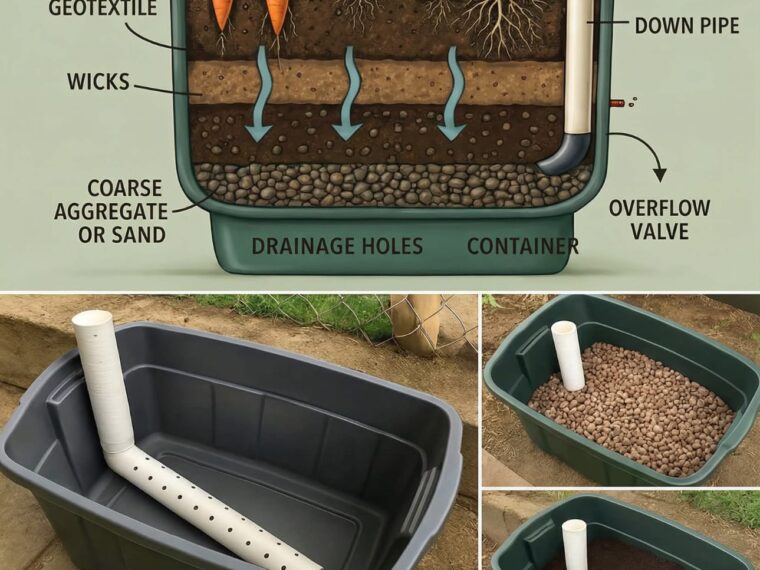
How Self-Watering Planters Work
The Simple System That Helps Plants Thrive
If you’ve ever overwatered a plant — or forgotten to water it altogether — self-watering planters can feel like magic. But there’s no mystery involved. These clever containers use a simple water delivery system that keeps soil consistently moist without drowning your plants.
Let’s break down how they work and why they’re so effective.
What Is a Self-Watering Planter?
A self-watering planter is a container designed with a built-in water reservoir beneath the soil. Instead of watering from the top every day, you fill the reservoir, and the plant draws up water as it needs it.
The system reduces guesswork and creates more stable moisture levels.
The Key Components
Most self-watering planters have three main parts:
1. Water Reservoir
Located at the bottom of the pot, this holds extra water separate from the soil.
2. Wicking System
This is the most important part. It may be:
- A fabric wick
- A soil column
- A perforated platform
The wick pulls water upward through capillary action — the same natural process that allows water to travel up plant roots.
3. Soil Compartment
The upper section holds potting mix and plant roots. As the soil dries, it pulls moisture from the reservoir below.
How Capillary Action Works
Capillary action is the ability of water to move through small spaces without gravity helping — and sometimes even against gravity.
When the soil begins to dry:
- Tiny air pockets form
- These pockets create suction
- Water moves upward from the reservoir into the root zone
This means the plant takes water when it needs it, rather than sitting in constantly soaked soil.
Why Self-Watering Planters Are Effective
Consistent Moisture
Plants prefer steady moisture, not cycles of soaking and drying.
Reduced Overwatering
Because roots aren’t submerged in water, there’s less risk of root rot (when used properly).
Less Frequent Watering
The reservoir can last days or even weeks depending on plant size and weather.
Stronger Root Development
Roots grow downward toward moisture, creating healthier root systems.
Which Plants Do Best in Self-Watering Planters?
They’re especially good for:
- Herbs (basil, parsley, mint)
- Leafy greens
- Houseplants like pothos or peace lilies
- Tomatoes and peppers (with large reservoirs)
However, they may not be ideal for:
- Succulents
- Cacti
- Plants that prefer dry soil
Those plants need faster drainage and drier conditions.
Common Mistakes to Avoid
Using Garden Soil
Always use light, well-draining potting mix. Heavy soil blocks wicking.
Keeping the Reservoir Constantly Full
Allow occasional partial drying to prevent oversaturation.
Ignoring Drainage Overflow
Some systems include overflow holes — make sure they’re not blocked.
Are They Truly “Self-Watering”?
Not exactly. You still need to refill the reservoir. The system simply automates the moisture delivery between refills.
Think of it as controlled hydration, not zero maintenance.
Final Thoughts
Self-watering planters work by combining:
- A water reservoir
- A wicking system
- Natural capillary action
The result is a more stable growing environment that reduces stress for both plants and gardeners.
When used with the right soil and suitable plants, they make watering easier, more efficient, and far more forgiving.