
How to Deal With Humidity Problems in Your House
A Complete Guide to Identifying, Fixing, and Preventing Excess Moisture
If your home feels damp, smells musty, shows condensation on windows, or has peeling paint or mold spots, you likely have a humidity problem. Excess indoor moisture is more than uncomfortable — it can damage walls, furniture, flooring, and even your health.
The good news? Most humidity issues can be solved once you understand the cause.
What Is “Too Much” Humidity?
Healthy indoor humidity levels should be:
- 30%–50% relative humidity
Above 60%, you may start noticing:
- Condensation on windows
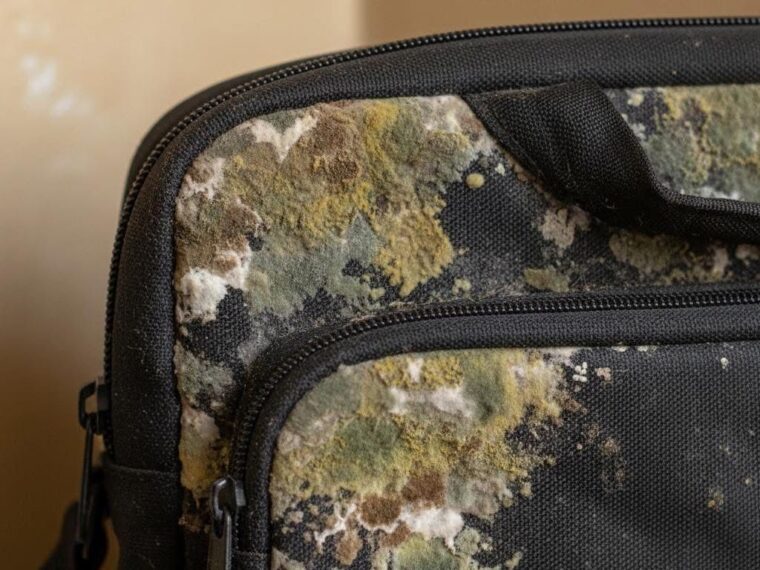
- Mold growth
- Damp odors
- Warped wood
- Rust on metal fixtures
You can measure humidity with a simple digital hygrometer (inexpensive and very useful).
Step 1: Identify the Source of the Moisture
Humidity doesn’t appear randomly. It usually comes from one of these sources:
1. Poor Ventilation
- Bathrooms without exhaust fans
- Kitchens without proper hood vents
- Closed windows with no airflow
Steam from showers and cooking builds up quickly.
2. Water Leaks
- Roof leaks
- Plumbing leaks
- Cracks in exterior walls
- Basement seepage
Even small leaks create major moisture problems over time.
3. Ground Moisture (Especially in Basements)
Moisture can rise from the soil through foundation walls and floors.
4. Everyday Activities
Normal daily actions add moisture:
- Showering
- Cooking
- Drying clothes indoors
- Even breathing
In tightly sealed homes, this moisture has nowhere to go.
Step 2: Immediate Actions You Can Take
Improve Air Circulation
- Open windows when weather allows
- Use ceiling fans
- Keep interior doors open
- Run exhaust fans during and after showers (at least 20 minutes)
Use a Dehumidifier
One of the most effective solutions.
Place it in:
- Basements
- Laundry rooms
- Damp bedrooms
Aim to maintain humidity below 50%.
Dry Wet Areas Immediately
After showers, wipe down:
- Glass
- Tiles
- Walls
Don’t let water sit and evaporate into the air.
Step 3: Fix Structural Issues
If humidity persists, investigate deeper problems.
Seal Cracks
Use waterproof sealant on:
- Basement walls
- Window frames
- Exterior gaps
Improve Drainage Outside
Make sure:
- Gutters are clean
- Downspouts direct water away from foundation
- Soil slopes away from the house
Water pooling near your home increases interior moisture.
Consider Vapor Barriers (Basements & Crawl Spaces)
Plastic sheeting over exposed soil reduces ground moisture rising into the house.
Step 4: Prevent Mold Growth
Mold thrives in high humidity.
To prevent it:
- Clean small mold spots with vinegar or hydrogen peroxide
- Keep rooms dry
- Avoid carpeting damp areas
- Replace water-damaged materials if necessary
If mold covers large areas, professional remediation may be required.
Step 5: Adjust Daily Habits
Small changes help a lot:
✔ Use lids when cooking
✔ Vent clothes dryers outside
✔ Avoid air-drying laundry indoors
✔ Limit long, steamy showers
✔ Keep furniture slightly away from walls for airflow
Signs the Problem Is Serious
Call a professional if you notice:
- Persistent mold smell
- Bubbling paint or warped walls
- Large mold patches
- Structural wood rot
- Ongoing unexplained dampness
These may indicate hidden leaks or foundation issues.
Long-Term Solutions
For chronic humidity:
- Install a whole-house dehumidifier
- Upgrade bathroom/kitchen ventilation
- Improve insulation to prevent condensation
- Install a sump pump in wet basements
Final Thoughts
Humidity problems aren’t just about comfort — they’re about protecting your home and health. The key is:
- Measure humidity
- Identify the source
- Improve airflow
- Remove excess moisture
- Fix structural issues
Most homes can return to a healthy balance with consistent action.