Like to see more from Cooking Tips
Print this recipe
Canned goods are a staple in many households, offering a convenient and long-lasting option for meals. However, noticing that a can of soup has a puffed lid or is dented can be alarming. These physical changes can be indicative of potential safety issues, raising the question of whether it’s still safe to open and consume.
When a can is compromised, it is essential to understand the possible risks involved. This article will delve into why a puffed or dented can lid is a red flag and what steps you should take to ensure your safety when dealing with potentially dangerous canned goods.
1. Why a Puffing or Dented Can Lid Is a Red Flag
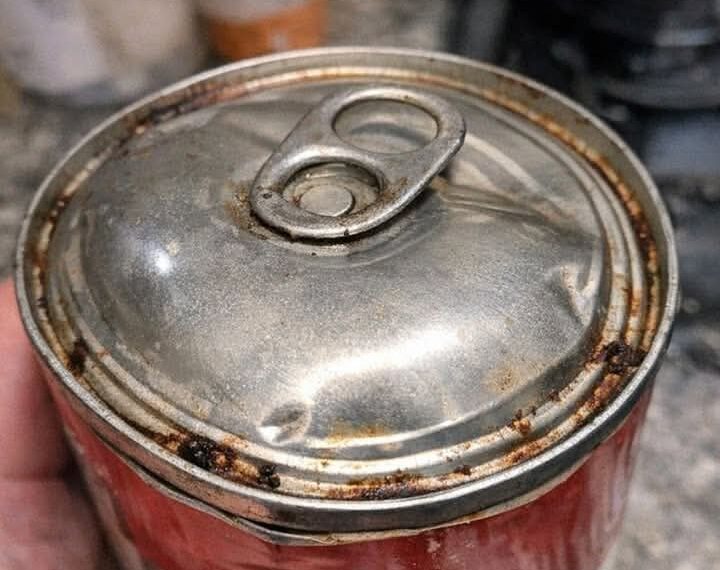
A can’s integrity is crucial for preserving its contents, and any change to its structure can signal a problem. A puffed lid is a significant warning sign indicating that gases have built up inside the can, often due to microbial growth. This puffing results from pressure exerted by these gases, which can distort the can’s shape.
Dented cans, especially those with damage along the seams or rims, are also concerning. The structural integrity of the can is compromised, which can lead to contamination. A dent can create a small opening or weaken the seal, allowing bacteria to enter and spoil the food inside.
2. How Gas Buildup Signals a Compromised Seal
The buildup of gas inside a can is often a sign that the seal has been compromised, allowing bacteria to proliferate inside. This fermentation or spoilage process produces gases that have nowhere to escape, causing the can to swell or even burst.
Pressure changes can also result from temperature fluctuations or improper storage, but microbial activity is the most common cause. Once the can is puffed, it indicates that the contents are no longer in a vacuum-sealed environment, which is necessary to inhibit bacterial growth and keep the food safe.
3. The Foodborne Illness Risks Hiding Inside Damaged Cans
Damaged cans can harbor dangerous bacteria such as Clostridium botulinum, which produces a potent toxin that can lead to botulism, a serious illness. Even a small amount of this toxin can be deadly, making it critical to avoid consuming food from compromised cans.
Other pathogens, like Salmonella and E. coli, can also thrive in canned goods if the seal is broken. These bacteria can cause severe gastrointestinal distress and other health complications, underscoring the importance of ensuring canned food safety.
4. When a Dented Can Might Still Be Safe—and When It’s Not
Not all dents are cause for concern. If the dent is shallow and not located on the seams or the lid, the can might still be safe to consume. However, if the dent is deep, sharp, or located along the seams or the lid, it poses a risk of contamination.
Inspecting the can for any signs of leakage, rust, or swelling in addition to the dent can help in determining its safety. If any of these signs are present, it’s best to err on the side of caution and discard the can.
5. Simple Visual Checks to Decide If You Should Toss It
Before opening a can, perform a thorough visual inspection. Look for signs of swelling, rust, or leakage, which are clear indicators of spoilage. Check the seams and lids for any signs of damage or bulging.
If a can has any noticeable defects, it’s safer to discard it. Trust your instincts; if something looks off, it’s not worth the risk to your health.
6. The Smell Test and Other Signs Once a Can Is Opened
Once a can is opened, conduct a smell test immediately. A foul or unusual odor is a strong indicator that the food has spoiled and should not be consumed. The appearance of the contents can also provide clues; any discoloration, cloudiness, or mold is a red flag.
If the can emits a spray or foam upon opening, this can suggest fermentation or spoilage, and the food should be discarded immediately.
7. Why You Should Never Taste Food From a Suspicious Can
Tasting food from a suspicious can, even a small amount, can be dangerous. If the food is contaminated with toxins like those produced by Clostridium botulinum, ingestion can lead to severe illness or even death.
Continued on next page: 👇