
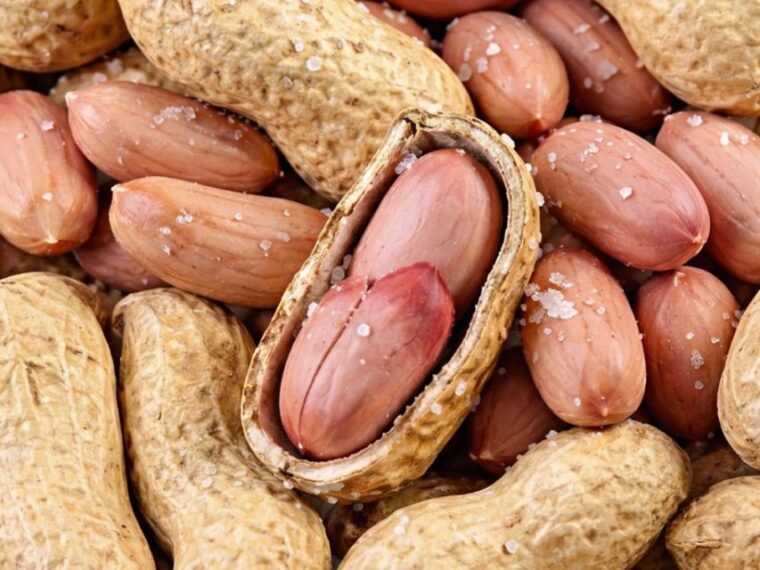
As we age, our nutritional needs change. The body becomes more sensitive to blood sugar fluctuations, muscle mass naturally declines, and heart health requires closer attention. While many seniors focus on supplements or expensive “superfoods,” one simple and affordable option often goes overlooked: peanuts.
When eaten in moderation and prepared properly, peanuts can be a powerful addition to a healthy aging diet.
Heart Health Support
Cardiovascular health becomes increasingly important after the age of 60. Peanuts contain heart-friendly monounsaturated and polyunsaturated fats, which may help lower LDL (“bad”) cholesterol levels when they replace saturated fats in the diet. They also provide magnesium, a mineral that supports healthy blood pressure and proper muscle function, including the heart.
Research consistently shows that moderate nut consumption is associated with improved heart health. For seniors, even a small daily portion can contribute to long-term cardiovascular protection.
Healthy aging does not require complicated diets. Sometimes, small and consistent habits make the biggest difference. Adding a modest serving of peanuts to yogurt, oatmeal, salads, or whole-grain toast can provide lasting nutritional value.
As always, seniors should consult with a healthcare professional if they have specific medical conditions. However, for many older adults, peanuts can be a safe, affordable, and nutrient-rich food that supports heart health, brain function, muscle strength, and overall vitality.
In the journey of aging well, simple choices matter — and sometimes, a small handful of peanuts can be one of them.


