
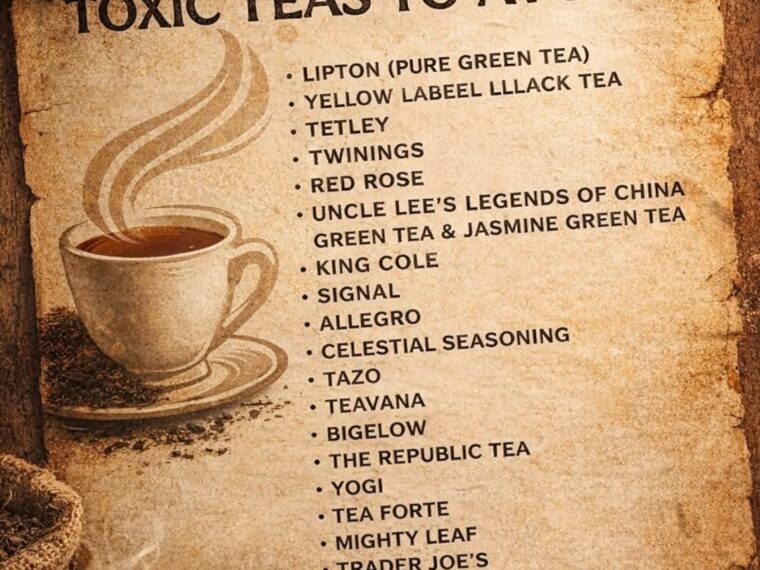
Tea is often seen as one of the healthiest beverages in the world. From green tea to black tea, it’s associated with antioxidants, relaxation, and overall wellness. But in recent years, concerns have emerged about contaminants that may be present in some commercially produced teas.
So, should you be worried? Let’s separate facts from fear and look at what truly matters when choosing tea.
🌿 Why Tea Is Considered Healthy
Tea — especially varieties from the plant Camellia sinensis — contains beneficial compounds such as:
- Polyphenols
- Catechins
- Flavonoids
- Antioxidants
These compounds have been linked to:
✔ Supporting heart health
✔ Reducing oxidative stress
✔ Supporting metabolic health
✔ Promoting relaxation
Herbal teas (like chamomile, peppermint, or hibiscus) offer their own plant-based compounds as well.
⚠️ What Are the Concerns About Some Tea Brands?
While tea itself can be beneficial, concerns sometimes arise around:
1️⃣ Pesticide Residues
Tea leaves can be treated with pesticides during cultivation. In poorly regulated growing regions, residues may remain if not properly controlled.
2️⃣ Heavy Metals
Tea plants can absorb small amounts of heavy metals like lead or aluminum from soil. However, levels are typically low and regulated in most countries.
3️⃣ Microplastics (From Tea Bags)
Some tea bags made from plastic-based materials may release tiny particles when exposed to hot water.
4️⃣ Artificial Flavorings
Some mass-produced flavored teas contain artificial additives instead of natural ingredients.
It’s important to note that most commercially available teas sold through reputable companies meet safety standards. The concern is usually about quality differences, not widespread toxicity.
🍃 Are Herbal Teas Safer?
Herbal teas are not made from Camellia sinensis but from dried flowers, leaves, roots, or fruits. They may:
- Contain fewer caffeine-related concerns
- Offer targeted herbal benefits
- Provide natural flavor without additives
However, herbal teas can also carry pesticide residues if not sourced carefully. “Herbal” does not automatically mean “risk-free.”
🛒 How to Choose Better Tea
If you want to minimize risk and maximize benefits, consider:
✔ Choosing Organic
Organic certification reduces the likelihood of pesticide residues.
✔ Looking for Third-Party Testing
Some brands test for heavy metals and contaminants.
✔ Using Loose-Leaf Tea
Loose-leaf tea avoids potential microplastic concerns from some tea bags.
✔ Avoiding Artificial Flavorings
Look for real ingredients listed clearly on the label.
✔ Sourcing From Reputable Brands
Brands with transparent sourcing practices tend to maintain higher quality standards.
🧠 The Bigger Picture
It’s easy to feel alarmed by headlines suggesting everyday foods or drinks are “toxic.” In reality:
- Tea has been consumed safely for thousands of years.
- Quality varies between brands.
- Moderation and informed choices matter more than fear.
Drinking tea from reputable sources as part of a balanced diet is generally considered safe for most people.
💚 Making Informed, Not Fear-Based Choices
Taking control of your health doesn’t mean eliminating everything — it means being thoughtful.
Ask yourself:
- Where does this product come from?
- Is it tested or certified?
- Does it contain unnecessary additives?
When you choose high-quality tea, you can enjoy the ritual and potential health benefits without unnecessary worry.
🍵 Final Thoughts
Tea remains one of the world’s most widely consumed and researched beverages. While concerns about contaminants exist, they are largely related to sourcing and manufacturing quality — not tea itself.
By selecting organic, well-sourced, and minimally processed options, you can continue to enjoy tea as a nourishing part of your daily routine.
Your goal isn’t to fear what’s in your cup — it’s to understand it.