Pistachio Shells in the Garden: Everything You Need to Know
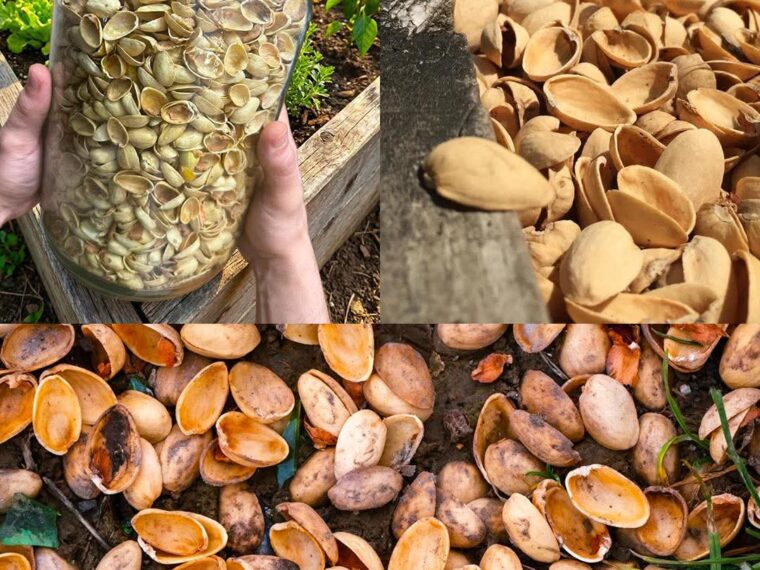
Pistachio shells are one of those garden “waste” items that can actually be useful. Instead of tossing them, you can reuse them in smart ways around your plants—as mulch, in pathways, or even in compost (with a little prep). They break down slowly, which makes them great for long-lasting garden use.
✅ What pistachio shells are good for
Pistachio shells are hard, dry, and slow to decompose, so they work best as a protective surface material rather than a quick compost ingredient.
✅ Ways you can use pistachio shells in the garden
Here are the best uses:
- Mulch around plants (thin layer)
Helps reduce soil splash and slows moisture loss. - Pathways between beds
Great for small garden paths to help keep mud down. - Top layer in pots/planters
A decorative, natural-looking cover that helps reduce evaporation. - Compost (in small amounts)
They can be composted, but they break down slowly—crush them first. - Drainage support around potted plant surfaces
Useful as a coarse top dressing to keep soil from compacting/crusting. - Weed suppression (light use)
A shell layer can help block some sunlight from tiny weeds. - Filler in the bottom of large outdoor planters (optional)
Can reduce the amount of potting mix needed in very large decorative containers.
(Best for non-critical decorative pots, not ideal for all plants.)
❌ What to avoid
These are the big things to watch out for:
- Salted pistachio shells (without rinsing)
Salt can harm soil and plants. - Flavored/seasoned shells
Seasonings, oils, and spices don’t belong in the garden. - Thick shell layers
A heavy layer can block water from getting into the soil. - Using them right next to tiny seedlings
Sharp edges can be rough on delicate stems and new growth. - Expecting fast composting
Shells are tough and decompose slowly. - Using moldy or greasy shells
Can attract pests and cause odor issues.
🛠️ How to use pistachio shells (the easy way)
- Collect shells (plain/unsalted is best).
- If they’re salted, rinse well and let them dry completely.
- Crush lightly (optional) with a bag + rolling pin if using for compost or finer mulch.
- Spread in a thin layer around plants, on pathways, or on top of planters.
- Keep shells a little away from the base of stems.
- Refresh as needed and mix older shells into soil/compost over time.
⚠️ Common mistakes (and how to avoid them)
- Using salty shells straight from the snack bowl → can damage plants
(Rinse and dry first.) - Adding a thick layer → water may run off instead of soaking in
(Use a thin, even layer.) - Putting shells too close to stems → can trap moisture at the base
(Leave a small gap around plant stems.) - Composting whole shells only → they take forever to break down
(Crush them first and mix with greens + browns.) - Using seasoned shells → oils/spices can attract pests
(Only use plain shells.) - Assuming shells replace real mulch completely → not ideal alone for every bed
(Use them as a helper mulch, especially in small areas or mixed with other mulch.)
🌱 Why gardeners like using pistachio shells
- Reuses kitchen/snack waste
- Looks natural in beds and pots
- Helps reduce soil splash
- Can slow moisture loss
- Useful for paths and decorative top layers
- Easy, free garden material
A simple snack waste that can do real work in the garden. 🌿🥜♻️