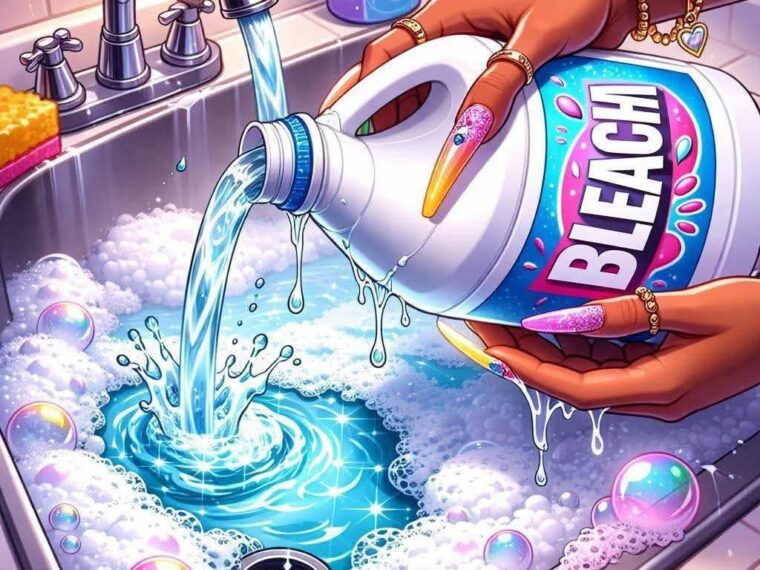
Bleach is one of the most powerful and affordable disinfectants available. Many people use it to sanitize bathrooms, floors, and laundry. But when it comes to washing dishes, the question often comes up:
Should you add bleach to your dish water?
The answer depends on how — and why — you’re using it.
🧼 Washing vs. Sanitizing: There’s a Difference
First, it’s important to understand the difference between cleaning and sanitizing.
- Washing removes food, grease, and visible dirt.
- Sanitizing reduces bacteria and germs to safe levels.
Hot water and dish soap are usually enough for everyday dishwashing. Bleach is only necessary in specific situations where sanitizing is required.
🧴 Is It Safe to Use Bleach on Dishes?
Yes — when properly diluted and used correctly, unscented household bleach can be used to sanitize dishes.
However, bleach should never be mixed directly into soapy dishwater for regular washing. It must be diluted separately in clean water and used as a sanitizing rinse.
Improper use can leave harmful residue or cause irritation.
✅ When Bleach May Be Helpful
You might consider a diluted bleach solution if:
- Someone in your home has been sick
- You’re disinfecting after handling raw meat or seafood
- You need to sanitize baby bottles or cutting boards
- You’re in an area with questionable water safety
- You’re cleaning after a flood or contamination event
In these cases, sanitizing can add an extra layer of protection.
🧪 How to Properly Sanitize Dishes with Bleach
If you choose to use bleach, follow these safe guidelines:
- Wash dishes first with hot water and dish soap. Rinse thoroughly.
- Prepare a sanitizing solution:
- 1 tablespoon of unscented liquid bleach
- 1 gallon (about 4 liters) of clean water
- Soak dishes in the solution for at least 1 minute.
- Air dry completely. Do not rinse after sanitizing, as this can reintroduce germs.
⚠️ Never mix bleach with dish soap, vinegar, ammonia, or any other cleaners. Mixing chemicals can create dangerous fumes.
🚫 When You Should NOT Use Bleach
Avoid bleach if:
- You are using it in very high concentrations
- You are mixing it with other cleaning products
- You have septic system concerns (frequent heavy use can disrupt bacteria balance)
- You’re washing delicate items like aluminum, cast iron, or certain plastics
Bleach can corrode metals and weaken some materials over time.
🌿 Natural Alternatives to Bleach
If you prefer not to use bleach, consider these options:
- Hot water (above 140°F / 60°C)
- Dishwasher with a sanitizing cycle
- Hydrogen peroxide (used separately, never mixed)
- White vinegar (for cleaning, not full sanitizing)
For most healthy households, thorough washing with hot, soapy water is enough.
🏠 The Bottom Line
You do not need bleach in your everyday dish water.
Regular dish soap and hot water effectively remove grease and bacteria for daily use. Bleach should only be used occasionally and properly diluted for sanitizing purposes.
When used correctly, it can be safe and effective. But when misused, it can cause more harm than good.