
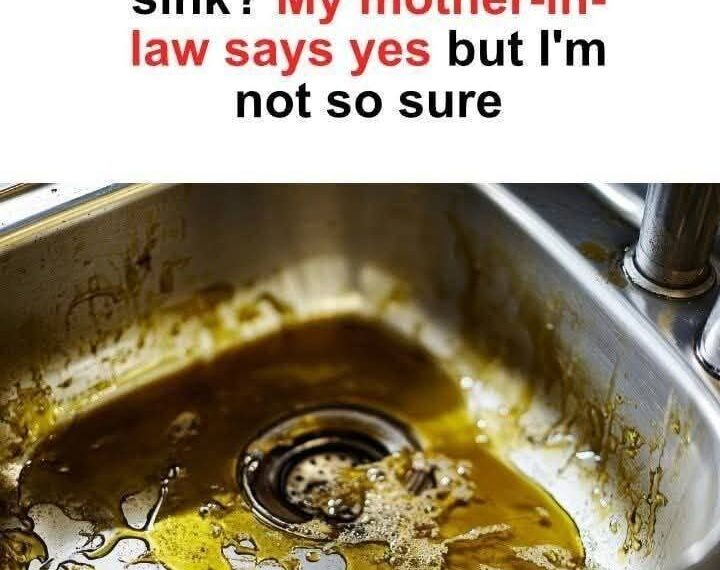
Should Oil Be Poured Down the Kitchen Sink? The Shocking Truth! 🚰🛢️
Pouring cooking oil down the kitchen sink might seem harmless—after all, it’s a liquid. But this common habit can cause serious plumbing problems, expensive repairs, and even environmental damage. Understanding what happens when oil goes down the drain can help you protect both your home and the environment.
Why Oil Is Dangerous for Your Drain
When cooking oil or grease is hot, it flows easily like water. However, as soon as it cools, it thickens and hardens. Inside your pipes, this cooling process can create sticky layers that cling to the pipe walls.
Over time, these layers trap food particles, soap residue, and debris. The buildup gradually narrows the pipe until water struggles to pass through, eventually causing slow drains or complete blockages.
Even small amounts of oil poured down the sink regularly can create a stubborn buildup that is difficult to remove.
It Doesn’t Just Affect Your Home
Many people believe that once oil leaves their kitchen sink, it becomes someone else’s problem. In reality, grease buildup can travel through the plumbing system and affect city sewer lines as well.
When cooking oil mixes with other waste materials in sewer systems, it can contribute to massive blockages sometimes called “fatbergs.” These solid masses of grease, wipes, and debris can block sewer pipes and cause wastewater backups into streets or homes.
Cleaning these blockages can cost cities millions of dollars each year.
Why Hot Water and Soap Don’t Solve the Problem
Some people try to flush oil down the drain using hot water and dish soap. While this may temporarily move the oil further along the pipe, it doesn’t remove the problem.
Once the water cools deeper in the plumbing system, the grease solidifies again, sticking to pipe walls and continuing the buildup process.
In other words, soap and hot water simply delay the clog rather than prevent it.
Better Ways to Dispose of Cooking Oil
Instead of pouring oil down the sink, try these safer alternatives:
1. Let It Cool and Solidify
Allow the oil or grease to cool completely. Once it hardens, you can scrape it into the trash.
2. Use a Container
Pour cooled oil into an empty jar, can, or bottle. Seal it and dispose of it with household waste.
3. Reuse the Oil
Some cooking oils can be filtered and reused for frying if they are still clean.
4. Recycling Programs
In some areas, used cooking oil can be recycled for biofuel or industrial uses. Check local recycling guidelines.
A Simple Kitchen Habit That Saves Money
Avoiding grease in your sink helps prevent:
- Expensive plumbing repairs
- Slow or clogged drains
- Sewer backups
- Environmental pollution
A simple habit—disposing of oil in the trash instead of the sink—can protect your plumbing and help keep local sewer systems running smoothly.
Final Thoughts
Cooking oil may seem harmless when it’s liquid, but once it cools inside pipes, it becomes a sticky problem that can lead to serious clogs. By keeping oil out of your kitchen sink and disposing of it properly, you protect your home, save money on repairs, and help the environment at the same time.
Sometimes the best plumbing advice is also the simplest: if it’s greasy, keep it out of the drain. 🚰