
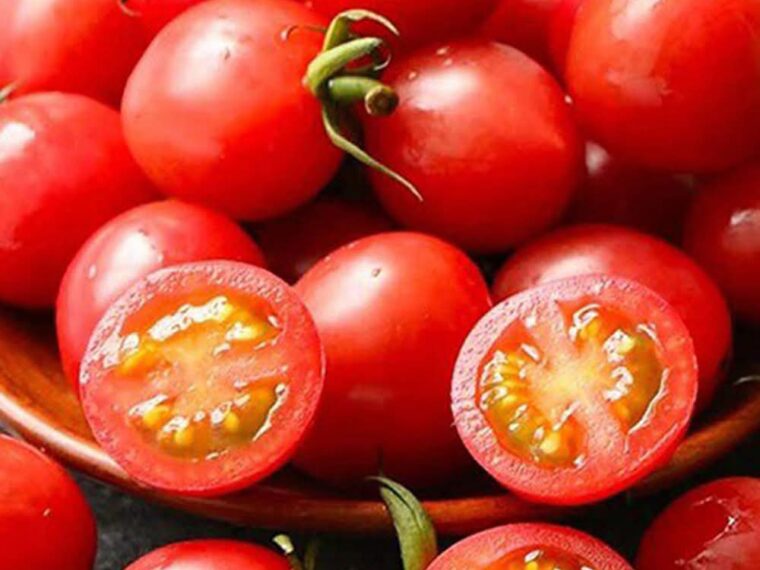
Tomatoes are one of the most common foods in daily meals — rich in vitamins, minerals, and especially lycopene, a powerful antioxidant beneficial for health. However, not everyone knows the best way to eat tomatoes for maximum health benefits, and if consumed incorrectly, the harm can sometimes outweigh the benefits.
1. Should tomatoes be eaten raw or cooked?
Modern science shows that cooked tomatoes allow the body to absorb lycopene much more effectively than raw tomatoes.
Lycopene exists within the plant cell structure of tomatoes. When tomatoes are cooked, heat breaks down the cell walls, releasing lycopene in a form that the body can absorb more easily.
Studies show that when tomatoes are cooked with a small amount of vegetable oil (such as olive oil), lycopene absorption can increase 3–4 times compared to eating them raw. This means a bowl of well-cooked tomato soup can sometimes provide much greater antioxidant and health-protective benefits than a plate of fresh tomato salad.
It’s not that raw or cooked tomatoes are strictly “better” — it depends on your goal:
If you want maximum lycopene absorption → prioritize cooked tomatoes.
If you want more natural vitamin C and fiber → eating them raw is fine, but in moderation.
2. Four common mistakes when eating tomatoes
2.1. Eating raw green tomatoes – risk of solanine poisoning
Unripe tomatoes may contain solanine, a natural compound found in some plants when they are still green, similar to sprouted potatoes. Consuming large amounts of solanine may cause nausea, dizziness, stomach pain, sweating, and in rare severe cases, breathing problems.
When tomatoes ripen and turn red, solanine levels decrease significantly and nearly disappear, making them much safer to eat.
2.2. Eating raw tomatoes on an empty stomach
Tomatoes are acidic and contain pectin and tannins. Eating them raw on an empty stomach (especially early in the morning) can increase stomach acidity and may:
Cause pectin and acids to precipitate
Lead to stomach discomfort or pain
In more severe cases, cause nausea
It’s better to eat tomatoes after meals or together with other foods, rather than alone on an empty stomach.
2.3. Cooking tomatoes too long or reheating them many times
High temperatures and overcooking can affect their nutritional value:
Vitamin C is easily destroyed — research from Cornell shows that at 88°C for 30 minutes, vitamin C decreases by about 29%
Lycopene may degrade if cooked excessively
Repeated reheating may cause fatty acids to break down into free radicals, which are not good for the liver
Therefore, tomatoes should be cooked just until done (about 15–20 minutes) and should not be reheated multiple times.
2.4. Eating the seeds if you have a sensitive digestive system
Tomato seeds are naturally difficult to digest. For people with sensitive intestines or chronic colitis, the seeds may cause:
Irritation of the intestinal lining
Bloating and indigestion
If you often feel discomfort after eating tomatoes, you can remove or strain out some of the seeds.
3. How to choose and store tomatoes properly
Choosing tomatoes:
Pick tomatoes that are evenly red and ripe, with fresh green stems
Small white specks under the skin are often a sign of good-quality flesh
Avoid tomatoes that are pale green, unripe, or bruised
Storage:
Do not keep tomatoes in the refrigerator for too long. Temperatures below 5°C can damage the fruit’s structure, causing loss of flavor and nutrients.
It is best to store them at room temperature in a cool, ventilated place.
Refrigerate only after the tomato has been cut and is ready to be used.
4. Who should be cautious when eating tomatoes
Although tomatoes are very nutritious, some people should limit their intake or consume them carefully:
People with stomach ulcers or acid reflux (GERD): raw tomatoes may cause heartburn or bloating.
People with advanced kidney disease: tomatoes contain relatively high potassium levels; consuming too much may lead to high blood potassium, which can affect heart rhythm. It is best to consult a doctor about appropriate intake.
In summary:
TO CONTINUE READING THE ARTICLE PLEASE SEE PAGE 2