
You open a chocolate bar, excited for a sweet treat… and then you notice it: a strange white, dusty coating on the surface. It looks old, maybe moldy, and definitely unappetizing.
So the big question is: is it safe to eat or should you throw it away?
Good news first  in most cases, it’s completely safe.
Let’s break it down clearly, with visuals, so you know exactly what you’re dealing with.
What Is That White Coating on Chocolate?


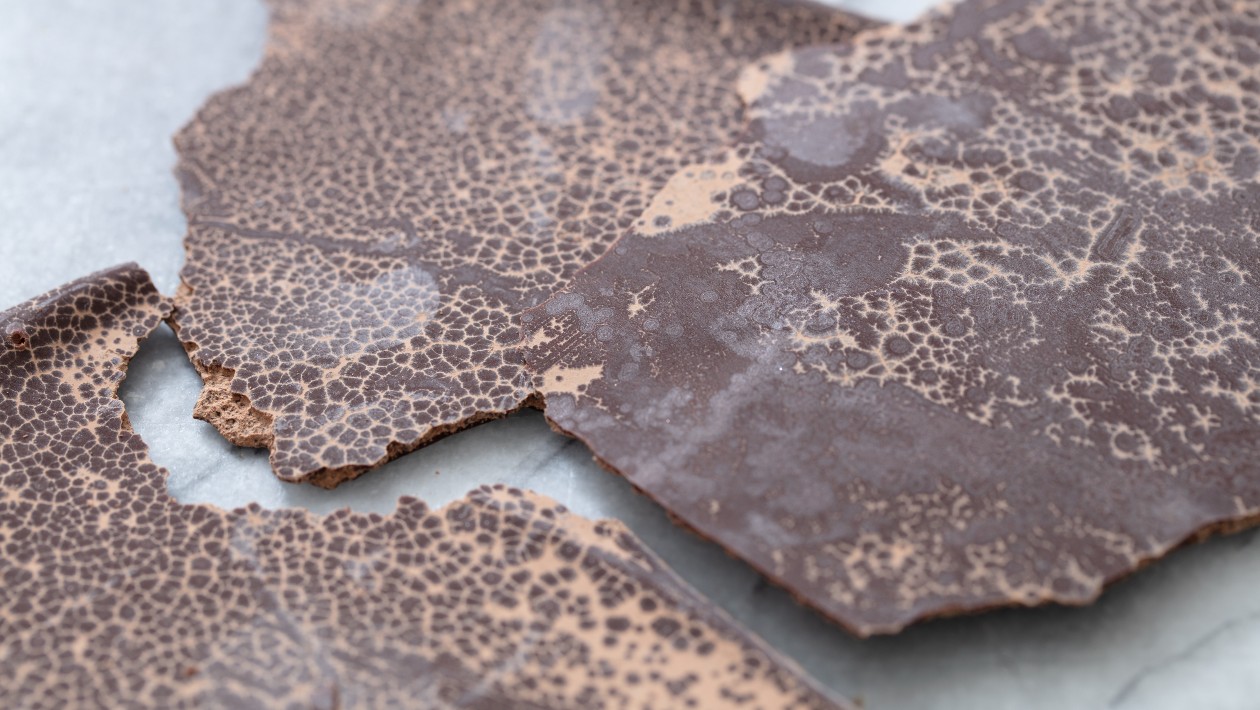
That white or grayish film is called chocolate bloom. It’s a very common phenomenon and not a sign of spoilage.
There are two main types of bloom:
1. Fat Bloom – The Most Common Cause 

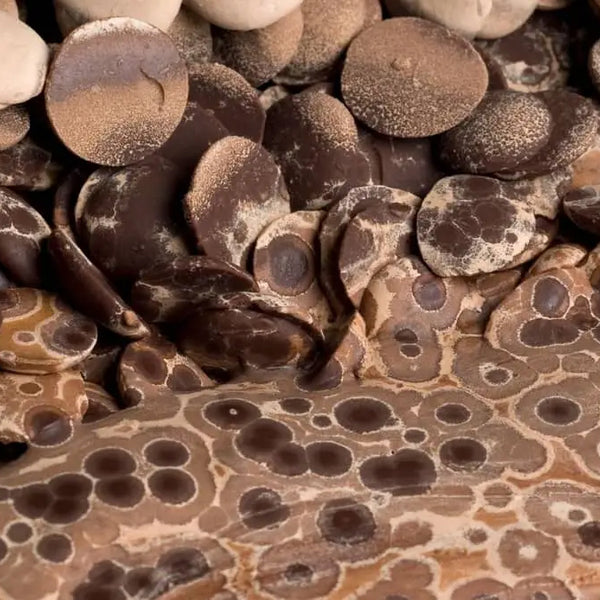
What it is:
Fat bloom happens when cocoa butter separates from the chocolate and rises to the surface.
Why it happens:
- Temperature changes
- Chocolate melting slightly, then re-hardening
- Improper storage (too warm or fluctuating temperatures)
What it looks like:
- White or gray streaks
- Chalky or dusty appearance
- Smooth but dull surface
 Safe to eat
 Texture may feel crumbly Flavor may be less intense
2. Sugar Bloom – Caused by Moisture 
What it is:
Sugar bloom occurs when moisture dissolves the sugar in chocolate. When the moisture evaporates, sugar recrystallizes on the surface.
Why it happens:
- Chocolate stored in the fridge uncovered
- Condensation from humidity
- Sudden temperature changes
What it looks like:
- Rough, grainy white coating
- Slightly sticky or sandy texture
Still safe to eat Can taste gritty or overly sweet
Is It Mold? How to Tell the Difference 

Chocolate rarely grows mold because it contains very little water.
Bloom:
 Flat, powdery or streaky No smell Evenly spread
Mold:
Fuzzy or hairy texture
Green, blue, or black spots
Musty or sour smell
If you see fuzz or smell something off, throw it away.
Does Bloom Affect Taste or Safety?

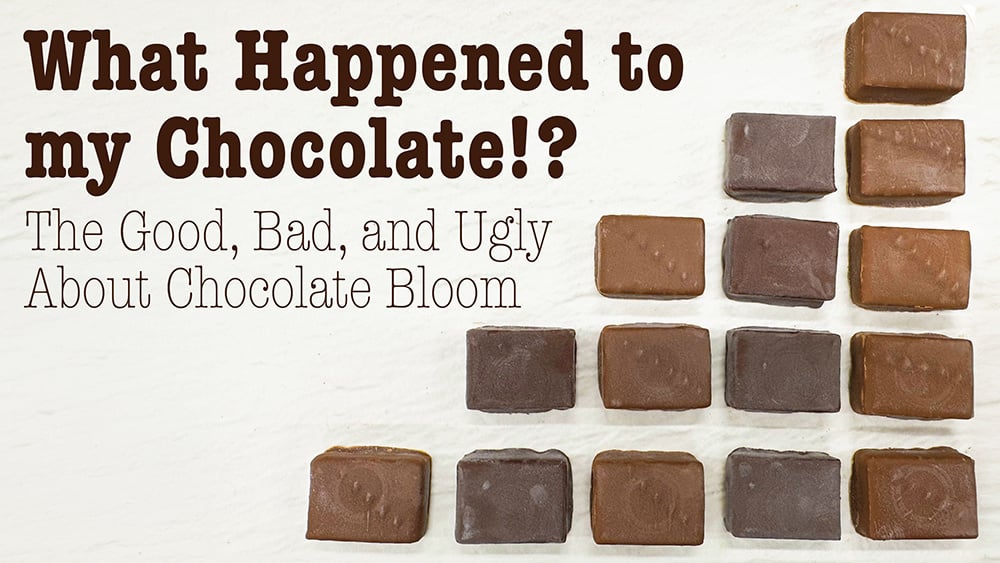
- Safety: Totally safe
- Taste: Slightly dull
- Texture: Can feel crumbly or grainy
If you’re picky about texture, bloomed chocolate may not be ideal for snacking—but it’s still perfect for baking.
Can You Fix Bloomed Chocolate? Yes!

You can easily rescue bloomed chocolate:
Easy fixes:
- Melt it gently and use it in cakes, brownies, or ganache
- Chop it and add it to cookies or muffins
- Use it for hot chocolate
Melting redistributes the cocoa butter and sugar, making it smooth again.
How to Prevent Chocolate Bloom
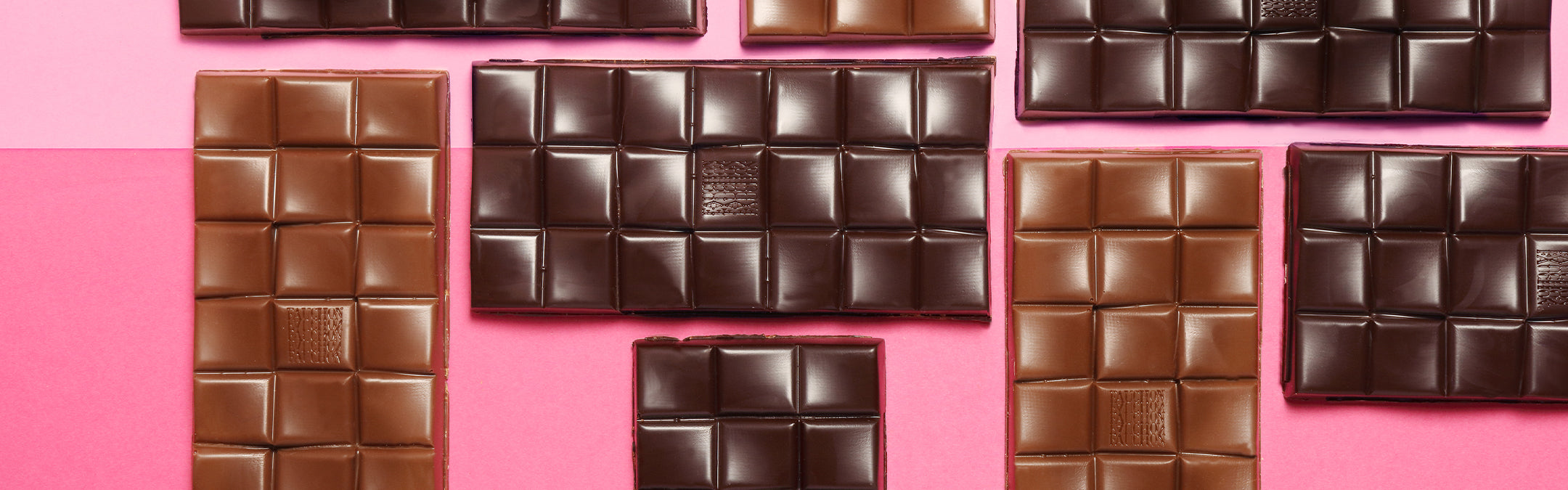

Follow these simple rules:
Store chocolate at 15–20°C (59–68°F)
Keep it dry and airtight
Avoid the refrigerator unless absolutely necessary
Never expose chocolate to sudden temperature changes
Final Verdict If your chocolate has a dusty white coating, don’t panic.
It’s almost always fat bloom or sugar bloom
It is safe to eat
It only affects appearance and texture, not safety
So unless it smells bad or looks fuzzy, you can enjoy it—or better yet, turn it into a delicious dessert.