
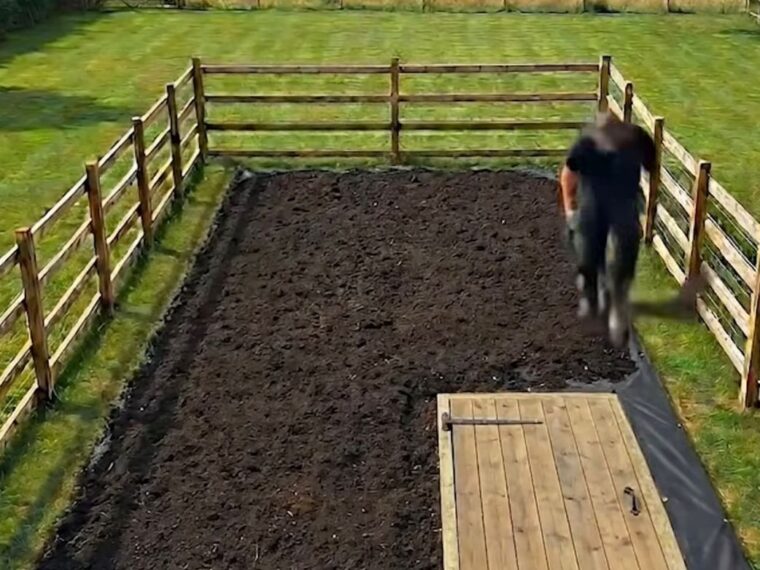
From Giant Backyard Pit to a Hidden Underground Garden Bunker 🌿🏡
What begins as a massive hole in the ground can evolve into something extraordinary—a hidden underground garden bunker that blends sustainability, creativity, and self-sufficiency. This type of transformation is not just about building a structure; it’s about reimagining space, working with nature, and creating a private oasis beneath the surface.
🕳️ The Vision: Turning a Pit into Potential
A large backyard pit—whether from excavation, construction, or natural terrain—may seem like a problem at first. But with the right vision, it becomes an opportunity.
Instead of filling it back in, homeowners and garden enthusiasts are increasingly choosing to transform these spaces into sunken gardens or underground bunkers that offer:
- Natural insulation from heat and cold
- Protection from wind and harsh weather
- A hidden, peaceful retreat
This concept combines architecture with permaculture, resulting in a functional and beautiful underground space.
🧱 Step 1: Stabilizing and Structuring the Pit
Safety comes first. Before any creative work begins, the pit must be reinforced to prevent collapse.
Key structural steps:
- Strengthen walls with retaining blocks, concrete, or stone
- Install proper drainage systems to prevent flooding
- Create a stable foundation for flooring and pathways
This transforms a rough hole into a secure base ready for development.
🌞 Step 2: Bringing in Light and Air
One of the biggest challenges of an underground space is ensuring proper light and ventilation.
Smart solutions include:
- Installing skylights or glass panels at ground level
- Designing an open roof section or courtyard-style layout
- Adding ventilation pipes or natural airflow channels
With thoughtful design, the space can feel open, bright, and surprisingly inviting.
🌱 Step 3: Creating the Garden
At the heart of the bunker is the garden itself. This is where the transformation truly comes alive.
Ideal plant choices:
- Shade-tolerant plants for deeper areas
- Climbing vines to soften walls
- Vegetables and herbs for a functional food garden
- Moisture-loving plants that thrive in cooler conditions
Raised beds or terraced planting can maximize space and improve drainage.
💧 Step 4: Water Management
Underground spaces naturally collect moisture, so managing water is crucial.
- Install gravel layers and drainage pipes
- Use rainwater collection systems for irrigation
- Consider a small pond or water feature to enhance the atmosphere
Proper water control ensures the space remains healthy rather than damp and problematic.
🪵 Step 5: Designing the Bunker Space
Beyond the garden, the bunker can serve multiple purposes:
- A quiet relaxation area with seating
- A greenhouse-style growing zone
- A cool storage space for fruits and vegetables
- Even a survival or emergency shelter
Natural materials like wood, stone, and clay help maintain an earthy, calming feel.
🌿 The Transformation: From Harsh to Harmonious
Over time, the once-empty pit evolves:
- Bare walls become covered in greenery
- Soil turns fertile and alive
- The space develops a balanced microclimate
The underground environment often stays cooler in summer and warmer in winter, making it ideal for year-round use.
🔒 Privacy and Sustainability Benefits
A hidden garden bunker offers unique advantages:
- Privacy – tucked away from view
- Energy efficiency – natural insulation reduces temperature fluctuations
- Sustainability – supports local food production and water conservation
It’s a perfect blend of innovation and eco-conscious living.
⚠️ Important Considerations
While the idea is exciting, it’s important to plan carefully:
- Ensure compliance with local building regulations
- Prioritize structural safety and waterproofing
- Avoid poor ventilation, which can lead to humidity issues
Consulting professionals for larger builds is always a wise step.
🌼 Conclusion
Transforming a giant backyard pit into a hidden underground garden bunker is a bold and inspiring project. It turns an overlooked space into a thriving, multifunctional environment that combines nature, design, and practicality.
What was once just a hole in the ground becomes a living sanctuary—quiet, green, and full of life beneath the surface.
Sometimes, the most beautiful spaces aren’t built above ground—but discovered below it. 🌿✨
If you want, I can also turn this into a step-by-step DIY guide, or suggest a low-budget version you can build yourself.