Disclaimer: Please note that the information provided in this article is for educational and informational purposes only and does not constitute medical or dietary advice. Always properly identify any plant before consuming it, and consult with a healthcare provider if you have allergies, underlying health conditions, or are pregnant.
Every spring, magnolia trees put on a spectacular show. Their massive, colorful blooms are a welcome sign that warmer weather has arrived. But these trees offer more than just visual appeal. The flowers and buds of most common magnolia species, such as the saucer magnolia (often called tulip magnolia) and the star magnolia, are completely edible.
While the bark and other woody parts of the tree are generally not suitable for casual kitchen use, the petals hold a surprising secret: they are a versatile, flavorful, and beneficial ingredient for your homemade meals.
The Power of the Magnolia Flower
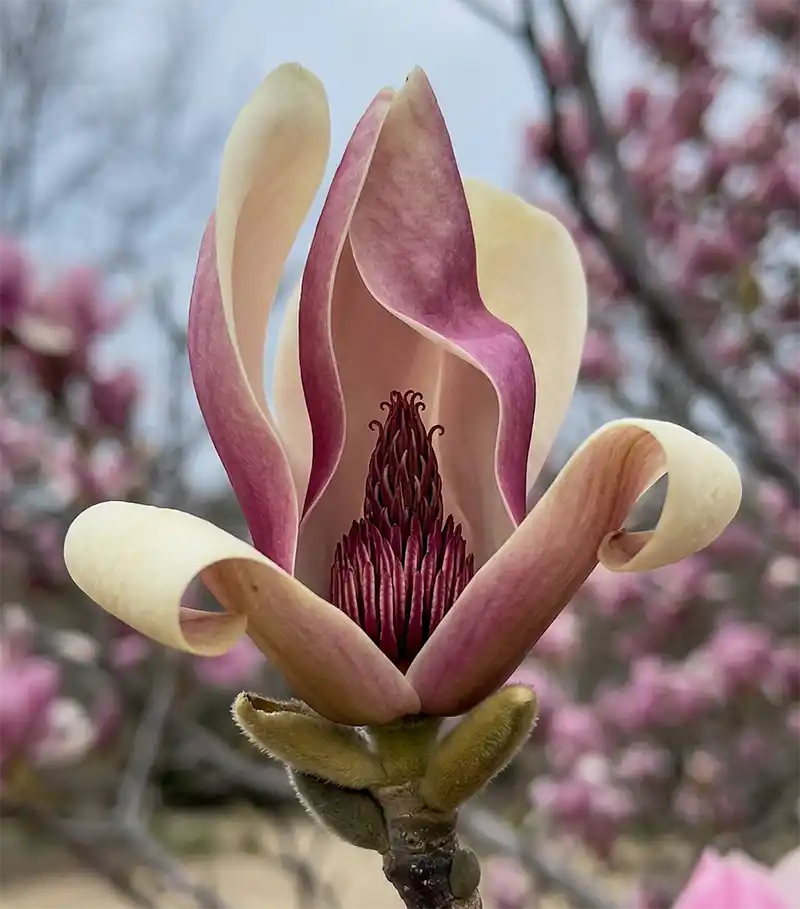
For centuries, various parts of the magnolia tree have been utilized in traditional wellness practices. While herbalists often use the tree’s bark for stronger remedies, the delicate flowers and unopened buds possess their own gentle, health-supporting properties.
- Rich in Antioxidants: Like many edible flowers, magnolia petals contain natural antioxidants. These compounds help your body fight off free radicals and support overall cellular health.
- Respiratory and Sinus Support: In traditional practices, the buds and petals have long been steeped in warm water to help soothe minor respiratory issues, clear mild sinus congestion, and ease the discomfort of seasonal allergies.
- Digestive Aid: The natural essential oils inside the petals—which give them their strong flavor—can help stimulate digestion when eaten in small, moderate amounts.
- Calming Effects: Drinking tea made from magnolia buds or petals is often used to promote relaxation and reduce mild, everyday stress, thanks to the soothing natural plant compounds found within them.
What Do They Taste Like?
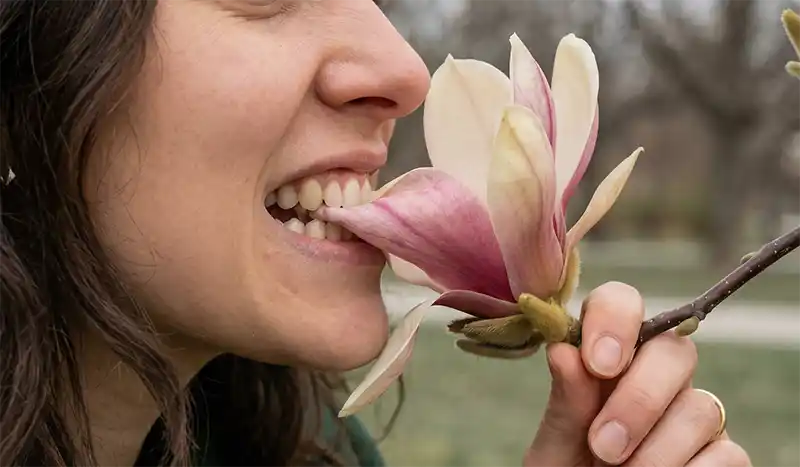
Before you start cooking, it helps to know what to expect. Magnolia petals do not taste the way they smell. Their flavor is surprisingly bold and complex, meaning they are usually treated more like a spice than a standard vegetable.
- Ginger and Spice: The most dominant flavor note is a strong, spicy kick that tastes very similar to fresh ginger or cardamom.
- Citrus Notes: Many magnolia varieties also carry a bright, zesty lemon or grapefruit flavor.
- Floral Undertones: Underneath the spice and citrus, there is a mild floral sweetness that rounds out the taste.
Homemade Uses in the Kitchen
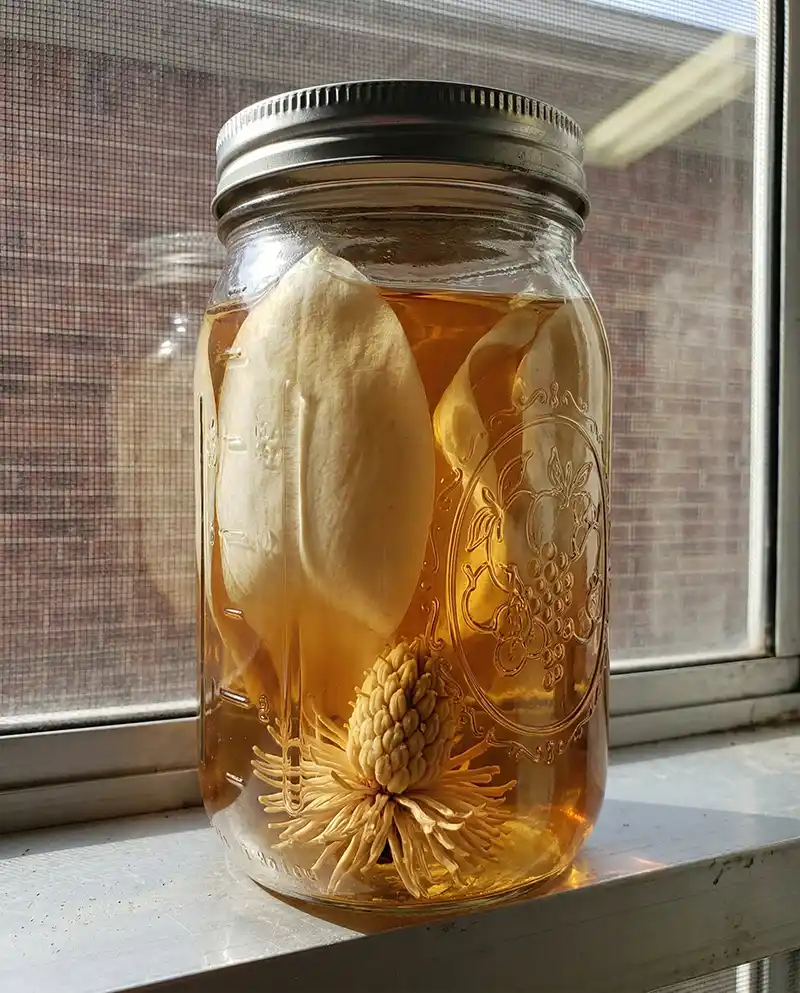
Bringing magnolia into your kitchen is easy and requires no special equipment. Because the flavor is quite strong, a little goes a long way. Here are the most popular, simple ways to use the flowers at home:
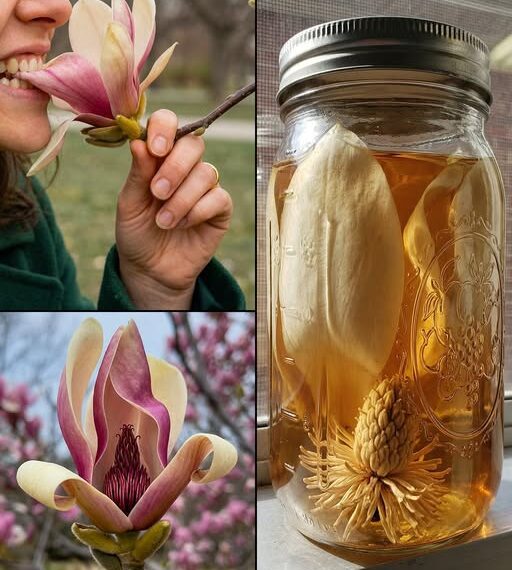
- Pickled Magnolia Petals: This is the most famous and practical way to preserve the flowers. Pack fresh, clean petals into a glass jar. Boil a simple brine of equal parts water and mild vinegar (like apple cider or rice vinegar), along with a pinch of salt and sugar. Pour the hot brine over the petals and let it cool. In a few days, you will have a tangy, ginger-like condiment that is fantastic on sandwiches, with rice dishes, or served alongside cold meats.
- Magnolia Infused Syrup: You can capture the floral and ginger notes by making a simple syrup. Simmer equal parts water and sugar until dissolved, pour the hot mixture over a jar of roughly chopped petals, and let it steep overnight in the fridge. Strain out the petals the next day, and you have a unique, sweet syrup to flavor sodas, iced teas, or morning pancakes.
- Fresh in Salads: If you want a spicy, crunchy addition to a spring salad, simply tear fresh petals into small pieces and toss them in. Because the flavor is potent, use them sparingly, much like you would use sliced radishes or raw red onions.
- Magnolia Tempura: If you enjoy fried foods, whole magnolia petals can be dipped in a light, ice-cold tempura batter and fried briefly in hot oil until crispy. The heat mellows the strong ginger flavor, turning the petals into an incredible, delicate appetizer.
- Magnolia Tea: For a soothing drink, steep fresh or dried magnolia buds and petals in hot water for about five to ten minutes. Add a touch of honey to balance the spicy, earthy flavor.
Safety and Foraging Guidelines
While the flowers are safe for the vast majority of people, it is incredibly important to follow a few basic rules when harvesting your own wild food.
- Positive Identification: Always be absolutely certain you are harvesting from a true magnolia tree. If you are unsure of the plant’s identity, do not eat it.
- Avoid Chemicals: Never pick flowers from trees that have been sprayed with pesticides, herbicides, or other lawn chemicals. Avoid foraging near busy roadsides where vehicle exhaust can coat the plants.
- Eat Only the Flowers: Stick exclusively to the buds and the petals. Do not consume the bark, leaves, or the hard, woody center cones of mature flowers.
- Start Small: As with any new food you introduce to your diet, start by eating a very small amount. This allows you to ensure you do not have an unexpected allergic reaction or stomach sensitivity.
- Harvest Responsibly: Never strip a tree completely bare of its blooms. Take only what you need for your recipe, and leave plenty of flowers for the local bees and for others to enjoy.