Strawberries are one of the most rewarding fruits you can grow at home. They offer a much sweeter and richer flavor than anything you can buy in a grocery store. Whether you have a sprawling backyard garden or just a tiny sunny balcony, growing your own strawberries is highly achievable. This guide covers the essential steps, best methods, and professional tricks to help anyone grow strong, healthy strawberry plants from the very beginning all the way to a heavy harvest.
Choosing the Best Growing Method
Strawberries are highly adaptable. Here is how you can grow them based on your available space:
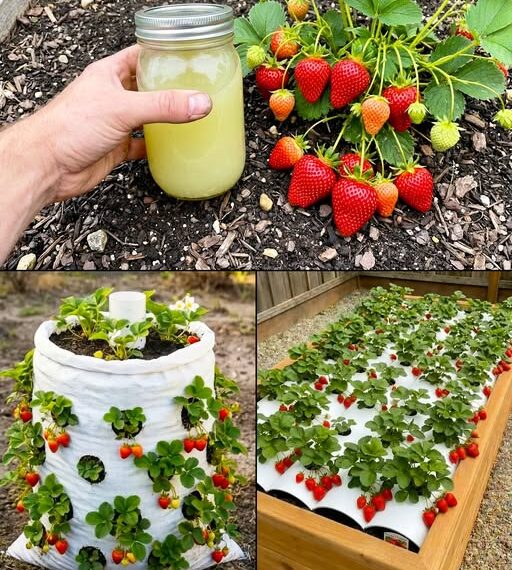
- Traditional Garden Beds: This is the best method if you have plenty of outdoor space. Planting them in raised dirt beds is highly recommended. Raised beds improve water drainage and keep the soil warmer in the spring, which helps the plants wake up earlier.
- Containers and Pots: Perfect for patios, porches, or balconies. Because strawberries have a shallow root system, they do not need massive pots. A pot that is 10 to 12 inches deep is plenty. Just ensure the container has drainage holes at the bottom so the roots do not sit in water.
- Vertical Growing Towers: These are excellent for maximizing small spaces. Vertical towers stack plants on top of each other. This setup keeps the fruit completely off the ground, greatly reducing the risk of soil-born rot and making the berries much harder for ground pests like slugs to reach.
The Growing Process: Seed to Harvest
Follow these steps to establish healthy plants that produce sweet fruit:
- 1. Starting Your Plants: While you can absolutely start strawberries from seeds, it requires patience. Seeds should be started indoors 10 to 12 weeks before your last frost date. They need plenty of light and consistent moisture to sprout. For a faster harvest, most home growers choose to buy “bare-root” crowns or small starter plants from a nursery.
- 2. Preparing the Soil: Strawberries thrive in loose, well-draining soil that is slightly acidic. Before planting, mix in a generous amount of rich compost to provide the nutrients the plants will need throughout the season.
- 3. Perfect Planting Depth: This is the most critical step. Dig a hole wide enough to spread the roots out. You must plant the strawberry exactly at the right depth: the “crown” (the thick part where the green leaves meet the brown roots) must sit directly level with the soil surface. If you bury the crown, it will rot. If the roots are exposed, the plant will dry out and die.
- 4. Sunlight and Watering: Place your plants in full sun, meaning they need at least 6 to 8 hours of direct, bright sunlight every day. Water them deeply and regularly, aiming for about 1 to 2 inches of water per week. Always water at the base of the plant near the soil. Getting the leaves wet can invite fungal diseases.
- 5. Feeding the Plants: Use a balanced, organic fertilizer when you first plant them. Feed them a second time after they finish producing fruit for the year; this helps them build up energy to survive the winter and produce again next spring.
- 6. The Harvest: Pick your strawberries only when they are fully red all the way to the top. Unlike tomatoes or bananas, strawberries will not continue to ripen or get sweeter after they are picked from the plant. Harvest them in the cool morning hours and pinch off a small piece of the green stem with the berry to help them stay fresh longer.
Pro Tips and Tricks for Maximum Yields
To elevate your strawberry growing game, try these professional techniques:
- Apply Heavy Mulch: Place a thick layer of clean straw or pine needles around the base of the plants. This simple trick keeps the delicate fruit off the wet dirt, holds moisture in the ground during hot days, and stops weeds from stealing nutrients.
- Pinch the First Blossoms: If you are growing the “June-bearing” type of strawberry, pluck off all the white flowers during their very first year in the ground. It is hard to do, but this forces the plant to spend all its energy growing a massive root system instead of making a few berries. The result will be a huge, heavy harvest in the second year.
- Manage the Runners: Strawberry plants reproduce by sending out long, creeping stems called “runners” to create baby plants. If you let the plant make too many babies, it will become exhausted and produce very few berries. Snip off most of these runners with sharp scissors to keep the mother plant focused on making fruit.
- Defend Against Pests: Birds, squirrels, and bugs love strawberries as much as humans do. Cover your garden beds or pots with fine bird netting as soon as the green fruit starts turning white and pink.
- Rotate and Replace: Strawberry plants naturally lose their energy and produce fewer berries after 3 or 4 years. Plan ahead by letting a few runners take root in year three to replace the older plants, and always move your strawberry patch to a new section of the garden every few years to avoid diseases building up in the soil.