
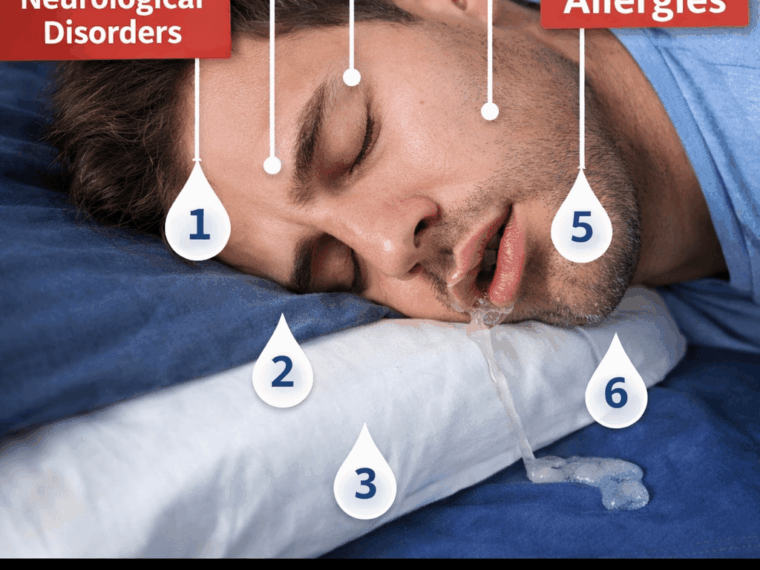
Waking up to a damp pillow can feel embarrassing and frustrating, especially if it happens night after night. Many people assume it’s just a quirky habit or the result of sleeping in the wrong position, but frequent drooling during sleep can sometimes point to everyday factors or underlying issues that deserve attention. The good news is that understanding the possible reasons empowers you to make simple changes and know when it’s time to talk with a healthcare professional.
In this guide, we’ll explore six common conditions linked to nighttime drooling, share practical tips you can try right away, and help you decide what steps to take next. Stick around until the end for surprising lifestyle adjustments that many people overlook.

What Causes Drooling While Sleeping?
During sleep, your swallowing reflex naturally slows down and your facial muscles relax. This combination allows saliva to pool in the mouth instead of being swallowed as it usually is when you’re awake. For most people, a little moisture on the pillow occasionally is completely normal. But when it becomes a regular occurrence, it may stem from increased saliva production, difficulty keeping the mouth closed, or mouth breathing.
Research shows that certain health factors can make this more noticeable. Studies and clinical observations from sources like the Cleveland Clinic and Sleep Foundation highlight how everything from nasal congestion to digestive issues can play a role. Let’s break down the six most common conditions associated with frequent nighttime drooling.
1. Allergies and Sinus Problems
Seasonal allergies, chronic sinus congestion, or a lingering cold often force you to breathe through your mouth at night. When nasal passages are blocked, air flows through the mouth, keeping it slightly open and allowing saliva to escape more easily.
Many people notice this worsens during allergy season or after catching a respiratory infection. The inflammation can also stimulate extra saliva production as your body tries to protect the throat and mouth. If you also experience sneezing, itchy eyes, or a runny nose during the day, this could be a key clue.
- Common signs that allergies or sinus issues may be involved:
- Morning headaches or facial pressure
- Frequent nasal congestion that improves during the day
- Post-nasal drip that feels worse when lying down

2. Gastroesophageal Reflux Disease (GERD)
Acid reflux doesn’t just cause heartburn. When stomach acid flows back into the esophagus, it can irritate the throat and trigger increased saliva production—a natural defense mechanism your body uses to neutralize the acid.
People with GERD often wake up with a sour taste in their mouth or notice more drooling alongside other symptoms like chest discomfort or difficulty swallowing. Because these episodes can happen more easily when lying flat, nighttime drooling becomes a noticeable side effect for some.
Here’s why this connection matters: Addressing reflux symptoms through small daily habits can sometimes reduce the drooling without major changes.
3. Obstructive Sleep Apnea
One of the more important conditions to consider is obstructive sleep apnea (OSA). When breathing pauses repeatedly during the night, the body often compensates by switching to mouth breathing. This open-mouth position, combined with relaxed muscles, makes drooling more likely.
Many people with sleep apnea report loud snoring, daytime fatigue, or waking up gasping for air—along with that familiar wet pillow. Studies indicate that mouth breathing during apnea episodes contributes significantly to excessive saliva leakage at night.
If your partner mentions snoring or you feel unusually tired despite a full night’s sleep, this deserves a closer look.
4. Infections of the Mouth, Throat, or Tonsils
Tonsillitis, strep throat, sinus infections, or even dental issues like cavities or gum inflammation can increase saliva flow as your body fights the infection. Swelling in the throat or mouth makes swallowing uncomfortable, so saliva builds up and may spill out during sleep.
These situations are often temporary. Once the infection clears, the drooling typically improves. However, recurring infections may signal a need for further evaluation.

5. Certain Medications and Their Side Effects
Some prescription medications, including certain antipsychotics, Alzheimer’s treatments, or even specific antibiotics, list increased saliva production as a possible side effect. If you recently started a new medication and noticed more drooling at night, it’s worth checking the label or discussing it with your doctor.
Never stop or adjust medications on your own, but a simple conversation can often lead to alternatives or timing adjustments that help.
6. Neurological or Muscle Control Factors
In some cases, conditions that affect muscle control or nerve function can make it harder for the mouth and throat muscles to manage saliva effectively during sleep. Examples discussed in medical literature include Parkinson’s disease, history of stroke, or other neurological factors that influence swallowing.
These situations often come with other noticeable changes in movement, speech, or daily function. Early awareness allows for better management and support from healthcare providers.
But that’s not the whole picture. Many people experience a mix of these factors, and simple lifestyle habits can make a surprising difference while you explore the root cause.

Practical Tips You Can Try Tonight
Here are actionable steps that many people find helpful for reducing nighttime drooling:
- Adjust your sleep position: Try sleeping on your back with your head slightly elevated using an extra pillow. This can encourage nasal breathing and reduce saliva pooling.
- Clear your nasal passages: Use a saline nasal spray or rinse before bed if congestion is an issue. A humidifier in the bedroom can also keep airways moist and comfortable.
- Watch your evening habits: Avoid heavy meals, spicy foods, or caffeine close to bedtime if reflux tends to flare up. Elevating the head of your bed by a few inches may also help.
- Stay hydrated but time it right: Drink enough water during the day, but reduce intake in the hour before sleep to avoid excess fluid.
- Maintain good oral care: Brush and floss regularly, and schedule dental check-ups. Healthy teeth and gums support better saliva control.
Small changes like these often bring noticeable improvement within a few nights.

When Should You Talk to a Doctor?
Occasional drooling is usually harmless. However, if it happens frequently and comes with symptoms like loud snoring, daytime sleepiness, persistent heartburn, difficulty swallowing, or unexplained fatigue, it’s a good idea to consult a healthcare professional. They can help identify whether further evaluation, such as a sleep study or allergy testing, would be beneficial.
Early conversations often lead to simple solutions that improve both sleep quality and daily comfort.
FAQ
Is drooling while sleeping always a sign of a serious problem?
No. For many people, it’s related to temporary factors like allergies, sleep position, or a mild cold. Persistent or worsening drooling with other symptoms is what warrants professional attention.
Can changing my pillow or mattress help?
Sometimes. A supportive pillow that keeps your head aligned and slightly elevated can encourage better breathing and reduce mouth opening during sleep.
Will this go away on its own?
It depends on the cause. Temporary issues like seasonal allergies or infections often improve as the underlying trigger resolves. Ongoing concerns may benefit from targeted lifestyle adjustments or medical guidance.
Final Thoughts
Waking up to a wet pillow doesn’t have to be your normal. By paying attention to patterns and making a few thoughtful changes, most people can reduce nighttime drooling and enjoy drier, more comfortable mornings. Listen to your body, track any accompanying symptoms, and don’t hesitate to reach out to a trusted healthcare provider when something feels off.
Your sleep matters—and understanding these common connections is a positive first step toward better rest.
Disclaimer: This article is for informational purposes only and is not a substitute for professional medical advice, diagnosis, or treatment. Always consult with a qualified healthcare provider regarding any health concerns or before making changes to your routine.