
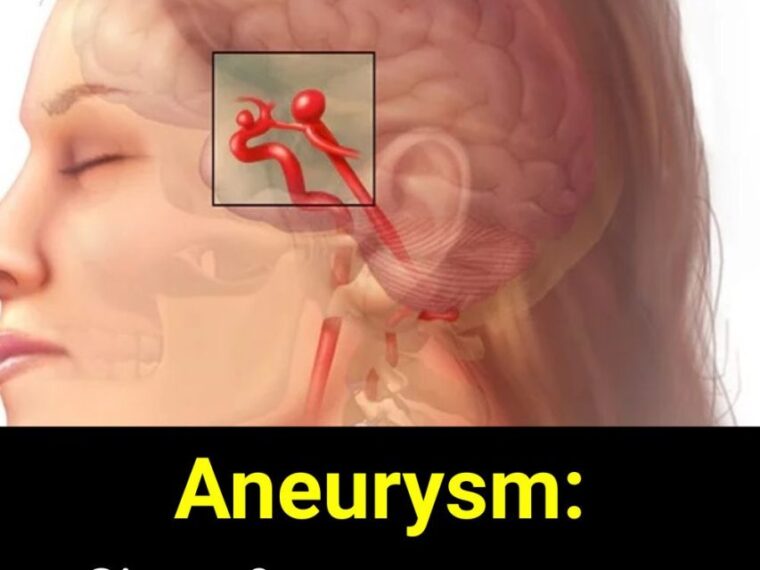
A brain aneurysm is a weak or bulging area in the wall of a blood vessel in the brain. Many people imagine that a serious brain condition would always cause obvious warning signs, but that is not always true. Some aneurysms can remain “silent” for years, meaning they do not cause clear symptoms until they become larger, press on nearby nerves, or rupture. This is one reason awareness matters: not to create fear, but to help people recognize when medical attention may be needed.
Why Can an Aneurysm Be Silent?
Many unruptured brain aneurysms are small. When they are not pressing on brain tissue or nearby nerves, a person may feel completely normal. In fact, some are discovered by accident during imaging tests done for another reason, such as headaches, injury, or another medical concern. The Brain Aneurysm Foundation notes that unruptured aneurysms usually have no symptoms and are often found incidentally.
This silent nature can make aneurysms difficult to detect early. A person may go about daily life without knowing that a blood vessel has weakened. However, “silent” does not always mean harmless. Some aneurysms may grow over time, and a small number can rupture, causing bleeding around the brain. A ruptured brain aneurysm is a medical emergency.
Possible Symptoms of an Unruptured Aneurysm

Although many unruptured aneurysms do not cause symptoms, larger ones may press on nerves or brain tissue. Possible warning signs can include pain above or behind one eye, a dilated pupil, double vision, changes in vision, numbness on one side of the face, or seizures. Mayo Clinic lists these as possible symptoms when an unruptured aneurysm affects nearby structures.
These symptoms can also be caused by other conditions, so they do not automatically mean someone has an aneurysm. Still, sudden or unusual neurological symptoms should not be ignored, especially if they are new, intense, or worsening.
When Symptoms Become an Emergency
The most dangerous situation is a ruptured aneurysm. A sudden, severe headache is one of the most important warning signs. Some people describe it as the worst headache they have ever experienced. Other emergency symptoms may include nausea, vomiting, stiff neck, sensitivity to light, confusion, vision changes, seizure, weakness, or loss of consciousness. The American Stroke Association warns that a sudden intense headache may signal a ruptured aneurysm and requires immediate medical attention.
Stroke-like symptoms should also be treated urgently. The CDC advises calling emergency services right away for sudden numbness or weakness, confusion, trouble speaking, vision trouble, trouble walking, dizziness, loss of balance, or a sudden severe headache with no known cause.
Who May Be at Higher Risk?

Some factors may raise the risk of developing a brain aneurysm or experiencing complications. These can include family history, smoking, high blood pressure, certain inherited conditions, and age-related weakening of blood vessels. Not everyone with risk factors will develop an aneurysm, and not every aneurysm will rupture. However, people with a strong family history or concerning symptoms should speak with a healthcare professional about whether screening or monitoring is appropriate.
Why Awareness Matters
Silent aneurysms are frightening because they may not announce themselves clearly. But awareness should lead to informed action, not panic. Knowing the difference between everyday discomfort and serious warning signs can help people respond faster when something feels wrong.
If you experience a sudden severe headache, fainting, seizure, sudden weakness, vision changes, confusion, or trouble speaking, seek emergency care immediately. For ongoing concerns, family history, or unusual symptoms, talk with a doctor. Early evaluation can make a major difference when it comes to brain health.