
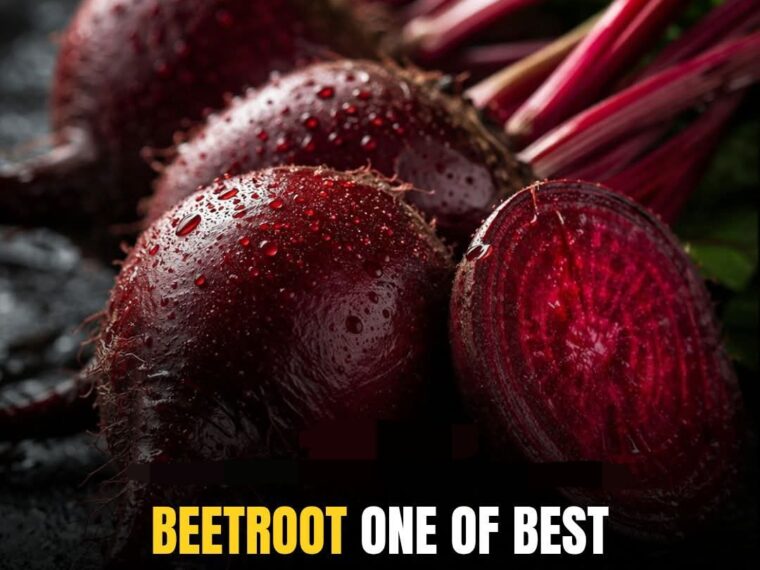
Beetroot: A Natural Way to Support Healthy Blood Pressure
When it comes to protecting your heart and maintaining healthy blood pressure, nature offers some powerful solutions. Among them, beetroot stands out as one of the most effective and nutrient-rich foods you can add to your daily routine. Known for its deep red color and earthy flavor, beetroot is more than just a vegetable—it’s a natural ally for cardiovascular health.
Why Blood Pressure Matters
Blood pressure plays a crucial role in overall health. When it remains consistently high, it can put extra strain on the heart and blood vessels, increasing the risk of serious conditions such as heart disease and stroke. While medication may be necessary in some cases, lifestyle choices—especially diet—are key to prevention and long-term management.
This is where beetroot comes in.
The Power of Natural Nitrates
One of the main reasons beetroot is so beneficial lies in its high content of natural nitrates. When you consume beetroot, your body converts these nitrates into nitric oxide—a molecule that plays a vital role in vascular health.
Nitric oxide helps:
- Relax and widen blood vessels
- Improve blood flow and circulation
- Reduce pressure within the arteries
As a result, the heart doesn’t have to work as hard to pump blood throughout the body. This simple biological process can lead to noticeable improvements in blood pressure over time.
A Nutrient-Dense Superfood
Beyond nitrates, beetroot is packed with essential nutrients that support heart health:
- Potassium – Helps balance sodium levels and supports normal blood pressure
- Fiber – Aids digestion and contributes to lower cholesterol levels
- Antioxidants (betalains) – Protect cells from oxidative stress and inflammation
- Folate (Vitamin B9) – Supports healthy blood vessels and red blood cell formation
- Vitamin C – Strengthens the immune system and supports overall wellness
This combination makes beetroot a well-rounded food for both cardiovascular and general health.
Benefits Beyond Blood Pressure
While beetroot is especially known for its impact on blood pressure, its benefits go even further:
1. Improved Circulation
Better blood flow means more oxygen and nutrients are delivered throughout the body, supporting energy levels and organ function.
2. Enhanced Exercise Performance
Some studies suggest that beetroot juice may improve stamina by increasing oxygen efficiency during physical activity.
3. Anti-Inflammatory Effects
The antioxidants in beetroot help reduce inflammation, which is a key factor in many chronic diseases.
4. Digestive Support
Thanks to its fiber content, beetroot promotes a healthy digestive system and gut balance.
Easy Ways to Add Beetroot to Your Diet
Incorporating beetroot into your meals doesn’t have to be complicated. Here are a few simple and delicious ideas:
- Fresh juice – Blend beetroot with apple, carrot, or ginger for a refreshing drink
- Roasted beetroot – Toss with olive oil and herbs for a flavorful side dish
- Salads – Add grated or sliced beetroot to green salads
- Smoothies – Combine with fruits for a nutrient-packed boost
- Soups – Use beetroot as a base for hearty, warming dishes
Consistency is more important than quantity—small, regular servings can bring lasting benefits.
A Simple Habit with Lasting Impact
Improving your health doesn’t always require drastic changes. Sometimes, it’s the small, consistent habits that make the biggest difference. Adding beetroot to your diet is one of those simple steps that can support better blood pressure, improved circulation, and overall heart health.
Final Thoughts
Beetroot is a powerful example of how natural foods can support the body in meaningful ways. Rich in nitrates, antioxidants, and essential nutrients, it offers a gentle yet effective approach to maintaining healthy blood pressure and promoting long-term wellness.
By making beetroot a regular part of your meals, you’re not just adding color to your plate—you’re investing in your heart and your future health.