Building a Greenhouse from Scratch for Your Garden 🌱🏡
A Practical Step-by-Step Guide for Beginners and Home Gardeners
A greenhouse is one of the best investments a gardener can make. It allows you to extend the growing season, start plants earlier, protect crops from harsh weather, and grow vegetables, herbs, and flowers that wouldn’t survive outdoors.
Building a greenhouse from scratch may sound complicated, but with the right planning and materials, it’s completely achievable—even for beginners.
🌞 Why Build a Greenhouse?
A greenhouse helps you:
- Grow plants year-round
- Start seeds earlier in the season
- Protect crops from frost, wind, and heavy rain
- Control temperature and humidity
- Increase plant survival and yields
It turns gardening into a more reliable and rewarding experience.
📍 Step 1: Choose the Right Location
Location is critical for greenhouse success.
Best Placement Tips:
- Choose a spot with 6–8 hours of direct sunlight
- Face the greenhouse south or southeast
- Avoid shade from trees or buildings
- Ensure good drainage
- Place near a water source
A sunny, level area will save you problems later.
📏 Step 2: Decide on Size and Design
Before buying materials, decide how you’ll use the greenhouse.
Common Greenhouse Sizes:
- Small: 6×8 ft (seed starting, herbs)
- Medium: 8×12 ft (vegetables, flowers)
- Large: 10×20 ft or more (serious growing)
Popular Designs:
- Lean-to greenhouse
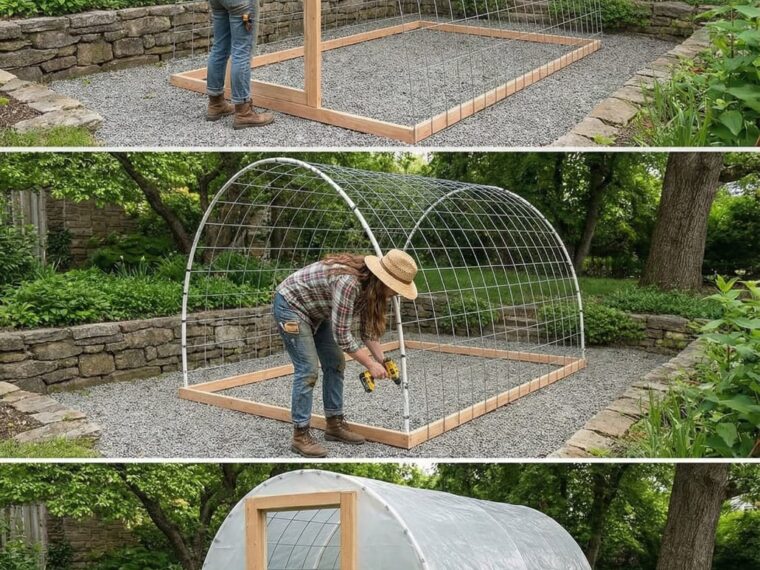
- Hoop house
- A-frame greenhouse
- Gable greenhouse
Choose a design that fits your space, climate, and budget.
🧱 Step 3: Build a Solid Foundation
A strong foundation improves stability and heat retention.
Foundation Options:
- Pressure-treated wood frame
- Concrete blocks
- Poured concrete slab
- Gravel base (budget option)
Ensure the foundation is level and well-anchored.
🏗️ Step 4: Construct the Frame
The frame supports the entire structure.
Frame Materials:
- Wood (easy to work with, affordable)
- PVC pipes (cheap, lightweight)
- Metal (durable, weather-resistant)
Secure joints tightly and reinforce corners for wind resistance.
🪟 Step 5: Choose Greenhouse Covering
The covering controls light, heat, and insulation.
Covering Options:
- Polyethylene plastic (cheap, easy to replace)
- Polycarbonate panels (durable, insulated)
- Glass (excellent light, expensive, fragile)
Polycarbonate is ideal for most home gardeners.
🌬️ Step 6: Add Ventilation
Ventilation prevents overheating and disease.
Ventilation Options:
- Roof vents
- Side vents
- Doors that open fully
- Small exhaust fans (optional)
Good airflow keeps plants healthy.
💧 Step 7: Install Watering & Drainage
Water access is essential.
Options:
- Hand watering
- Drip irrigation
- Soaker hoses
- Rainwater collection
Make sure excess water can drain away easily.
🌡️ Step 8: Temperature Control
Greenhouses can get very hot or very cold.
Heating Options:
- Passive solar heat
- Thermal mass (water barrels, stones)
- Electric or gas heaters (cold climates)
Cooling Options:
- Shade cloth
- Ventilation
- Evaporative cooling
Balance is key.
🪴 Step 9: Interior Setup
Organize the inside for efficiency.
Interior Ideas:
- Raised beds
- Shelving for seedlings
- Hanging baskets
- Potting bench
- Thermometer and humidity gauge
Plan walkways for easy access.
🌿 What Can You Grow?
A greenhouse allows you to grow:
- Seedlings and transplants
- Tomatoes, peppers, cucumbers
- Herbs year-round
- Leafy greens in winter
- Flowers and ornamentals
It expands your growing possibilities dramatically.
⚠️ Common Mistakes to Avoid
- Poor ventilation
- Inadequate sunlight
- Weak foundation
- Overcrowding plants
- Ignoring temperature swings
Planning ahead prevents costly mistakes.
🌟 Final Thoughts
Building a greenhouse from scratch is a rewarding project that pays off season after season. With proper planning, good materials, and smart design, your greenhouse can become the heart of your garden.
It’s not just a structure—it’s a growing space that gives you control, consistency, and confidence as a gardener.