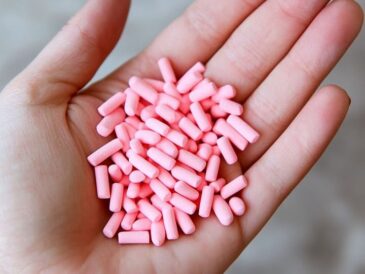
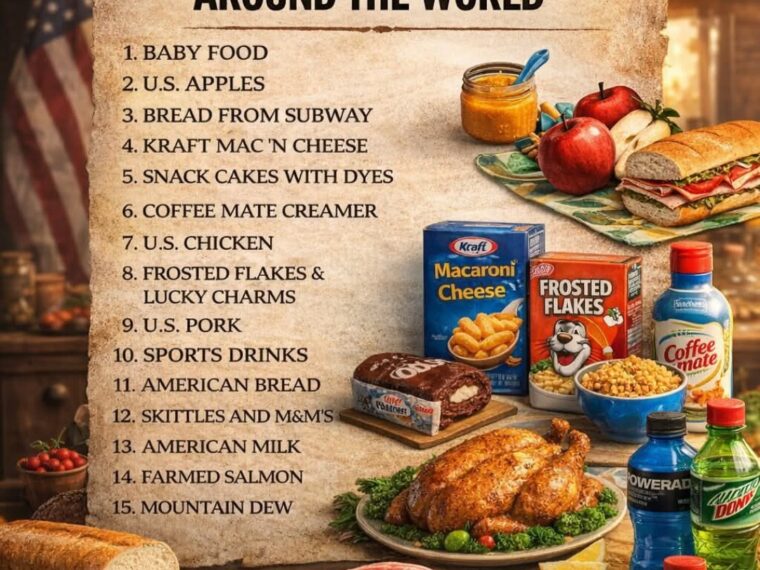
Did you know that many of the foods Americans enjoy are banned in other parts of the world? The list includes popular items like Kraft Mac ‘N Cheese, Skittles, and even baby food. Countries that prioritize public health have recognized the harmful additives and chemicals in these products, opting to protect their citizens from long-term health risks.
The bans on these foods shed light on the discrepancies between what’s deemed acceptable in the U.S. and what other countries are willing to tolerate. It raises questions about the influence of food industries on health policies and the extent to which companies prioritize profit over public well-being.
This list is a powerful reminder to be more mindful of what we put into our bodies. It’s essential to consider the long-term effects of the foods we consume and to advocate for greater transparency and healthier options in the food industry. 🥗🌍
Did You Know That Many Foods Americans Enjoy Are Banned in Other Parts of the World?
Walk through any American supermarket and you’ll find colorful snacks, packaged breads, sodas, and ready-to-eat meals that millions of people consume every day. What many don’t realize is that some of these same foods — or the ingredients used to make them — are restricted or outright banned in other countries.
This doesn’t mean all American food is unsafe. But it does raise important questions about food regulation, additives, and how different countries define “safe to eat.”
Why Foods Are Banned in Some Countries but Not Others
Food safety laws vary widely around the world. The key difference often lies in how risk is managed.
- United States: Ingredients are often allowed until proven harmful.
- European Union & some other regions: Ingredients must be proven safe before approval (the “precautionary principle”).
This difference explains why certain additives appear in U.S. foods but are restricted elsewhere.
Common Ingredients Allowed in the U.S. but Restricted Elsewhere
1. Certain Food Dyes 🎨
Artificial colorings used in candies, cereals, and drinks have been restricted or require warning labels in parts of Europe due to concerns about:
- Hyperactivity in children
- Potential behavioral effects
In the U.S., many of these dyes are still widely used.
2. Potassium Bromate in Bread 🍞
Potassium bromate has been used to improve dough texture and rise.
- Banned or heavily restricted in the EU, UK, and several other countries
- Still legal in the U.S., though many companies have voluntarily removed it
Animal studies have linked it to potential cancer risk.
3. Brominated Vegetable Oil (BVO) 🥤
Used in some citrus-flavored soft drinks to keep flavor evenly distributed.
- Restricted or banned in parts of Europe and Asia
- Historically allowed in the U.S., though its use has declined
Concerns center around bromine buildup in the body.
4. Certain Preservatives 🧪
Some preservatives used to extend shelf life have faced restrictions elsewhere due to potential links to:
- Hormonal disruption
- Allergic reactions
- Long-term health concerns
Different countries set different acceptable exposure limits.
5. Ractopamine in Meat 🥩
This growth-promoting drug has been banned or restricted in many countries due to animal welfare and health concerns.
The U.S. allows its use under regulated conditions.
Why These Differences Matter
The existence of bans elsewhere doesn’t automatically mean a food is dangerous — but it does highlight:
- Differences in safety standards
- Varying levels of caution
- The influence of industry and regulation
It also shows that food safety is not universally defined.
Are American Consumers at Risk?
For most people, occasional exposure to these ingredients is unlikely to cause immediate harm. Problems tend to arise with:
- Long-term, frequent consumption
- Diets heavy in ultra-processed foods
- Children, who may be more sensitive to additives
Health experts generally agree that diet quality matters more than any single ingredient.
How to Make Smarter Food Choices
You don’t need to panic or eliminate everything overnight. Instead:
- Read ingredient labels
- Choose whole and minimally processed foods
- Limit brightly colored, heavily packaged snacks
- Opt for brands that avoid controversial additives
- Cook more meals at home when possible
Simple choices can significantly reduce additive exposure.
The Bigger Picture
Food bans are not about fear — they’re about risk tolerance and regulatory philosophy.
Some countries choose caution.
Others choose flexibility.
Neither system is perfect, but being informed allows consumers to decide what they’re comfortable eating.
Final Thoughts
Many foods Americans enjoy contain ingredients that are banned or restricted elsewhere — not because they’re instantly toxic, but because other countries choose stricter safety margins.
Awareness is power.
When you understand what’s in your food, you gain control — not through fear, but through informed choice.