🌶️ Growing Peppers in a Cloth Bag at Home: A Simple Guide for Big Harvests in Small Spaces
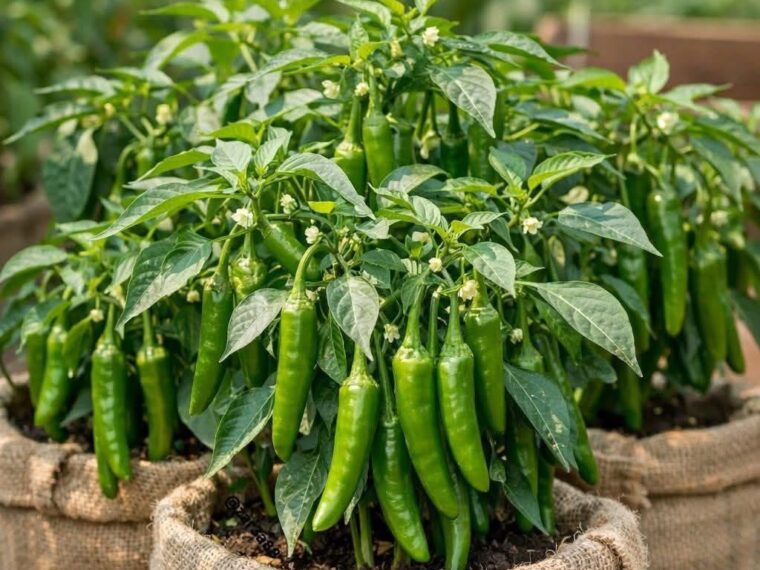
Growing your own peppers at home doesn’t require a large garden or expensive equipment. In fact, with just a simple cloth bag, you can cultivate healthy, productive pepper plants right on your balcony, rooftop, or even near a sunny window.
Cloth bag gardening is an affordable, space-saving, and highly effective way to grow fresh food—especially peppers, which thrive in warm, well-drained conditions.
🌱 Why Grow Peppers in a Cloth Bag?
Cloth grow bags (also known as fabric pots) offer several advantages over traditional containers:
✅ Better Drainage
The breathable fabric allows excess water to escape easily, preventing root rot—a common issue with plastic pots.
✅ Healthier Roots
Air circulation through the fabric encourages “air pruning,” which helps roots grow stronger and prevents them from circling.
✅ Temperature Control
Cloth bags don’t trap heat the way plastic containers do, keeping roots cooler in hot weather.
✅ Portable and Space-Friendly
You can easily move your plants to follow sunlight or protect them from harsh conditions.
🪴 What You’ll Need
- A cloth grow bag (15–25 liters is ideal)
- Quality potting soil
- Compost or organic fertilizer
- Pepper seeds or seedlings
- Watering can or spray bottle
- A sunny location (at least 6–8 hours of sunlight daily)
🌿 Choosing the Right Pepper Variety
Peppers grow well in containers, but some varieties are especially suitable:
- Sweet peppers (bell peppers)
- Chili peppers
- Compact or dwarf varieties
If you’re limited on space, choose smaller plants that still produce abundantly.
🌱 Step-by-Step Planting Guide
1. Prepare the Soil
Mix:
- 70% potting soil
- 30% compost
This ensures good drainage and nutrient availability.
2. Fill the Bag
Fill your cloth bag, leaving about 2–3 cm at the top for watering space.
3. Plant Your Peppers
- Seeds: Plant 1–2 cm deep
- Seedlings: Transplant carefully without disturbing roots
Water gently after planting.
☀️ Light and Temperature
Peppers love warmth and sunlight.
- Minimum: 6 hours of direct sun daily
- Ideal temperature: 20–30°C
If growing indoors, place them near a south-facing window.
💧 Watering Tips
- Keep soil consistently moist, not soggy
- Water when the top layer feels dry
- Cloth bags dry out faster, so check regularly—especially in hot weather
🌼 Feeding Your Plants
Peppers are moderate feeders.
- Add compost every 2–3 weeks
- Use a balanced liquid fertilizer if needed
- During flowering and fruiting, switch to a fertilizer higher in potassium
🌸 Pollination (Indoor Growing Tip)
If your peppers are indoors:
- Gently shake the plant
- Or use a small brush to transfer pollen between flowers
This helps improve fruit production.
🌶️ Supporting Growth
As your plant grows:
- Add a small stake or support stick
- Tie gently to prevent bending or breaking
🐛 Common Problems & Solutions
Yellow Leaves
- Overwatering or poor drainage
👉 Reduce watering and check soil
Few or No Fruits
- Lack of sunlight or pollination
👉 Increase light exposure or assist pollination
Pests (aphids, mites)
- Spray with water or mild soap solution
🧺 Harvesting Your Peppers
- Harvest when peppers reach full size and color
- Regular picking encourages more growth
- Use scissors to avoid damaging the plant
🌟 Tips for Success
- Rotate the bag for even sunlight
- Avoid overcrowding (1 plant per bag is ideal)
- Keep the area clean to prevent pests
- Mulch the surface to retain moisture
💚 Why This Method Works So Well
Growing peppers in a cloth bag combines simplicity with efficiency:
- No need for a garden
- Minimal investment
- High productivity in small spaces
It’s a perfect method for beginners and experienced gardeners alike.
🌿 Final Thoughts
Sometimes, growing your own food starts with the simplest setup—a bag, some soil, and a little care.
With the right attention, a single cloth bag can produce a steady supply of fresh, flavorful peppers right at home.
Small space. Simple method. Big rewards. 🌶️✨
If you want, I can also create:
- A step-by-step visual guide
- A short viral gardening post
- Or a seasonal planting calendar for Morocco 🌍