I was out in the backyard a few weeks ago, attempting to cut grass with my get old, broken-down lawnmower. My dog, a big, friendly golden retriever named Mochi, had stretched out under our oak tree, probably grateful that he didn’t have to lift a paw to help.
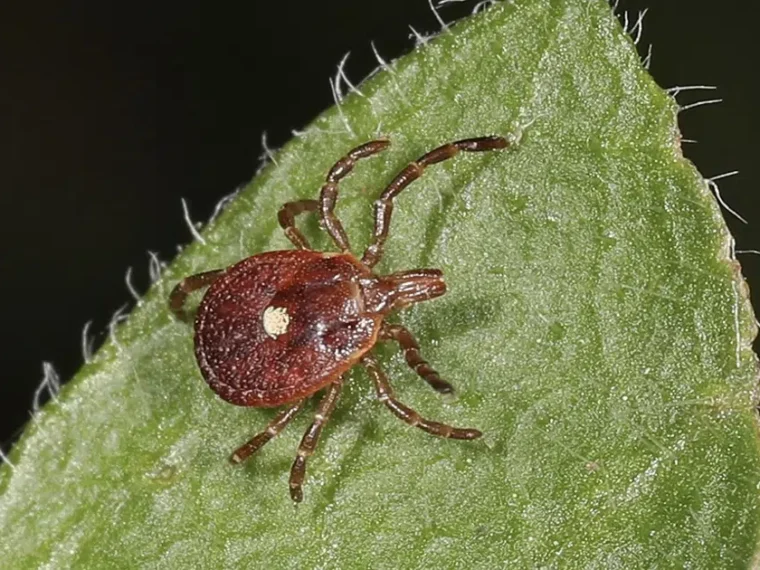
I recall having this itchy sensation, (I’m itching right now as I’m remembering it) almost like a tickle but not quite, on my ankle. At first I thought it was a mosquito. But when I looked down, I saw something very very alarming – a black speck that seemed to have no intention of ever flying away. Without even thinking about it, I slowly removed it from my skin. There it was, a lone star tick—unmistakable with its white spot.

I have always been someone who easily ignores almost all the discomforts that nature has to offer. Mosquito bites? Some lotion for the itch, and I’m good to go. Bee sting? Sure, it hurts, but nothing a bit of ice can’t improve. But ticks? When it comes to them, I can start screaming and crying at the same time. Not only that they’re completely DISGUSTING, they can introduce many health issues.
This was my first encounter with a tick, and it happened to be that dreaded lone star tick. If you’ve ever been faced with one yourself, you can only imagine the panic and terror accompanies it.

What is a Lone Star Tick?
First things first, let’s get to know our enemy. I wish I’d gone through my whole life without ever knowing anything about ticks, but alas, here we are. The lone star tick is not just any run-of-the-mill tick. It got its name from the single white spot on the dorsal side of the females, which is about the only cute thing about this creature(if we can even call it that). This tick is known to be quite vicious. Unlike some ticks that wait for a host to come close enough, the lone star tick actively searches for a host. It will actually SEEK YOU OUT (so creepy, makes me itch all over thinking about it). This is why it’s important to be aware of it, especially if you are in wooded or grassy area.

Firstly, Do Not Panic, but Act Quickly
The first thing to do when you come across a tick is to remain calm (Which I know I don’t. But who can judge me?!). Freaking out is not going to solve the problem and definitely won’t help you, which as you can guess I know from my own experience of freaking the F out. When you notice a lone star tick on your skin, remove it immediately. The longer it’s attached, the higher the chances of it spreading something unpleasant.
To remove the tick, you’ll need a pair of very fine-tipped tweezers. Hold the tick as close to the skin as possible, and then remove it slowly and gently by pulling it off. I once removed a lot (and when I say a lot, I mean A LOT) of ticks from my dog and it was one of the worst things I’ve done with my hands (LOL). Do not twist or jerk the tick. This could cause the mouthparts to break off and remain in your skin, creating another problem. After you remove the tick, wash the area with rubbing alcohol or soap and water. Do not crush the tick between your fingers, you really don’t want their diseases all over you (EW).

The Second Step Is to Monitor the Spot Closely
TO CONTINUE READING THE ARTICLE PLEASE SEE PAGE 2