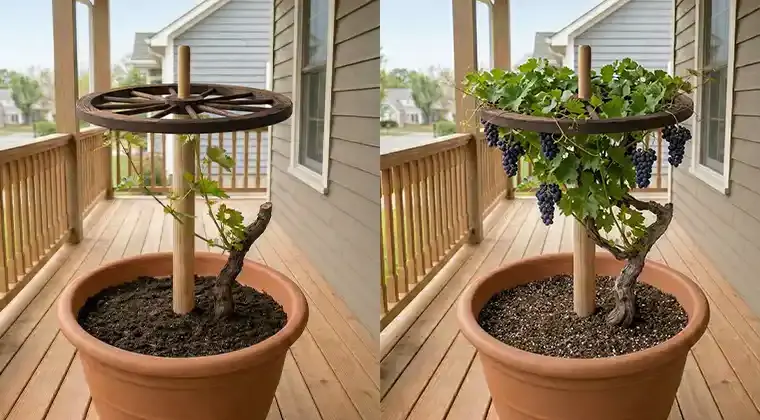
Growing grapes at home is a rewarding project that provides fresh fruit for eating, making juice, or simply enjoying straight off the vine. While grapevines can look wild and complicated, they are actually quite tough plants. By following some practical rules regarding planting, watering, and pruning, anyone can successfully grow nice grapes in their own backyard.
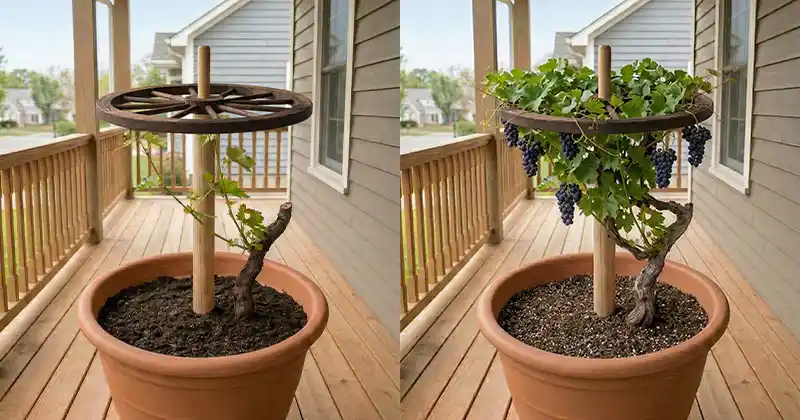
Here are the best tips and tricks to get you started on a healthy, productive homemade harvest.
Choosing the Right Plant
Before you dig a hole, you need to buy the right vine. Not all grapes grow well everywhere.
- Match your climate: Check your local weather zone and buy a grape variety known to survive your winters and thrive in your summers.
- Decide on the purpose: Table grapes are best for fresh eating and have thin skins. Wine grapes have thicker skins and more seeds. Make sure you buy the type you actually want to consume.
- Look for disease resistance: Some varieties are naturally strong against common plant sicknesses like mildew. Ask your local nursery for the toughest varieties they carry.
Finding the Perfect Location
Grapes need specific conditions to produce sweet fruit. Placing them in the wrong spot will lead to poor harvests.
- Maximize sunlight: Grapevines need full sun. Choose a spot that gets at least seven to eight hours of direct sunlight every day. Sun exposure is what creates the sugars in the fruit.
- Ensure good drainage: Grapes hate sitting in muddy water. Plant them in soil that drains well. If your yard has heavy clay, mix in compost to lighten the soil, or consider planting on a slight slope.
- Allow for airflow: Do not plant vines tight against a solid building or crowded by big trees. Good air moving through the leaves helps dry them off after rain, which prevents mold and fungus.
Planting and Support
Grapevines are heavy and they naturally want to climb. You must give them a structure to hold onto right from the start.
- Build a strong trellis: Before planting, put up a sturdy fence, an arbor, or a heavy wire trellis. A mature grapevine holding pounds of fruit is very heavy, so use thick wood and strong wire.
- Dig a wide hole: Dig a hole that is twice as wide as the plant’s root ball, but keep it at the same depth. This loose dirt helps the young roots spread out easily.
- Space them out: If you are planting more than one vine, keep them about six to eight feet apart. They need room to stretch their arms.
Watering and Feeding
Grapes are deep-rooted plants, meaning their care changes as they get older.
- Watering young vines: During the first year, water the plants deeply once a week to help them establish their root system.
- Watering older vines: Once established, grapevines are highly drought-tolerant. Only water them during long dry spells. Too much water right before harvest can actually water down the flavor of the grapes.
- Go easy on fertilizer: Grapes do not need a lot of plant food. A single application of a basic, balanced fertilizer in the early spring is usually enough. Too much fertilizer will grow lots of huge leaves but very little fruit.
The Golden Rule: Pruning
Pruning is the single most important secret to growing great grapes. Many beginners are afraid to cut their plants, but grapes require heavy trimming to produce fruit.
- Prune in late winter: Do your major cutting when the plant is completely dormant, usually in February or March before new green buds appear.
- Understand where fruit grows: Grapes only grow on one-year-old wood. That means the green shoots that grew last year will produce this year’s fruit. Older, thick brown bark will not grow grapes.
- Cut off up to 90 percent: A healthy vine needs to be cut back drastically. Leave only a few strong canes (branches) from last year, and remove the rest of the messy growth.
- Summer trimming: During the summer, you can snip away excess leaves that are blocking the sun from hitting the grape clusters. Sun directly on the fruit helps it ripen.
Protecting Your Crop
As your grapes start to turn sweet, you will not be the only one who wants to eat them.
- Use bird netting: Birds will ruin a crop in a single afternoon. When the grapes start changing color, drape special plastic bird netting over the vines to keep them away.
- Watch for bugs: Check the undersides of the leaves weekly for small bugs or caterpillars. Remove them by hand or wash them away with a strong spray from the garden hose.
- Keep the ground clean: Rake up any fallen leaves or rotting fruit from under the vine to stop pests and diseases from living in the soil over the winter.
Knowing When to Harvest
Color is not the only way to tell if a grape is ready to be picked.
- Do a taste test: The best way to know if grapes are ripe is to eat one. They should be sweet and easy to pull from the stem.
- Check the seeds: If the variety has seeds, bite into a grape. Ripe grapes generally have brown seeds, while unripe ones have green seeds.
- Cut, do not pull: When they are ready, use sharp scissors or garden clippers to cut the whole cluster off the vine. Pulling them by hand can tear the vine and damage the plant