
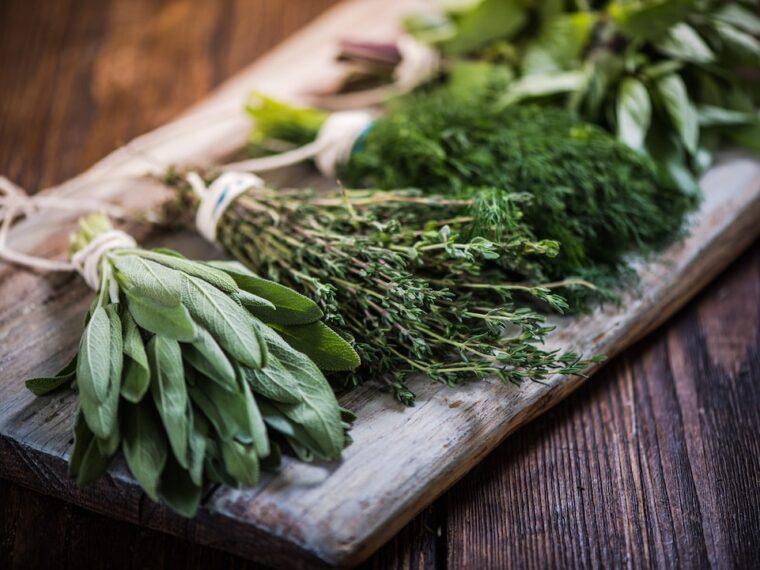
How to Preserve Herbs So They Stay Fresh and Healthy for Longer
Fresh herbs add flavor, aroma, and nutrition to meals—but they’re also some of the most delicate ingredients in the kitchen. Without proper care, herbs wilt, rot, or lose their potency within days. The good news? With the right preservation methods, herbs can stay fresh, flavorful, and beneficial for weeks or even months.
This guide covers the best ways to preserve herbs, depending on the type of herb and how you plan to use it.
First: Know Your Herbs (This Matters)
Herbs fall into two main categories:
Tender Herbs
- Basil
- Parsley
- Cilantro
- Dill
- Mint
These have soft stems and high moisture content.
Hardy Herbs
- Rosemary
- Thyme
- Sage
- Oregano
- Bay leaf
These have woody stems and are naturally longer-lasting.
Preservation works best when you match the method to the herb type.
Method 1: Refrigerator Storage (Short-Term Freshness)
For Tender Herbs (Best Method)
- Trim the stem ends
- Place herbs upright in a jar with a little water (like flowers)
- Loosely cover the tops with a plastic bag
- Store in the refrigerator
- Change the water every 2–3 days
Shelf life: 1–2 weeks
⚠️ Basil is the exception—store it at room temperature, not refrigerated.
For Hardy Herbs
- Wrap herbs loosely in a slightly damp paper towel
- Place in a breathable bag or container
- Store in the vegetable drawer
Shelf life: 2–3 weeks
Method 2: Freezing Herbs (Best for Long-Term Use)
Freezing preserves flavor and nutrients better than drying for many herbs.
Option A: Freezing Whole or Chopped
- Wash and dry herbs thoroughly
- Chop if desired
- Spread on a tray and freeze
- Transfer to freezer bags or jars
Best for: Parsley, dill, cilantro, chives
Option B: Herb Ice Cubes
- Chop herbs finely
- Place into ice cube trays
- Cover with water or olive oil
- Freeze and store
Perfect for soups, stews, and sauces.
Method 3: Drying Herbs (Traditional & Shelf-Stable)
Drying works best for hardy herbs.
Air Drying
- Tie small bundles with string
- Hang upside down in a dry, dark, ventilated area
- Allow to dry for 1–3 weeks
- Crumble and store in airtight jars
Oven or Dehydrator
- Use lowest heat setting
- Dry slowly to protect oils
Shelf life: Up to 1 year
Method 4: Preserving Herbs in Oil or Vinegar
Herb-Infused Oil
- Submerge clean, dry herbs in olive oil
- Store in the refrigerator
- Use within 2–4 weeks
⚠️ Always keep refrigerated to avoid bacterial growth.
Herb Vinegar
- Place herbs in vinegar
- Store in a sealed bottle
- Keeps for months at room temperature
Great for salad dressings and marinades.
Method 5: Salt Preservation (Flavor Booster)
- Chop fresh herbs
- Layer with coarse salt in a jar
- Store in the refrigerator
Salt draws out moisture and preserves flavor while creating a ready-to-use seasoning.
Common Mistakes to Avoid
❌ Storing wet herbs
❌ Sealing herbs airtight while fresh
❌ Using high heat to dry
❌ Mixing damaged herbs with fresh ones
❌ Leaving herbs near light and heat
Proper airflow and dryness are key.
How to Keep Herbs “Healthy,” Not Just Edible
- Harvest in the morning for peak oils
- Handle gently to avoid bruising
- Use clean tools and containers
- Label and date preserved herbs
Healthy herbs keep their color, aroma, and beneficial compounds longer.
Final Thoughts
Preserving herbs isn’t about making them last forever—it’s about respecting their nature. When stored correctly, herbs stay vibrant, aromatic, and nutritionally valuable long after harvest.
With a few simple techniques, you can enjoy garden-fresh flavor year-round.


