Signs That Tuna Salad Has Gone Bad
There are several indicators that tuna salad may no longer be safe to eat. A sour or off smell is a strong sign of spoilage. Changes in texture, such as a slimy or mushy consistency, can also indicate bacterial growth. Discoloration, particularly if the salad takes on a grayish hue, is another warning sign. If any of these signs are present, it is best to err on the side of caution and discard the salad.
Health Risks of Consuming Spoiled Tuna Salad
Eating spoiled tuna salad can lead to foodborne illnesses, which are caused by consuming contaminated food. Symptoms may include nausea, vomiting, diarrhea, abdominal cramps, and fever. In severe cases, food poisoning can lead to dehydration and require medical attention. The risk is particularly high for vulnerable populations such as young children, the elderly, and individuals with weakened immune systems.
Expert Opinions on Tuna Salad Shelf Life
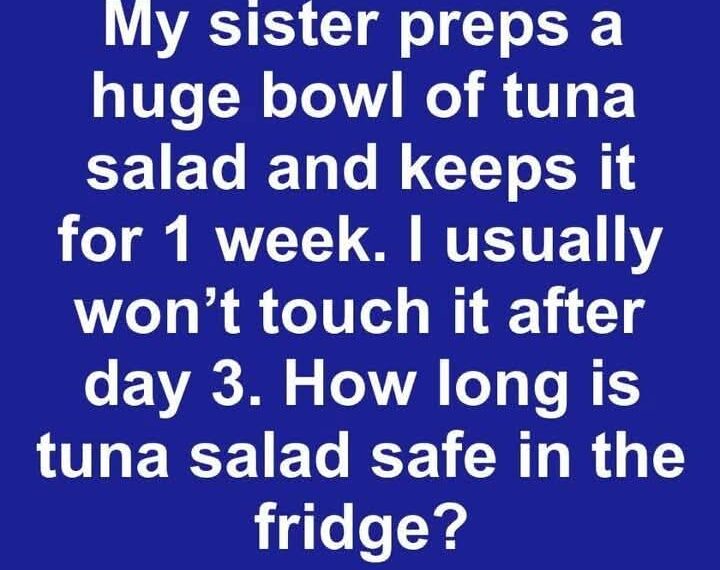
Food safety experts generally recommend consuming tuna salad within 3 to 5 days of preparation when stored properly in the refrigerator. This timeframe ensures that the salad remains safe to eat and retains its quality. Experts emphasize the importance of proper storage techniques, such as using airtight containers and maintaining a consistent refrigerator temperature, to extend the shelf life of perishable foods.
Conclusion: Best Practices for Tuna Salad Safety
To enjoy tuna salad safely, it is important to follow recommended storage practices and be vigilant for signs of spoilage. By consuming it within 3 to 5 days and storing it properly, you can reduce the risk of foodborne illness while enjoying a delicious and nutritious meal. When in doubt, trust your senses and prioritize safety over waste. Understanding the factors that affect the shelf life of tuna salad can help you make informed decisions and enjoy this popular dish with peace of mind.
I didn’t have the faintest idea.
Pages: 1 2