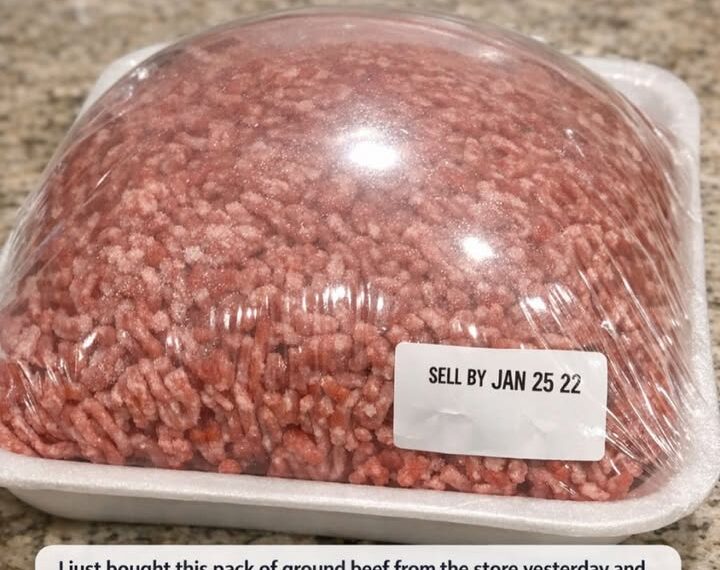
When you buy ground beef from the store, you expect it to be fresh and ready for your culinary creations. However, sometimes things don’t go as planned, and you might notice something unusual about the packaging. You might have experienced this situation yourself: you bought a pack of ground beef, checked that the sell-by date was still good, but when you pulled it out of the fridge, the plastic film was puffed up like a balloon.
In such scenarios, it’s normal to feel a bit puzzled or even concerned about whether the meat is still safe to consume. The good news is you’re not alone, and there are steps you can take to determine if the ground beef is still good to use or if it’s best to dispose of it. This article will guide you through understanding why packaging balloons, how to assess the meat’s condition, and what actions to take next.
1. First, Stop And Assess The Situation
The first thing you should do is pause and carefully inspect the packaging. Bloated packaging can be a sign that something is amiss, but it’s not always a definitive indicator that the meat is spoiled. Check for any obvious signs like tears or leaks in the plastic film, which could allow bacteria to enter.
Next, look at the expiration date. While the date itself is not always a surefire way to determine freshness, it’s a crucial factor in your decision-making. Make sure the package has been properly stored in the refrigerator, ideally at temperatures below 40°F (4°C), as higher temperatures can accelerate spoilage.
2. Why Ground Beef Packaging Sometimes Balloons
There are several reasons why the plastic packaging might appear bloated. One common cause is the presence of gases produced by bacteria as they begin to break down the meat. These gases can build up inside the packaging, causing it to expand.
However, not all bloating is due to spoilage. Modified atmosphere packaging is often used to extend the shelf life of meat by replacing oxygen with gases like carbon dioxide or nitrogen. This can sometimes cause the packaging to appear puffed up, even when the meat is still fresh.
3. How To Visually Check If The Meat Looks Off
After assessing the packaging, it’s time to visually inspect the meat itself. Look for any discoloration, such as brown or grey patches, which can indicate that the meat is beginning to spoil.
Fresh ground beef should have a bright red color, although some browning can occur naturally with time due to exposure to air. Also, examine the texture through the packaging—if the meat looks slimy or sticky, it may no longer be safe to eat.
4. The Smell Test: When To Trust Your Nose
One of the most reliable indicators of spoilage is the smell. Open the package and take a cautious sniff. Fresh ground beef should have a mild, meaty odor, but if you detect a sour, rancid, or ammonia-like smell, it’s a clear sign that the meat has gone bad.
Your sense of smell is a powerful tool when it comes to food safety, and if something smells off, it’s better to err on the side of caution and discard the meat.
5. Understanding Sell-By Dates Versus Real Freshness
Sell-by dates are meant to guide stores on how long to display a product for sale. They do not necessarily indicate the exact moment when the food will spoil. Instead, they suggest the timeframe for optimal quality.
It’s important to also consider how the meat has been handled and stored. Even if the sell-by date is still valid, improper storage or handling can lead to premature spoilage.
6. When Bloated Packaging Is A Red Flag For Bacteria
While some bloating can occur due to harmless gases used in packaging, it can also be a warning sign of bacterial activity inside the package. Pathogenic bacteria, such as E. coli or Salmonella, can produce gases as they multiply, causing the packaging to swell.
If you suspect bacterial growth due to bloating, especially if accompanied by off smells or discoloration, it’s crucial to discard the meat to avoid the risk of foodborne illness.
7. The Safe Choice: When You Should Toss The Meat
When in doubt, safety should always come first. If the meat exhibits multiple spoilage signs such as a foul odor, discoloration, or a slimy texture, it’s safest to discard it.
Consuming spoiled meat can lead to serious health issues, including food poisoning, so it’s not worth the risk to try and salvage potentially unsafe meat.
8. What To Do Before You Throw It Away
Before disposing of the suspect ground beef, it’s a good idea to take a few pictures of the bloated packaging and any noticeable spoilage signs. This documentation can be useful if you decide to contact the store for a refund or replacement.
Wrap the meat securely in a plastic bag to prevent any leakage or odors before placing it in the trash. Be sure to wash your hands thoroughly after handling the potentially spoiled meat.
9. How To Get A Refund Or Replacement From The Store
If you’ve determined that the ground beef is spoiled, return to the store with your receipt and any photos you took. Most grocery stores have a customer satisfaction policy and will offer a refund or replacement if you explain the situation.
Be polite but firm when discussing the issue with customer service. Explain the problem clearly and provide any evidence you have to support your claim.
10. Smart Storage Habits To Prevent Future Spoilage
To minimize the risk of spoilage in the future, store ground beef in the coldest part of your refrigerator, ideally at temperatures below 40°F (4°C). If you’re not planning to use it within a day or two, consider freezing it to extend its shelf life.
When freezing, use airtight packaging or freezer-safe bags to prevent freezer burn. Label packages with the date of freezing to help keep track of storage times.
11. When In Doubt, Why It’s Not Worth The Risk
Ultimately, when it comes to food safety, it’s always better to be cautious. The cost of replacing a package of ground beef is far less than the potential medical expenses or discomfort that could result from foodborne illness.
Trust your instincts: if something doesn’t seem right, it’s usually best to dispose of the product and avoid taking unnecessary risks with your health.