Jarred Banana Bread: A Timeless Treat Baked in Glass
Introduction
Jarred banana bread represents a creative twist on the classic banana bread recipe, transforming a beloved homemade quick bread into individual portions baked and presented in glass canning jars. This method not only yields moist, flavorful loaves that slide out easily for serving but also creates an aesthetically pleasing product ideal for gifting, portion control, or personal enjoyment. The process involves preparing a traditional banana bread batter, filling greased canning jars halfway, baking them directly in the oven, and optionally applying lids while hot to create a vacuum seal as they cool. While this sealing technique has been popularized in many online recipes and older cookbooks for purported shelf stability, it is important to note that major food safety authorities, including the USDA and university extensions, do not recommend sealing and storing baked goods like banana bread at room temperature due to potential risks. Instead, these treats are best enjoyed fresh, refrigerated for short-term storage, or frozen for longer periods. This blog post delves deeply into the origins, significance, preparation, and enjoyment of jarred banana bread, celebrating its charm while prioritizing safe practices. Whether you’re a seasoned baker or new to the kitchen, jarred banana bread offers a delightful way to savor the comforting flavors of ripe bananas, warm spices, and nutty crunch in a unique format that feels both nostalgic and innovative. As we explore this recipe, we’ll uncover why banana bread has captured hearts worldwide and how baking it in jars adds a layer of practicality and visual appeal to this enduring favorite.
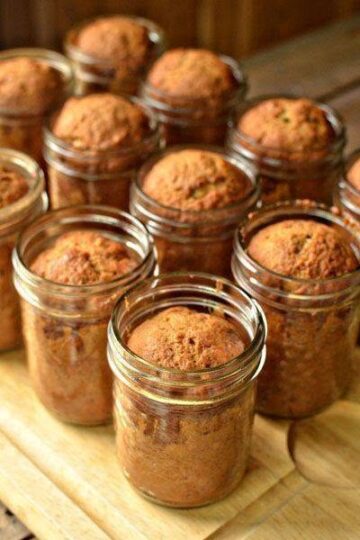
The allure of jarred banana bread lies in its simplicity and versatility, making it accessible to bakers of all skill levels while producing results that look professionally crafted. Imagine a row of gleaming glass jars filled with golden-brown bread, each one a perfect single serving or shareable gift tied with a ribbon. This presentation elevates the humble banana bread from everyday snack to thoughtful handmade treasure, perfect for holidays, housewarming, or simply brightening someone’s day. Yet beyond the aesthetics, the method ensures even baking and exceptional moisture retention, as the enclosed environment of the jar helps trap steam during the baking process. The provided recipe yields twelve 250 ml jars, offering a generous batch that’s scalable for larger gatherings or smaller experiments. With ingredients like butter for richness, plenty of sugar for sweetness, eggs for structure, and mashed bananas for that signature flavor and tenderness, this version delivers a classic taste profile enhanced by cinnamon and optional cloves for warmth, plus nuts for texture. As we journey through this comprehensive guide, we’ll cover everything from historical context to practical tips, ensuring you can create jarred banana bread with confidence and joy.
Origin
The story of banana bread itself begins in the late 19th and early 20th centuries, when bananas first became widely available in the United States thanks to improved refrigeration and shipping from tropical regions. Initially an exotic import, bananas gained popularity, but their short shelf life posed a challenge—overripe fruit was often discarded until resourceful cooks began incorporating mashed bananas into baked goods. The true rise of banana bread as we know it coincided with the widespread availability of chemical leaveners like baking powder and baking soda in the 1930s. These agents allowed for “quick breads” that rose reliably without yeast, making home baking faster and more accessible. Some historians pinpoint the Great Depression era as a pivotal time, when frugality encouraged housewives to repurpose spotting bananas rather than waste them, blending them with basic pantry staples to create moist, sweet loaves that stretched limited resources. Early recipes appeared in cookbooks from companies like Pillsbury and the United Fruit Company (a major banana importer), promoting the fruit’s versatility and helping cement banana bread’s place in American kitchens.
The specific concept of baking banana bread in jars emerged later, likely in the mid-20th century or earlier among home canners experimenting with presentation and preservation. Wide-mouth canning jars, already common for preserving fruits and vegetables, proved ideal for baking individual portions of quick breads. Recipes for “bread in a jar” or “canned bread” proliferated in community cookbooks, magazines, and eventually online forums, often touting the hot-lid sealing method for creating a vacuum that supposedly allowed room-temperature storage for months or even a year. This technique mirrored traditional canning but applied to baked goods, with bakers removing hot jars from the oven, wiping rims, and immediately applying lids to “ping” and seal as the contents cooled and contracted. Popularized further in the 1990s and 2000s through sites like AllRecipes and blogging platforms, jarred banana bread became a darling of gift-giving trends, especially around holidays, for its cute, portable format. Variations using pint-sized or smaller jars allowed for customization, and the method extended to other quick breads like zucchini or pumpkin.
However, the origin of this jarred variation also intersects with evolving food safety awareness. While anecdotal success stories abound from generations of home bakers who stored sealed jars without incident, modern research has highlighted concerns, leading authorities to advise against long-term room-temperature storage. The jarred banana bread tradition thus reflects a blend of ingenuity, thrift, and community sharing, rooted in the broader history of banana bread as an American innovation born from necessity and creativity. Today, it continues to evolve, with bakers focusing on fresh enjoyment or safe refrigeration/freezing to honor both heritage and health.
Cultural Significance
Banana bread holds a profound place in cultural fabric, particularly in American households, where it symbolizes comfort, resourcefulness, and homey indulgence. Emerging during economic hardship, it embodied the spirit of making do with what one has—turning potentially wasted fruit into nourishing, delicious food that brought joy amid scarcity. This narrative of resilience resonated deeply, turning banana bread into a staple passed down through families, evoking memories of grandmothers’ kitchens filled with the aroma of baking spices and sweet fruit. In broader culture, it represents nostalgic Americana, often featured in literature, films, and media as a hallmark of domestic warmth. During World War II and subsequent rationing periods, similar quick breads boosted morale with their simplicity and satisfaction from limited ingredients. Globally, as bananas spread through trade and colonization, banana bread adapted: in the Philippines, it’s akin to “banana cake” from American influences; in Australia and the UK, it surged in popularity during lockdowns as a soothing baking project.
The jarred version amplifies this significance by adding elements of craftsmanship and generosity. Baking in jars transforms the bread into a portable, giftable item, fostering connections through sharing handmade edibles. It’s common at bake sales, holiday exchanges, teacher appreciations, or care packages, symbolizing thoughtfulness and effort in an era of mass-produced goods. The visual appeal—rows of sealed jars on pantry shelves or adorned with labels—evokes pioneer-era preservation, tying into cultural ideals of self-sufficiency and preparedness. In modern wellness culture, banana bread (jarred or otherwise) is celebrated for using natural fruit sweetness, often modified for healthier twists while retaining its indulgent appeal. During the COVID-19 pandemic, banana bread experienced a massive resurgence, becoming a symbol of comfort baking and coping, with searches skyrocketing as people sought familiar rituals amid uncertainty. Jarred banana bread, with its individual servings, fits perfectly into contemporary trends of portion control, meal prepping, and mindful eating.
Ultimately, jarred banana bread encapsulates cultural themes of adaptation, community, and simple pleasures. It bridges generations, reminding us that even in challenging times, creativity in the kitchen can yield something profoundly satisfying and connective.
Ingredients Quantity
The foundation of exceptional jarred banana bread lies in precise measurements and quality ingredients. This recipe yields approximately 12 jars (250 ml each), providing ample portions for sharing or stocking up safely in the fridge or freezer. Here’s the detailed list:
- Butter: 2/3 cup (approximately 150 grams). Use unsalted for control over saltiness, softened to room temperature for easy creaming.
- White sugar: 2 2/3 cups (about 530 grams). This generous amount ensures sweetness and tenderness, caramelizing slightly during baking for depth.
- Eggs: 4 large ones, at room temperature to emulsify smoothly with the fats.
- Mashed bananas: 2 cups (from about 4-6 very ripe bananas). The riper, the better—black-speckled skins yield intense flavor and natural moisture.
- Water: 2/3 cup, helping to hydrate the batter without diluting banana essence.
- All-purpose flour: 3 1/3 cups (around 420 grams), sifted for lightness.
- Baking powder: 1/2 teaspoon, contributing to rise.
- Baking soda: 2 teaspoons, reacting with banana acidity for lift and tenderness.
- Salt: 1 1/2 teaspoons, enhancing overall flavors.
- Cinnamon: 1 teaspoon, adding warm spice notes.
- Ground cloves (optional): 1 teaspoon, for a deeper, aromatic kick—use sparingly as it can dominate.
- Chopped pecans or walnuts: 2/3 cup, toasted lightly for amplified nuttiness and crunch.
- Canning jars (250 ml): 12 wide-mouth jars with lids and rings, greased thoroughly.
These quantities balance moisture, structure, and flavor, creating a bread that’s dense yet fluffy, sweet but spiced.
Optional Additions
Customization elevates jarred banana bread, allowing personalization while maintaining the core recipe’s integrity. Consider these enhancements:
- Chocolate chips (1-1 1/2 cups semi-sweet or dark) folded in for melty pockets of richness.
- Dried fruits like raisins, cranberries, or chopped dates (1/2 cup) for chewy contrast.
- Additional spices such as nutmeg (1/2 tsp) or ginger for complexity.
- Vanilla extract (1-2 tsp) stirred into wet ingredients for aromatic depth.
- Sour cream or yogurt (1/2 cup replacing some water) for extra tang and moisture.
- Coconut flakes (1/2 cup) for tropical flair.
- Espresso powder (1 tsp) to intensify chocolate or banana notes.
Start conservatively to preserve balance, tasting batter adjustments mentally.
Tips for Success
Achieving perfect jarred banana bread requires attention to detail. Use wide-mouth jars for easy filling and removal. Grease generously with butter or spray to prevent sticking. Fill only halfway—batter rises significantly. Bake on a sheet for stability and even heat. Test doneness with a toothpick; it should emerge clean. For food safety, consume fresh or refrigerate up to a week; freeze sealed (without vacuum if possible) for months. Avoid overmixing to prevent toughness. Use very ripe bananas for best flavor. Preheat fully and place jars spaced apart. Cool slightly before removing bread by inverting and tapping gently.
Instructions
Follow these steps meticulously:
Step 1: Preheat oven to 325°F (165°C). Grease twelve 250 ml wide-mouth canning jars thoroughly.
Step 2: Cream butter and sugar until light and fluffy, about 3-5 minutes.
Step 3: Mash bananas smoothly; whisk with eggs and water.
Step 4: Sift dry ingredients (flour, leaveners, salt, spices); fold into wet mixture gently.
Step 5: Stir in nuts.
Step 6: Fill jars halfway using a funnel; wipe rims.
Step 7: Bake 45 minutes or until done; bread may dome.
Step 8: For storage, cool completely; do not seal hot for vacuum if planning room-temperature—refrigerate or freeze instead.
Step 9: Remove bread by inverting; slice and enjoy fresh with butter or spreads.
Description
Jarred banana bread emerges golden-brown with a domed top, fragrant with banana, cinnamon, and cloves. Inside, it’s ultra-moist, tender crumb studded with nuts, sweet from fruit and sugar, warmly spiced. Each jar yields a personal loaf, perfect warm or toasted.
Nutritional Information
Per jar (approximate, based on 12 servings): Calories ~450-550; Total Fat 18-22g (mostly from butter/nuts); Carbohydrates 70-80g (sugars ~45g); Protein 6-8g; Fiber 3g from bananas/nuts. Provides potassium, some vitamins, but high in sugar/calories—enjoy moderately.
Conclusion
Jarred banana bread beautifully marries tradition with innovation, offering comfort in every bite while encouraging safe, joyful baking.
Recommendation
Try this recipe soon—gift jars or savor yourself. Experiment safely for endless delight.
Embracing Healthful Indulgence
While rich, jarred banana bread can fit balanced lifestyles with modifications like reduced sugar or added whole grains. It nourishes the soul as much as the body, reminding us indulgence and mindfulness coexist.