
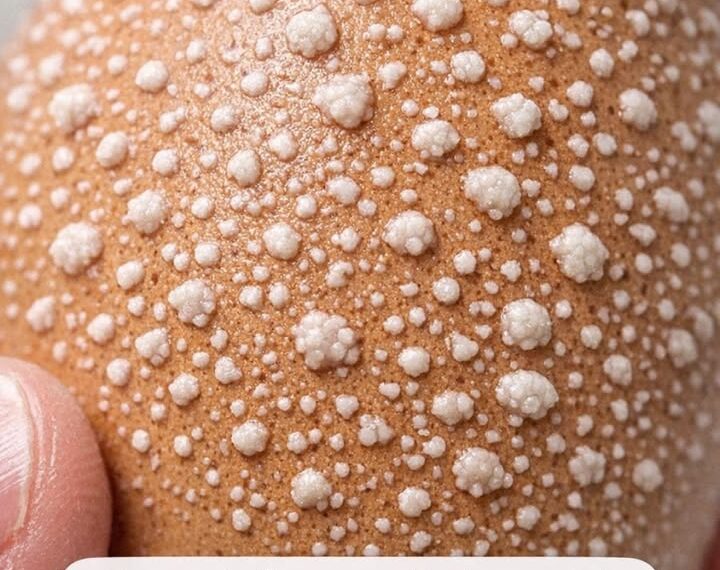
When you crack open an egg, you expect a smooth, pristine shell. But what if your eggshell is covered in weird rough white bumps? This is a common occurrence that puzzles many backyard chicken keepers and even some commercial producers. Understanding these bumps is crucial not only for aesthetic reasons but also because they can give insights into the health and nutrition of your hens.
Eggshell irregularities can arise from numerous factors, including diet, environmental conditions, and the hen’s age or breed. While many of these bumps are harmless, they can occasionally indicate underlying issues that need attention. In this article, we will explore the possible causes of these bumps, their implications, and what steps you can take to ensure your flock remains healthy.
1. What Those Rough White Bumps on Eggshells Actually Are
The rough white bumps you find on eggshells are typically calcium deposits. They occur when there’s an excess of calcium in the hen’s reproductive tract during the egg formation process. These deposits appear as hard, gritty protrusions on the shell surface and can vary in size and distribution. In some cases, bumps might be localized to one area of the shell, while in other instances, they can be scattered across the entire surface.
These calcium deposits are usually white, matching the rest of the eggshell. However, they can sometimes appear slightly off-color depending on the hen’s diet or mineral intake. While generally harmless, they can affect the shell’s appearance and texture, leading to concerns about the egg’s quality and safety.
2. How Excess Calcium Creates Gritty, Bumpy Eggshells
Excess calcium in a hen’s diet can lead to the formation of gritty, bumpy eggshells. Hens require calcium to build strong shells, but too much calcium can cause the mineral to accumulate in the shell gland, leading to these rough patches. Typically, a laying hen needs about 4 grams of calcium per day, which is usually provided through a balanced diet that includes layer feed and supplemental calcium sources like oyster shells.
If a hen’s diet contains more calcium than necessary, her body may not be able to process it efficiently, resulting in excess calcium being deposited unevenly on the eggshell. This can happen if the hen has access to additional calcium sources beyond her dietary needs or if there’s an imbalance in her overall nutrition.
3. When Eggshell Pimples Are Totally Normal
Eggshell pimples, or small calcium deposits, are often a normal part of egg production and are usually not a cause for concern. These minor imperfections can occur sporadically, even in a well-balanced diet, due to slight variations in the hen’s calcium absorption or metabolism. It’s not uncommon for younger hens, whose bodies are still adjusting to laying eggs, to produce eggs with small bumps.
Moreover, external factors such as stress or changes in the environment can temporarily affect a hen’s egg production, leading to occasional shell irregularities. As long as the bumps are minimal and not accompanied by other signs of distress or illness in the hen, they are generally considered a normal part of the egg-laying process.
4. Nutrition Mistakes That Lead to Calcium Buildup
One of the primary nutrition mistakes leading to calcium buildup and bumpy eggshells is over-supplementing with calcium-rich foods or additives. While providing oyster shells or limestone is important for calcium intake, overdoing it can result in excess calcium. It’s critical to monitor the hens’ consumption and adjust their diet accordingly.
Another common mistake is failing to balance the calcium with other essential nutrients. Hens require phosphorus and vitamin D3 to properly metabolize calcium. A deficiency or imbalance in these nutrients can lead to improper calcium utilization, resulting in deposits on the eggshell. Ensuring a well-rounded diet that meets all nutritional requirements is key to preventing these issues.
5. Hidden Health Issues in Hens That Show Up on the Shell
Occasionally, bumpy eggshells can be a sign of underlying health issues in hens. Conditions such as infectious bronchitis or Egg Drop Syndrome can affect the shell gland and lead to abnormalities in shell texture. Infections or diseases that impact the hen’s reproductive system can alter the normal process of shell formation, resulting in calcium deposits.
Additionally, hens with compromised immune systems or underlying nutritional deficiencies may exhibit shell irregularities. It’s important to observe the overall health of the flock, looking for signs such as changes in behavior, reduced egg production, or other physical symptoms that might suggest an underlying health concern.
6. Age, Breed, and Other Factors That Change Shell Texture
Age is a significant factor in the texture and quality of eggshells. Older hens often produce eggs with thinner shells due to decreased calcium absorption efficiency, which can sometimes lead to irregularities including rough patches. Conversely, younger hens might produce eggs with thicker shells and occasional calcium deposits as their bodies adjust to laying.
The breed of the hen can also influence shell texture. Some breeds are more prone to shell irregularities due to genetic factors. For example, heavy egg-laying breeds might push their reproductive systems harder, occasionally resulting in less-than-perfect shells. Environmental factors such as temperature and housing conditions can further affect shell quality.
7. Could It Be Contamination, Mold, or Something More Serious?
In most cases, bumps on eggshells are simply calcium deposits, but there are instances where other factors could be at play. Contamination from dirt or mold could potentially create rough patches on the shell, though this is rare. Ensuring clean nesting boxes and proper egg collection practices can mitigate these risks.
In very rare cases, shell irregularities might indicate more serious issues such as toxic exposure or severe nutritional imbalances. If bumps are accompanied by other egg abnormalities like odd colors or foul odors, it might be worth investigating further to rule out contamination or disease.
8. How to Tell If Bumpy Eggs Are Still Safe to Eat
Bumpy eggs are generally safe to eat as long as the shell is intact and there are no other signs of spoilage. Before consuming, check for cracks or damage to the shell, as this can allow bacteria to enter and spoil the egg. Conduct a float test by placing the egg in water; if it sinks and lays flat, it’s fresh and safe to eat.
Inspect the egg’s interior once cracked open. If the egg white is clear and the yolk is firm, the egg is likely safe for consumption. However, if you notice any unusual odors or discoloration, it’s best to discard the egg to avoid potential health risks.
9. Simple Fixes to Prevent Rough, Lumpy Eggshells
Preventing rough, lumpy eggshells often involves ensuring a balanced diet for your hens. Provide a consistent source of calcium, such as oyster shells, but avoid over-supplementing. Ensure their diet is balanced with adequate phosphorus and vitamin D3 to support healthy calcium metabolism.
Regularly check the cleanliness of the nesting area and ensure that the hens have access to fresh water and a stress-free environment. Monitoring for signs of illness and providing appropriate veterinary care can also help maintain overall flock health, reducing the likelihood of shell abnormalities.
10. When to Worry and Call a Vet About Your Hen’s Eggs
If you notice persistent or severe shell abnormalities, it might be time to consult a veterinarian. Signs that warrant professional evaluation include a sudden increase in the number of eggs with bumps, accompanying symptoms of illness in your hens, or additional abnormalities such as soft or misshapen shells.
Veterinary diagnostics can help identify underlying conditions that might be affecting shell quality, such as infections or metabolic disorders. Early intervention can prevent potential health issues from escalating and help maintain your flock’s productivity and well-being.
11. How to Monitor Future Eggs for Early Warning Signs
To monitor future eggs for early warning signs of shell issues, keep a record of egg production and shell quality. Note any changes in texture, color, or shape, and look for patterns that might indicate a problem. Regularly inspect the flock for signs of stress or illness, and adjust their diet or environment as needed.
Implementing routine health checks and maintaining a clean, stress-free living environment can help prevent many common issues. By staying vigilant and proactive, you can catch potential problems early and ensure your hens continue to produce healthy, high-quality eggs.