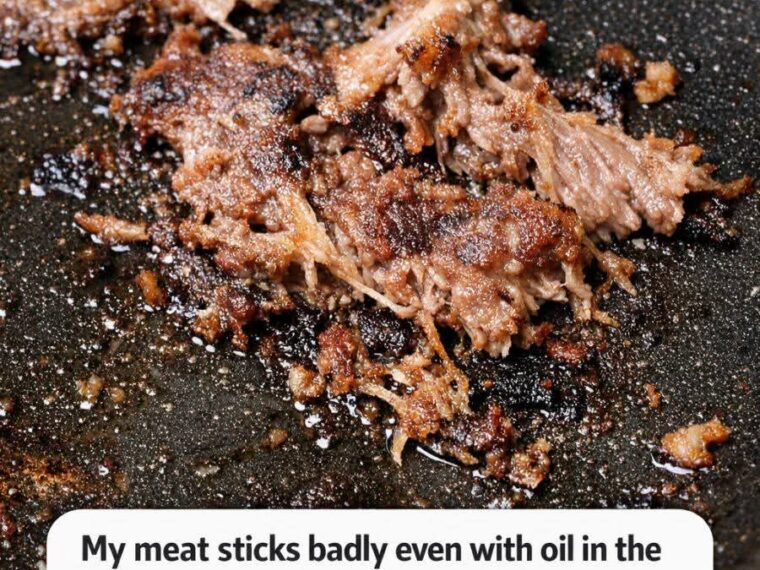
Cooking meat in a pan is a common kitchen task, yet many home cooks encounter the frustrating problem of meat sticking to the pan, even when oil is used. This can lead to a ruined dish and a difficult cleanup process. Understanding why meat sticks despite using oil is key to mastering the art of sautéing, frying, and searing meat successfully.
There are multiple factors that contribute to this problem, ranging from the type of pan used to the temperature of both the pan and the meat. In this article, we will explore the science behind why meat sticks to pans and provide solutions to ensure your culinary creations turn out perfectly cooked and easy to remove.
1. The Science of Cold Protein Binding and Sticking
When meat is placed in a pan, proteins on its surface bind to the pan’s material, especially if the pan is not preheated properly. This phenomenon is known as protein denaturation, where the proteins unfold and bond with the metal surface. This reaction is more pronounced if the meat is cold because the temperature difference causes rapid contraction of the proteins, increasing their likelihood to stick. Cooking meat that is at room temperature can mitigate some of this binding effect.
2. Why Cold Meat Hits Hot Pans and Glues Itself On
Cold meat hitting a hot pan causes a sudden temperature shock. This leads to rapid contraction of proteins and moisture release, which can create a steam-like environment in the pan. The proteins can then bind quickly to the pan’s surface, essentially gluing the meat to the pan. To prevent this, it’s recommended to let meat rest at room temperature for about 20 to 30 minutes before cooking.
3. Not Hot Enough: The Real Meaning of a Properly Preheated Pan
A pan that is not adequately preheated will not create the necessary initial sear that helps form a barrier between the meat and the pan. A properly preheated pan should be at least 375°F (190°C) to ensure that the oil is hot enough to shimmer, but not smoke. This temperature ensures that the meat starts to cook immediately upon contact, reducing the chance of sticking.
4. Too Much or Too Little Oil: How Fat Actually Prevents Sticking
Oil acts as a lubrication barrier between the meat and the pan. However, too little oil can cause sticking as there isn’t enough to coat the pan’s surface, while too much can lead to splattering and uneven cooking. The key is to use about 1 to 2 tablespoons of oil for a standard-sized skillet, ensuring the pan is evenly coated without excess.
5. The Wrong Pan: Nonstick, Stainless, and Cast Iron Behave Differently
Different pans have different properties when it comes to sticking. Nonstick pans minimize the risk of sticking but can hinder browning. Stainless steel offers excellent browning but requires precise temperature control to prevent sticking. Cast iron provides even heating and can become naturally nonstick with proper seasoning. Understanding your pan’s characteristic is crucial to preventing sticking.
6. Moisture on the Surface: Wet Meat, Steam, and Stubborn Sticking
Moisture is one of the biggest culprits in sticking. When wet meat is placed in a pan, the moisture turns to steam and prevents the meat from forming a proper sear, leading to sticking. Patting meat dry with paper towels before cooking can help reduce surface moisture and improve the searing process.
7. Moving It Too Soon: Letting the Meat Naturally Release
One common mistake is trying to move the meat too soon. When meat is initially added to the pan, it will naturally stick. However, after a few minutes of cooking, it will release itself as the proteins denature correctly and form a crust. Patience is key—wait until the meat releases naturally before flipping or stirring.
8. Marinades, Sugars, and Seasonings That Burn and Stick
Marinades and seasonings that contain sugars can caramelize quickly and stick to the pan, especially if the pan is too hot. To prevent this, cook the meat at a slightly lower temperature or add these ingredients later in the cooking process. Additionally, ensure that any excess marinade is wiped off before cooking.
9. Pan Crowding and Temperature Drop: The Hidden Sticking Trap
Crowding the pan drops the temperature, leading to steaming rather than searing, which increases sticking. It’s important to leave enough space around each piece of meat to allow for even cooking and proper browning. If necessary, cook in batches to maintain optimal pan temperature.
10. How to Fix Sticking in the Moment Without Ruining Dinner
If your meat sticks, don’t panic. Let it cook for a moment longer to see if it naturally releases. If not, use a thin spatula to gently loosen the edges and work your way underneath. Adding a small amount of liquid, like broth or wine, can help deglaze the pan and release the stuck pieces without tearing the meat.
11. Simple Prep Habits That Practically Eliminate Sticking
Developing good cooking habits can drastically reduce sticking. Always preheat your pan thoroughly, dry your meat before cooking, and use the right amount of oil. Allow the meat to come to room temperature and avoid overcrowding the pan. These practices, combined with using the right type of pan, will help ensure a smooth cooking experience.