
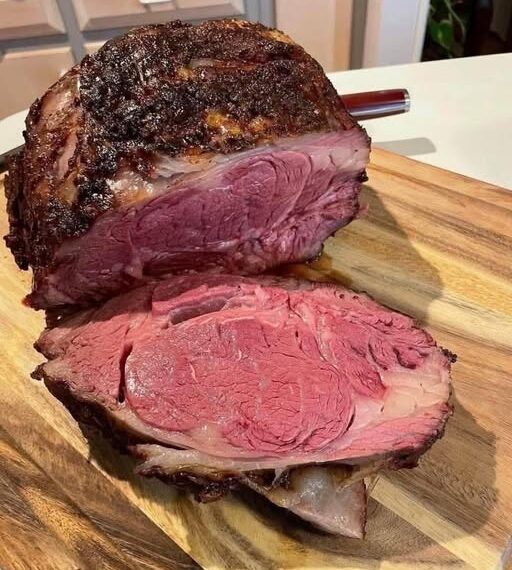
Few dishes are as impressive, indulgent, or satisfying as a prime rib roast. Famous for its rich marbling, tender texture, and deep beef flavor, prime rib is often the centerpiece of holiday meals, family gatherings, and special celebrations. When prepared correctly, it delivers a perfectly juicy interior with a beautifully browned crust.
Cooking prime rib may seem intimidating, but with the right preparation, seasoning, and cooking technique, anyone can create a restaurant-quality roast at home. This guide covers everything—from choosing the perfect cut to carving and serving it like a professional.
1. Choosing the Right Prime Rib Roast
Selecting a high-quality cut is the foundation of a successful prime rib.
1.1 USDA Beef Grades
Beef is graded based on marbling, tenderness, and overall quality.
Prime – The highest grade, with abundant marbling and exceptional tenderness. Ideal for special occasions.
Choice – Slightly less marbling but still flavorful and tender. This is the most commonly available grade in supermarkets.
Select – Leaner and less tender. It can still work, but careful cooking is needed to avoid dryness.
1.2 Bone-In vs. Boneless
Both options work well, but they offer slightly different advantages.
Bone-In (Standing Rib Roast)
More flavor during cooking
Helps retain moisture
Creates a beautiful presentation on the table
Usually includes 2–7 ribs
Boneless Roast
Easier to carve
Slightly quicker cooking time
Simpler to store and handle
Many chefs prefer bone-in roasts for their richer flavor.
1.3 Choosing the Right Size
A helpful rule when buying prime rib:
1 pound per person for generous portions.
Examples:
3-rib roast → feeds about 4–5 people
4–5 rib roast → feeds 6–8 people
If you want leftovers for sandwiches or soups, consider buying a slightly larger roast.
1.4 Look for Good Marbling
Marbling refers to the small streaks of fat inside the meat.
Good marbling means:
Better flavor
Greater tenderness
A juicier finished roast
Choose meat with visible white streaks of fat evenly distributed throughout the cut.
2. Preparing the Prime Rib
Proper preparation ensures even cooking and the best texture.
2.1 Thawing
If your roast is frozen:
Thaw it completely in the refrigerator.
This usually takes 24–48 hours, depending on size.
Avoid thawing at room temperature, which can encourage bacterial growth and lead to uneven cooking.
2.2 Bring the Roast to Room Temperature
Remove the roast from the refrigerator about 2 hours before cooking.
This step helps the meat cook evenly from the outside to the center and prevents overcooked edges with a cold interior.
2.3 Trimming the Fat
Trim excess fat but leave about ¼ inch on top.
This thin layer of fat will:
Baste the meat during roasting
Enhance flavor
Help create a beautiful golden crust
3. Seasoning the Roast
Prime rib has incredible natural flavor, so a simple seasoning blend is often best.
Classic Prime Rib Seasoning Rub
Ingredients
2–3 tablespoons kosher salt
1–2 tablespoons freshly ground black pepper
1–2 teaspoons garlic powder
1 teaspoon onion powder
1 tablespoon fresh rosemary (optional)
1 tablespoon fresh thyme (optional)
2 tablespoons olive oil or softened butter
Preparation
Pat the roast dry with paper towels.
Rub the roast with olive oil or butter.
Mix the spices in a bowl.
Coat the entire roast generously with the seasoning.
Let the roast sit for about 30 minutes before placing it in the oven.
This seasoning creates a delicious crust while allowing the rich flavor of the beef to shine.
4. Cooking the Prime Rib
There are many ways to cook prime rib, but the low-and-slow roasting method produces the most tender and evenly cooked results.
Step-by-Step Roasting Method
Preheat the oven to 450°F (230°C).
Place the roast on a rack in a roasting pan, fat side up.
Roast at high heat for 20 minutes to develop a crust.
Reduce the temperature to 325°F (165°C).
Continue roasting until the desired internal temperature is reached.
Internal Temperature Guide
Use a meat thermometer for accuracy.
Rare: 120–125°F (49–52°C)
Medium Rare: 130–135°F (54–57°C) (most recommended)
Medium: 135–145°F (57–63°C)
Well Done: 150°F+ (66°C+)
Remember that the temperature will rise slightly while resting.
5. Let the Roast Rest
Once the roast reaches your desired temperature:
Remove it from the oven.
Cover loosely with foil.
Let it rest for 20–30 minutes.
Resting allows the juices to redistribute through the meat, resulting in a more tender and flavorful roast.
6. Carving and Serving
For bone-in roasts:
Cut the bones away from the roast first.
Slice the meat against the grain into even portions.
Serve with classic accompaniments such as:
Horseradish sauce
Au jus gravy
Roasted potatoes
Creamed spinach
Yorkshire pudding
Final Thoughts
A prime rib roast is more than just a meal—it’s a celebration on a plate. With its tender texture, rich flavor, and impressive presentation, it’s the perfect centerpiece for memorable dinners and festive gatherings.
By choosing a well-marbled cut, seasoning it simply, and cooking it with care, you can create a restaurant-quality prime rib that will leave your guests talking about it long after the meal is over.
And once you master this classic dish, it may just become the highlight of every special occasion at your table.