
Can They Really Clear Your Skin from the Inside Out?
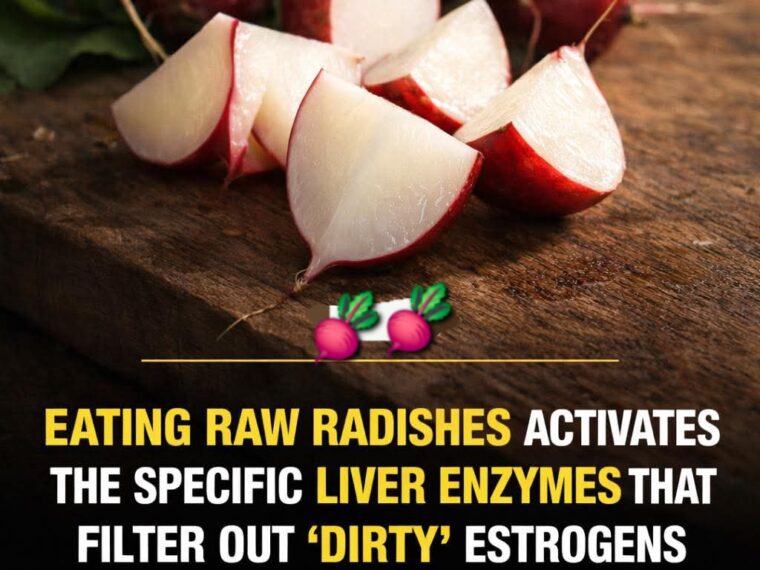
Radishes are often overlooked — sliced thin into salads or used as a crunchy garnish. But beneath their sharp, peppery bite lies a powerful group of plant compounds that may support your body’s natural detox systems.
One compound in particular, glucoraphasatin, has gained attention for its potential role in liver function and internal cleansing.
But how much of this is science, and how much is hype? Let’s break it down.
What Is Glucoraphasatin?
Glucoraphasatin is a naturally occurring glucosinolate, a sulfur-containing compound found in radishes and other cruciferous vegetables.
When you chew raw radishes, the plant cells break open and an enzyme called myrosinase converts glucoraphasatin into active metabolites — including compounds similar to isothiocyanates. These bioactive substances are known to influence detoxification pathways in the body.
Heat can reduce this enzymatic reaction, which is why raw radishes are often highlighted as more potent in this context.
Understanding the Liver’s Detox System
Your liver detoxifies in two major stages:
Phase I
Breaks down toxins into intermediate compounds.
Phase II
Converts those intermediates into water-soluble substances that can be safely eliminated through urine or bile.
Certain plant compounds — especially from cruciferous vegetables — are known to support Phase II detoxification enzymes. These enzymes help process:
- Spent hormones
- Environmental chemicals
- Metabolic waste
- Fat-soluble toxins
Glucosinolate-derived compounds may stimulate these protective pathways.
The Hormone and Skin Connection
Hormonal imbalances are a common trigger for breakouts. When estrogen, testosterone, or other hormones are not properly metabolized and eliminated, they can recirculate in the body.
Poor detoxification may contribute to:
- Hormonal acne
- Oily skin
- Inflammatory breakouts
The theory is that supporting Phase II liver detoxification helps the body clear excess or “spent” hormones more efficiently — reducing the burden that can show up on the skin.
However, it’s important to clarify:
The skin is not a primary detox organ. The liver, kidneys, lungs, and digestive system do the heavy lifting. While skin conditions can reflect internal imbalance, acne is multifactorial and not solely caused by “toxins.”
Are Radishes a “Biological Filter” for the Blood?
Radishes don’t literally filter the blood like a machine. But they may support the organs that do.
Beyond glucoraphasatin, radishes contain:
- Vitamin C (antioxidant support)
- Fiber (aids elimination via digestion)
- Potassium (supports fluid balance)
- Anthocyanins (in red varieties, offering antioxidant protection)
Their high water content also supports hydration, which is crucial for waste elimination.
In this sense, raw radishes can be part of a diet that promotes healthy detoxification — but they are not a standalone cure.
Why Raw Matters
Cooking can deactivate myrosinase, the enzyme needed to convert glucosinolates into their active forms.
To maximize benefits:
- Eat radishes raw
- Chew thoroughly
- Slice or chop before eating to activate enzymes
- Allow chopped radishes to sit for a few minutes before consuming
This gives the enzymatic reaction time to occur.
How to Add Raw Radishes to Your Diet
Simple ideas include:
- Sliced into salads
- Added to grain bowls
- Paired with avocado toast
- Mixed into fresh salsas
- Blended into green juices (in small amounts)
Their peppery bite pairs well with lemon, olive oil, and fresh herbs.
A Balanced Perspective
While radishes contain beneficial compounds that may support liver enzyme activity, detoxification is a continuous process that depends on:
- Adequate protein intake
- Fiber-rich foods
- Hydration
- Sleep
- Reduced alcohol consumption
- Overall nutrient balance
No single food can “detox” your body on its own. Your liver is already highly efficient — it simply needs proper nutritional support.
The Bottom Line
Raw radishes contain glucoraphasatin, a sulfur compound that may support Phase II liver detoxification pathways. By contributing to efficient hormone metabolism and antioxidant protection, they could indirectly support clearer skin.
They aren’t a miracle blood filter — but they are a crisp, nutrient-dense vegetable that can be part of a skin-supportive, liver-friendly diet.
Sometimes improving your complexion isn’t about expensive creams — it’s about what you put on your plate.


