
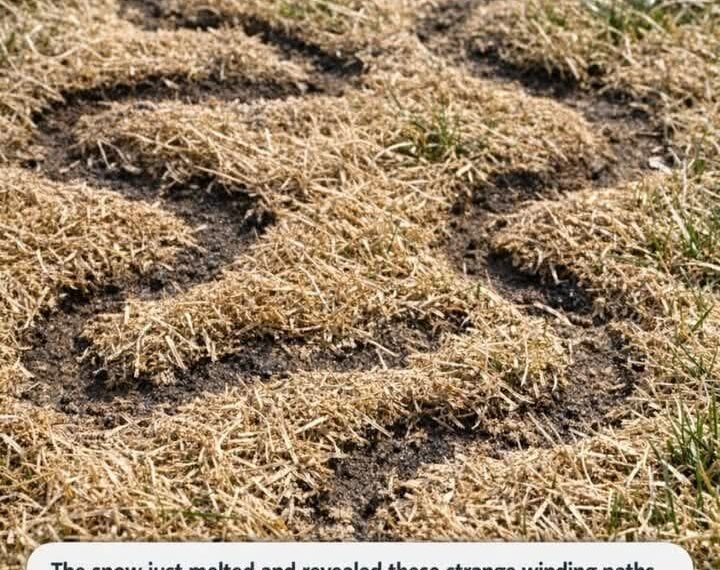
You step outside after the snow finally melts, expecting to see your lawn as it was before winter…
but instead, you’re greeted with a strange sight.
Thin, winding paths snake across the grass.
Shallow trenches twist in every direction.
It almost looks like something mysterious—or even alive—has been crawling just beneath the surface.
So what caused this?
The answer is both fascinating and a little unsettling:
👉 it’s the work of the vole.
What Are Voles?
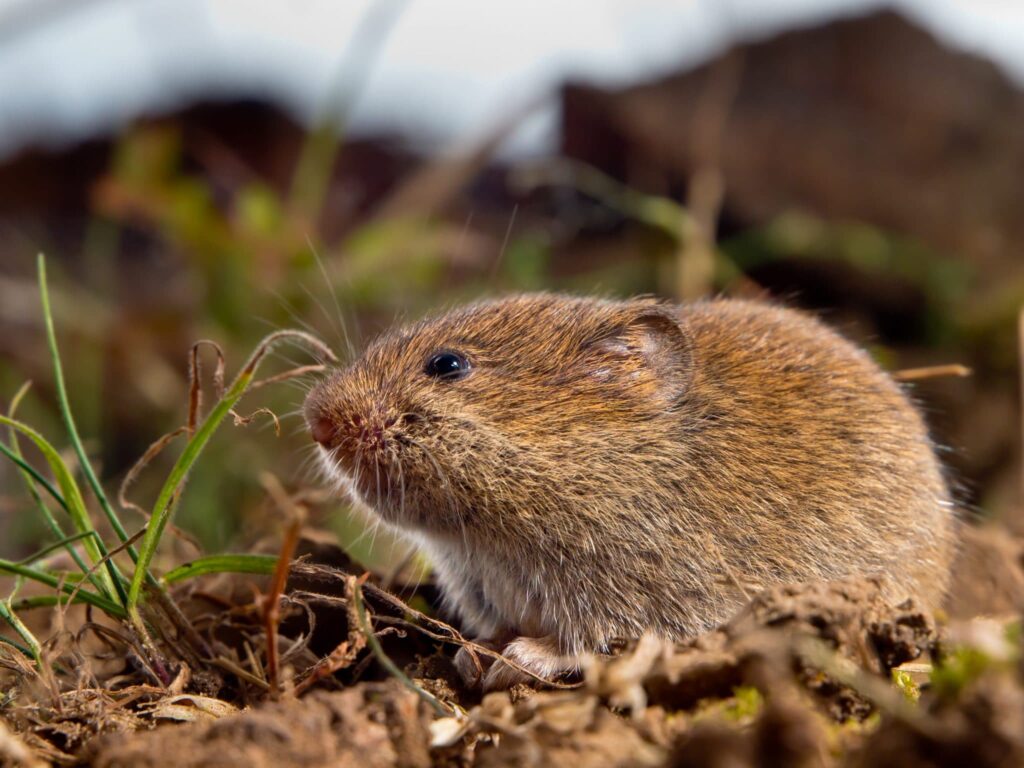
A vole is a small rodent, often mistaken for a mouse, but with a few key differences:
- Short tail
- Stocky body
- Small ears (often hidden in fur)
They live close to the ground and are incredibly active—even during winter.
Why Do These Tunnels Appear After Snow Melts?
During winter, snow acts like a natural blanket over your lawn.
Underneath this layer:
- It’s warmer than the outside air
- It’s protected from predators
- It creates the perfect environment for voles to move freely
So while everything looks calm above ground…
👉 below the snow, voles are busy building surface tunnels.
When the snow melts, it reveals:
- Winding trails
- Flattened grass
- Small trench-like paths
Exactly like what you see in the image.
Why Do the Paths Look Like a Maze?
Voles are constantly searching for food, which includes:
- Grass roots
- Plant stems
- Bark
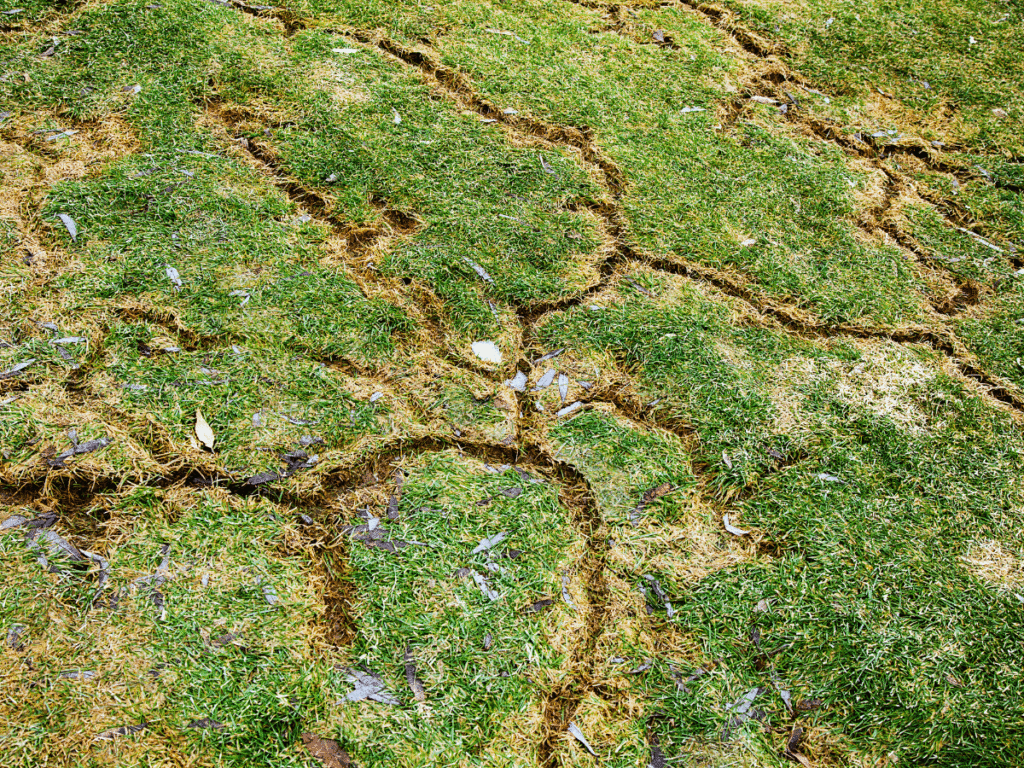
As they move around feeding, they create a network of interconnected paths.
👉 Over time, this becomes a maze-like system—not random at all, but highly active feeding routes.
Are Voles Dangerous?
TO CONTINUE READING THE ARTICLE PLEASE SEE PAGE 2