
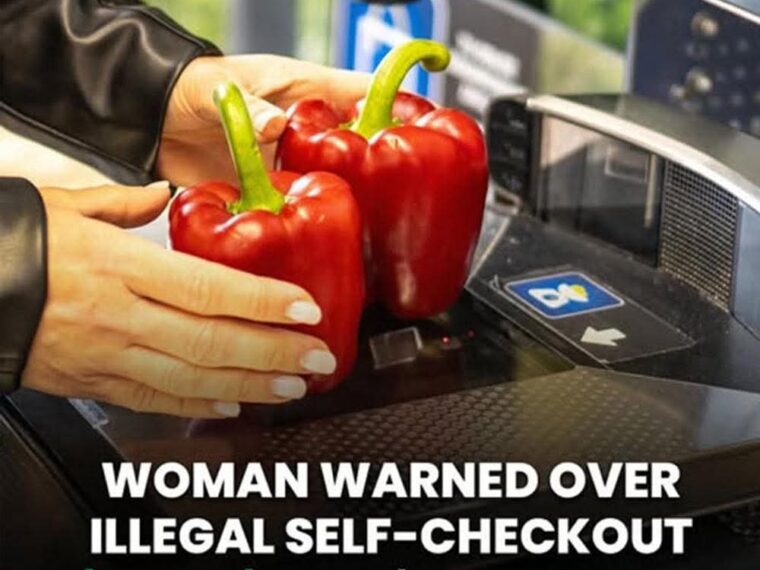
Why Retailers Still Use Self-Checkout
Self-checkout systems first appeared about a decade ago, and initial customer backlash caused many stores to remove them. Recently, however, retailers have returned to them for several reasons. Before the COVID-19 pandemic, low unemployment made hiring difficult. At the same time, brick-and-mortar stores were losing customers to online shopping, while consumers were becoming more comfortable interacting with machines instead of people.
Despite the problems, retailers continue to see cost savings.
That said, stores are still working to reduce theft. Many disabled weight-based detection systems because they generated too many false alerts, irritating customers. This change, however, made theft easier. To replace this approach, new technology is emerging. NCR Corp, which produces Walmart’s self-checkout machines, has introduced video-based monitoring. To reduce errors, off-site staff review five- to ten-second clips of suspected mis-scans.
After abandoning weight sensors, Walmart adopted a camera system developed by Everseen Ltd. These cameras track both products and shopper movements and compare them to scanned items. When a potential error is detected, the system pauses the transaction in real time and notifies an employee.
Embracing Technology
Although self-checkouts initially faced resistance, improved technology has made them increasingly popular. Target, for instance, now uses self-checkout machines in all but 200 of its 1,900 locations. A company spokesperson reported that roughly one-third of customers prefer using them [4]. As the systems advance, so do their security features—meaning shoppers who rely on tricks like the banana code may soon find their free groceries a thing of the past.