
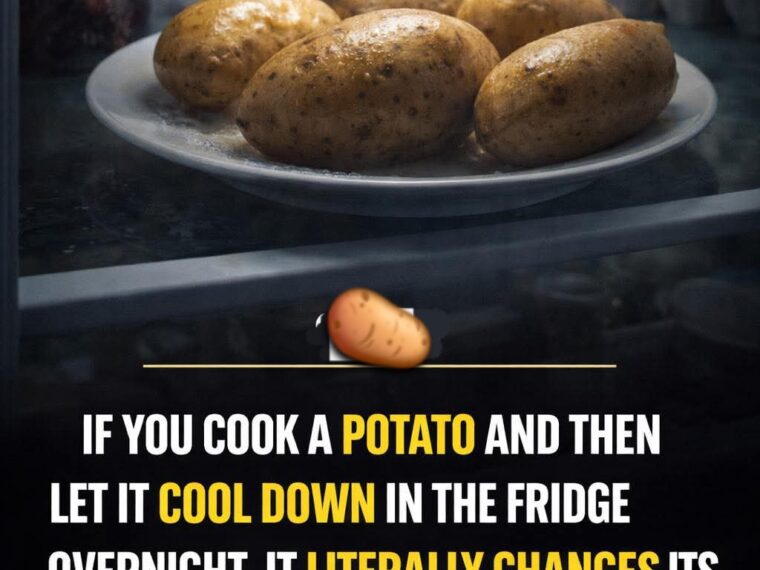
The Science of Boiled & Chilled Potatoes: Resistant Starch and Gut Health
Potatoes are often labeled as a “high-carb” food that spikes blood sugar. But what many people don’t realize is that how you prepare potatoes can change how your body processes them.
When you boil a potato and then chill it, something interesting happens to its starch structure. This process is called retrogradation, and it increases the formation of what’s known as resistant starch.
Let’s break down what that really means — and what it doesn’t mean.
🔬 What Happens When You Boil a Potato?
Potatoes are rich in starch, mainly made up of:
- Amylose
- Amylopectin
When potatoes are boiled:
- The starch granules absorb water.
- Heat causes them to gelatinize (soften and expand).
- They become easily digestible in the small intestine.
This is why freshly cooked hot potatoes can raise blood sugar relatively quickly.
❄️ What Happens When You Chill Them?
When cooked potatoes are cooled — especially in the refrigerator for several hours — part of the gelatinized starch reorganizes into a tighter, crystalline structure.
This structural change is called retrogradation.
During retrogradation:
- Some digestible starch converts into resistant starch.
- Resistant starch is not fully broken down into glucose in the small intestine.
- Instead, it passes into the large intestine.
🌿 What Is Resistant Starch?
Resistant starch behaves similarly to dietary fiber.
Instead of being absorbed as sugar, it:
- Feeds beneficial gut bacteria
- Produces short-chain fatty acids (like butyrate)
- Supports colon health
- Slows glucose absorption
This can lead to:
✔ More stable blood sugar response
✔ Increased feelings of fullness
✔ Improved gut microbiome support
🔥 Does Reheating Destroy the Effect?
One common question is whether reheating chilled potatoes removes the resistant starch.
Research suggests that moderate reheating does not completely reverse retrogradation. While some structural changes may soften slightly, a significant portion of resistant starch remains intact.
That means you can:
- Boil potatoes
- Chill them overnight
- Reheat gently
- Still retain gut-friendly benefits
⚖️ Is It Really a “Carb Hack”?
The phrase “hacking a high-carb food” sounds dramatic — but let’s stay realistic.
What cooling does:
✔ Modestly lowers the glycemic impact
✔ Increases resistant starch content
✔ Adds gut-supportive benefits
What it does NOT do:
❌ Eliminate carbohydrates
❌ Cut calories in half
❌ Turn potatoes into a supplement
The change is beneficial — but moderate, not magical.
🦠 Why Gut Bacteria Love Resistant Starch
When resistant starch reaches the large intestine, it becomes fuel for beneficial bacteria.
This fermentation process produces short-chain fatty acids, especially butyrate, which:
- Supports colon cell health
- Helps maintain gut barrier integrity
- May reduce inflammation
- Contributes to metabolic health
A healthier gut microbiome is linked to better digestion, immune function, and even metabolic regulation.
🍽 How to Maximize Resistant Starch in Potatoes
To increase resistant starch naturally:
- Boil or steam potatoes until fully cooked.
- Let them cool completely.
- Refrigerate for at least 8–12 hours.
- Eat cold (like potato salad) or reheat gently.
This method works best with:
- White potatoes
- Red potatoes
- Yukon gold
- Even sweet potatoes (though effect varies)
⚠️ Food Safety Reminder
Cooked potatoes should:
- Be cooled promptly
- Stored in the refrigerator
- Not left at room temperature for extended periods
Safe storage is essential.
🧠 The Bottom Line
✔ Boiling and chilling potatoes increases resistant starch through retrogradation.
✔ Resistant starch acts like fiber and feeds gut bacteria.
✔ Reheating does not fully undo the effect.
✔ The metabolic benefit is real — but modest.
Instead of viewing it as a dramatic “diet hack,” think of it as a smart preparation technique that gently improves the nutritional profile of a familiar food.
Potatoes aren’t the enemy — preparation matters.