
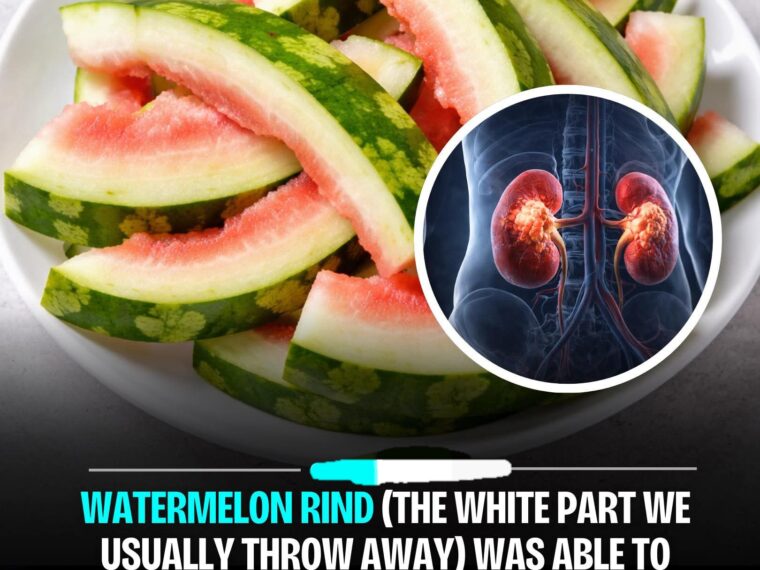
Watermelon Rind and Cancer Cells: What the Science Shows
Most of us throw away watermelon rind — the thick white layer between the red flesh and green skin. But emerging research suggests that this often-discarded part of the fruit contains bioactive compounds that may have effects on cancer cell growth in laboratory studies.
Let’s take a closer look at what scientists have found so far.
🧪 What Laboratory Studies Have Shown
Research on Extracts and Cancer Cell Lines
Several recent studies have examined the effects of watermelon rind extracts on cancer cells in vitro (in petri dishes, not in people).
Researchers found that watermelon rind extracts:
- Contain many phytochemicals such as phenolic acids and flavonoids.
- Can reduce the proliferation of various human cancer cell lines in a laboratory setting.
- May trigger apoptosis (programmed cell death) and inhibit migration in some types of cells.
One study tested renal adenocarcinoma cells (a human kidney cancer type) with watermelon rind extract and observed that increasing extract concentrations reduced cell proliferation at 24, 48, and 72 hours after treatment in cultured cells.
In that same study, the extract also significantly impaired cell migration and altered gene expression related to growth and survival pathways in these cancer-derived cells.
What “Reduced Cell Growth by One-Third” Means
Some laboratory results showed that treated kidney cancer cells dropped to roughly one-third of the number of untreated control cells after a certain period. This kind of reduction suggests a biological effect in a controlled experiment, but it does not mean watermelon rind will shrink tumors in people.
🧠 Why This Research Matters — and Where It Doesn’t
✔ It’s True that
- Watermelon rind contains compounds with bioactive potential.
- In controlled lab environments, these extracts can affect cancer cell behavior.
❗ Important Limitations
- These studies are cell culture experiments, not clinical trials.
- Results in petri dishes don’t directly translate into benefits in humans.
- Dosages used in lab testing are often much higher than what a person would get from eating watermelon rind.
In other words, laboratory findings are promising starting points for research, but they do not yet prove that eating watermelon rind can prevent or treat cancer in people.
🌿 Why Scientists Are Interested in Watermelon Rind
The rind isn’t just filler — it’s rich in:
- Phenolic compounds and flavonoids, which have antioxidant properties.
- Citrulline, an amino acid that may support nitric oxide production and metabolic health.
Other studies also show rind extracts can have antioxidant activity and beneficial effects in animal models related to liver and kidney protection.
This is why researchers are exploring rind extracts not just for cancer, but also for metabolic and inflammatory conditions.
🍉 What You Can Do Now
If you’re curious about trying watermelon rind for yourself:
Safe Ways to Use It
- Pickle it: Pickled watermelon rind is a traditional treat in some cuisines.
- Juice it: You can blend the white part into smoothies or juices (many people mix it with sweeter fruits).
- Cook it: Sauté or ferment like other vegetables.
These food uses may offer some antioxidant and fiber benefits, but still do not replace medical treatment or evidence-based cancer prevention strategies.
🧠 Bottom Line
✔ Watermelon rind has compounds that may affect cancer cell growth in lab tests.
✔ Some experiments show reduced proliferation and changes in cellular behavior.
❌ There is no clinical evidence that eating watermelon rind cures or prevents cancer in humans.
❌ Lab findings should not be taken as medical advice.
If you’re interested in including watermelon rind in your diet for general health, it can be a creative, nutrient-rich addition — but it should be part of a balanced lifestyle, not a standalone cure.