
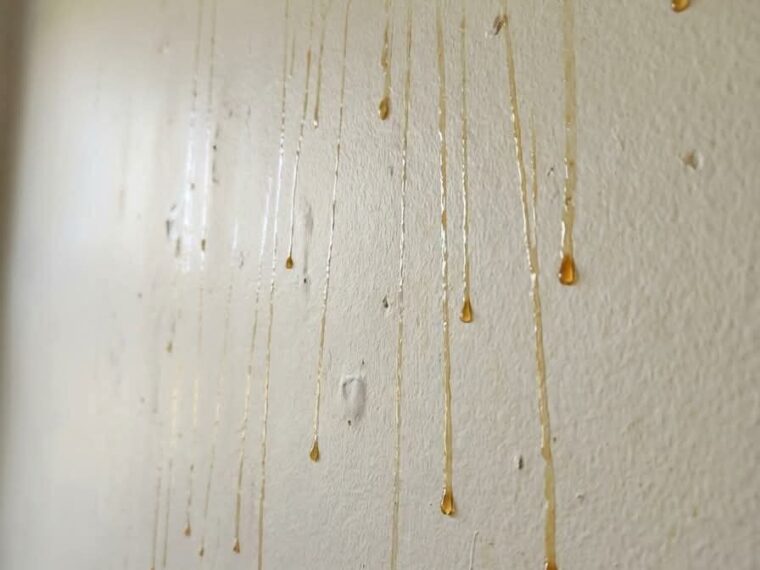
Simple Checks Anyone Can Do
Determining the cause of yellow wall drips doesn’t always require professional tools. There are a few simple checks that can help narrow it down. For example, touching the residue can provide clues—if it feels oily, it may be grease-related. If it’s sticky but not greasy, surfactant leaching could be the cause.
Another useful step is to observe where the stains are located. Are they concentrated near the kitchen, bathroom, or ceiling? Patterns like these can point to specific causes such as cooking residue or condensation. Smell can also be an indicator—nicotine stains often have a faint, stale odor.
Cleaning a small test area with a degreaser can also help. If the stain disappears completely and doesn’t return, it was likely surface buildup. If it comes back, the issue may be deeper within the paint.
When to Consider Professional Inspection
If the stains are widespread or accompanied by other issues like peeling paint or damp patches, it may be worth consulting a professional. While yellow drips are usually harmless, they can sometimes indicate underlying moisture problems that need attention.
A professional inspection can rule out more serious concerns and provide a clear plan for resolving the issue. This is especially important for landlords who want to maintain the property’s condition and avoid future complaints.
How to Remove Yellow Drips from Walls
Effective Cleaning Methods
Cleaning these stains requires more than just water. A mild degreaser or a solution designed for removing grease and residue is often the most effective option. The process should be gentle to avoid damaging the paint while still removing the buildup.
Start by testing a small, hidden area to ensure the cleaning solution does not affect the paint color. Then, clean the affected sections using a soft cloth or sponge. Avoid excessive scrubbing, as this can spread the residue or damage the surface.
After cleaning, rinse with clean water and allow the wall to dry completely. Proper drying is essential, as leftover moisture can contribute to the problem returning.
When Repainting Is Necessary
In some cases, cleaning alone is not enough. If the stains have penetrated deeply into the paint or continue to reappear, repainting may be the best solution. Using a high-quality stain-blocking primer can prevent the residue from bleeding through the new paint.
Once the primer is applied, a fresh coat of durable paint can restore the wall’s appearance. Choosing a paint designed for high-humidity environments can also help prevent future issues.
Preventing Yellow Wall Drips in the Future
Improve Ventilation
Proper ventilation is one of the most effective ways to prevent moisture-related problems. Installing or using exhaust fans in kitchens and bathrooms can significantly reduce humidity levels. Opening windows regularly can also help maintain airflow.
Control Indoor Humidity Levels
Keeping indoor humidity at a balanced level is essential. Using a dehumidifier can be helpful in areas prone to excess moisture. Monitoring humidity levels ensures that conditions remain within a range that prevents condensation.
Choose High-Quality Paint Products
Not all paints perform the same under challenging conditions. Investing in high-quality, moisture-resistant paint can reduce the likelihood of surfactant leaching and other issues. This is particularly important in areas exposed to frequent humidity.
Regular Maintenance and Cleaning
Routine cleaning helps prevent buildup from cooking oils and airborne particles. Wiping down walls occasionally, especially in kitchens, can stop residue from accumulating over time.
Conclusion
Yellow drips on walls may seem like a mysterious and worrying problem at first, but they are usually caused by everyday factors such as humidity, paint composition, or airborne particles. While the stains can be stubborn and unsightly, they are rarely a sign of serious damage. By understanding the underlying causes and applying the right cleaning and prevention strategies, homeowners and landlords can effectively manage and eliminate the issue. With proper care and maintenance, walls can remain clean, fresh, and free from these unexpected streaks.
FAQs
1. Are yellow drips on walls dangerous?
No, they are generally not harmful. They are usually caused by paint additives, grease, or humidity rather than toxic substances.
2. Can these stains appear even if no one smoked inside?
Yes, surfactant leaching and cooking residue are common causes even in smoke-free homes.
3. Why do the stains come back after cleaning?
If the root cause, such as humidity or paint issues, is not addressed, the residue can reappear.
4. Is repainting always required?
Not always, but it is often the most effective long-term solution when stains persist.
5. How can landlords prevent this issue in rental properties?
Maintaining good ventilation, using quality paint, and performing regular inspections can help prevent yellow wall drips.