
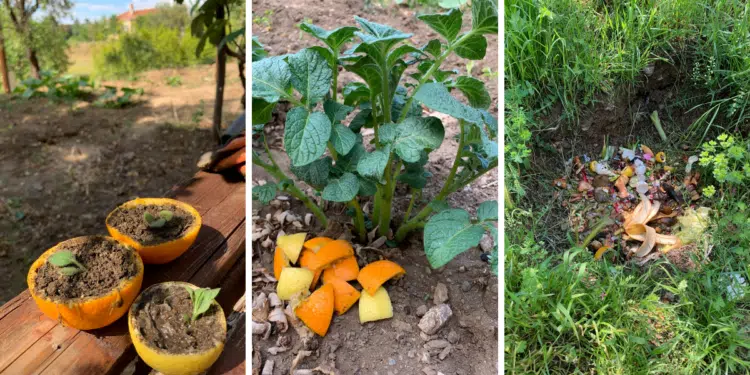
🍊 15 Most Useful Citrus Peel Uses in the Garden
Most people toss orange, lemon, lime, and grapefruit peels straight into the trash without realizing they can be incredibly useful in the garden. Citrus peels are packed with natural oils, nutrients, and strong scents that can help with composting, pest control, soil improvement, and even seed starting.
Instead of throwing them away, you can turn kitchen scraps into something practical, natural, and eco-friendly for your plants.
Here are 15 smart ways to use citrus peels in your garden.
🌱 1. Add Them to Compost
Citrus peels break down over time and add organic matter to compost.
Why it helps:
- Adds nutrients back into the soil
- Supports healthy compost balance
- Reduces kitchen waste
Tip:
Cut peels into smaller pieces so they decompose faster.
🐜 2. Help Deter Ants
The strong scent of citrus oils can interfere with ant trails.
How to use:
- Scatter small peel pieces near ant-prone areas
- Or blend peels with water and pour around entry points
🐌 3. Discourage Slugs and Snails
Some gardeners use citrus peels as a natural barrier around vulnerable plants.
How to use:
Place strips of peel around seedlings or leafy vegetables.
🌿 4. Make a Natural Garden Spray
Citrus-infused water can be used as a gentle homemade garden spray.
Simple recipe:
- Boil citrus peels in water
- Let cool and strain
- Pour into a spray bottle
Useful for freshening plant areas and discouraging some insects.
🌼 5. Feed Worm Bins Carefully
Small amounts of citrus peels can be added to vermicompost systems.
Important:
Use only moderate amounts because too much acidity may disturb worms.
🌱 6. Start Seeds in Orange Halves
Empty citrus halves make biodegradable mini seed pots.
How:
- Scoop out the fruit
- Fill the peel with soil
- Plant seeds inside
Once seedlings grow, the whole peel can go into the soil.
🐱 7. Keep Cats Away From Garden Beds
Many cats dislike the smell of citrus.
How to use:
Scatter peels around flower beds or digging areas.
🌸 8. Freshen Garden Spaces Naturally
Citrus peels release pleasant oils as they dry.
Place them:
- Around patios
- Near outdoor seating
- In container gardens
🍅 9. Improve Soil Organically
As citrus peels decompose, they contribute small amounts of nutrients and organic matter.
Healthy organic matter helps:
- Soil structure
- Moisture retention
- Microbial activity
🐛 10. Help Repel Some Pests
The natural oils in citrus peels may discourage:
- Aphids
- Mosquitoes
- Some flies
Results vary, but many gardeners use them as part of natural pest management.
🌿 11. Dry Them for Mulch Additions
Dried peels can be crushed and lightly mixed into mulch.
Benefits:
- Adds texture
- Releases citrus scent slowly
- Recycles waste naturally
🍋 12. Make DIY Potpourri for Outdoor Areas
Mix dried citrus peels with herbs like rosemary or mint for a natural outdoor aroma blend.
🪴 13. Use in Container Plants
Small chopped peel pieces can be buried lightly in large containers where they slowly break down over time.
Avoid using excessive amounts in small pots.
🐜 14. Create Citrus Vinegar Cleaner for Garden Tools
Soak peels in vinegar for a few weeks to create a natural cleaner for:
- Pots
- Garden tools
- Outdoor surfaces
🌍 15. Reduce Household Waste
One of the biggest benefits is simply using more of what you already have.
Repurposing citrus peels:
- Cuts down food waste
- Saves money
- Supports sustainable gardening habits
⚠️ A Few Things to Keep in Mind
While citrus peels are useful, moderation matters.
Avoid:
- Dumping huge amounts directly into soil
- Using moldy peels
- Overloading worm bins with acidic scraps
Balance is key in any healthy garden ecosystem.
🌟 Final Thoughts
Citrus peels are far more valuable than they seem. From compost and seed starters to natural pest control and soil support, these kitchen scraps can become powerful little tools in the garden.
The next time you peel an orange or squeeze a lemon, think twice before throwing the peel away. Your garden might actually thank you for it. 🍊🌿